Japan is slightly different
110 volts
read from right to left and from back to front
the cover on the right-hand side
mirrors are hanging too low
duvets are just too short
magnets on curtain runners
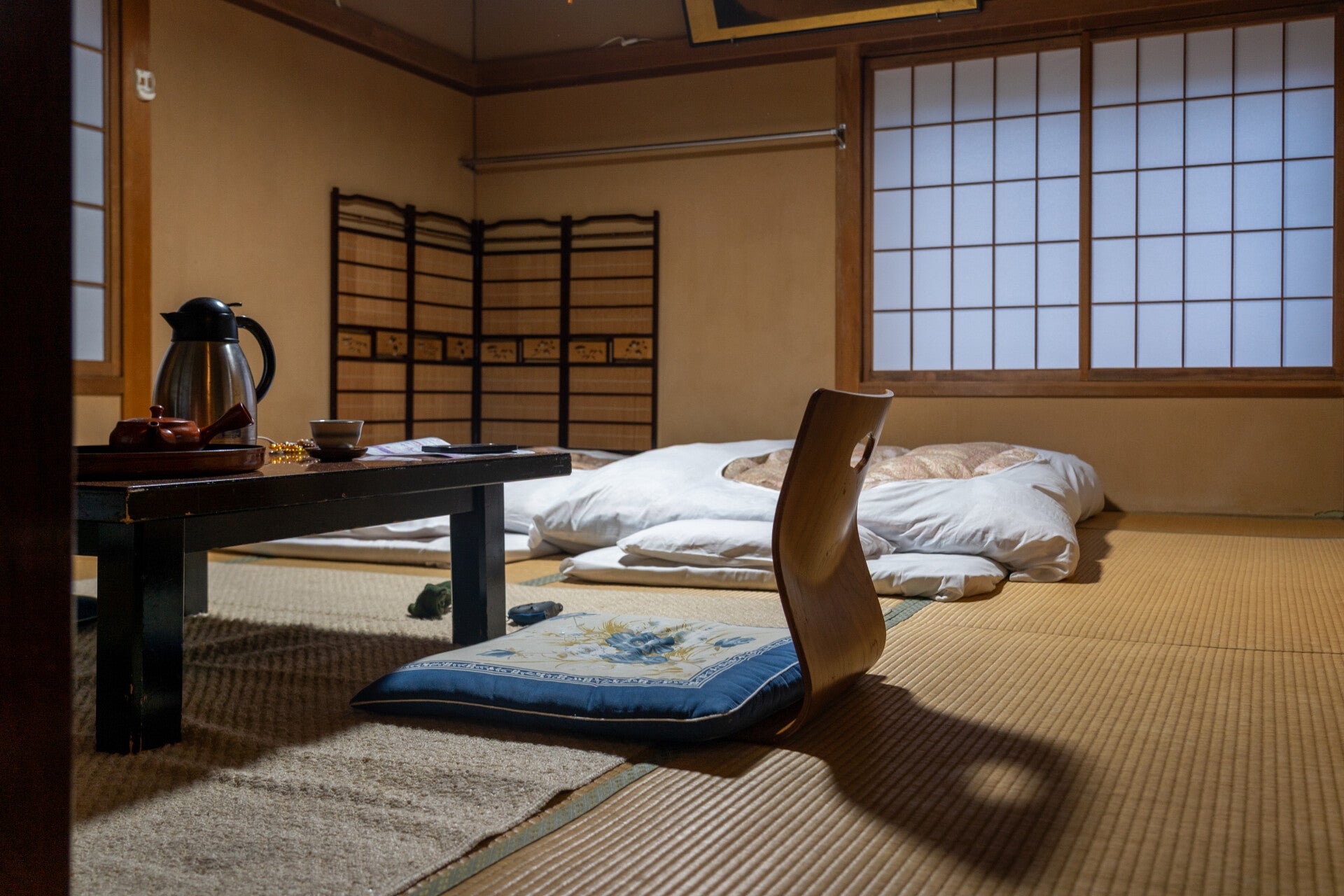
cup with dents instead of a handle
chair with handle in backrest
locks and taps are different
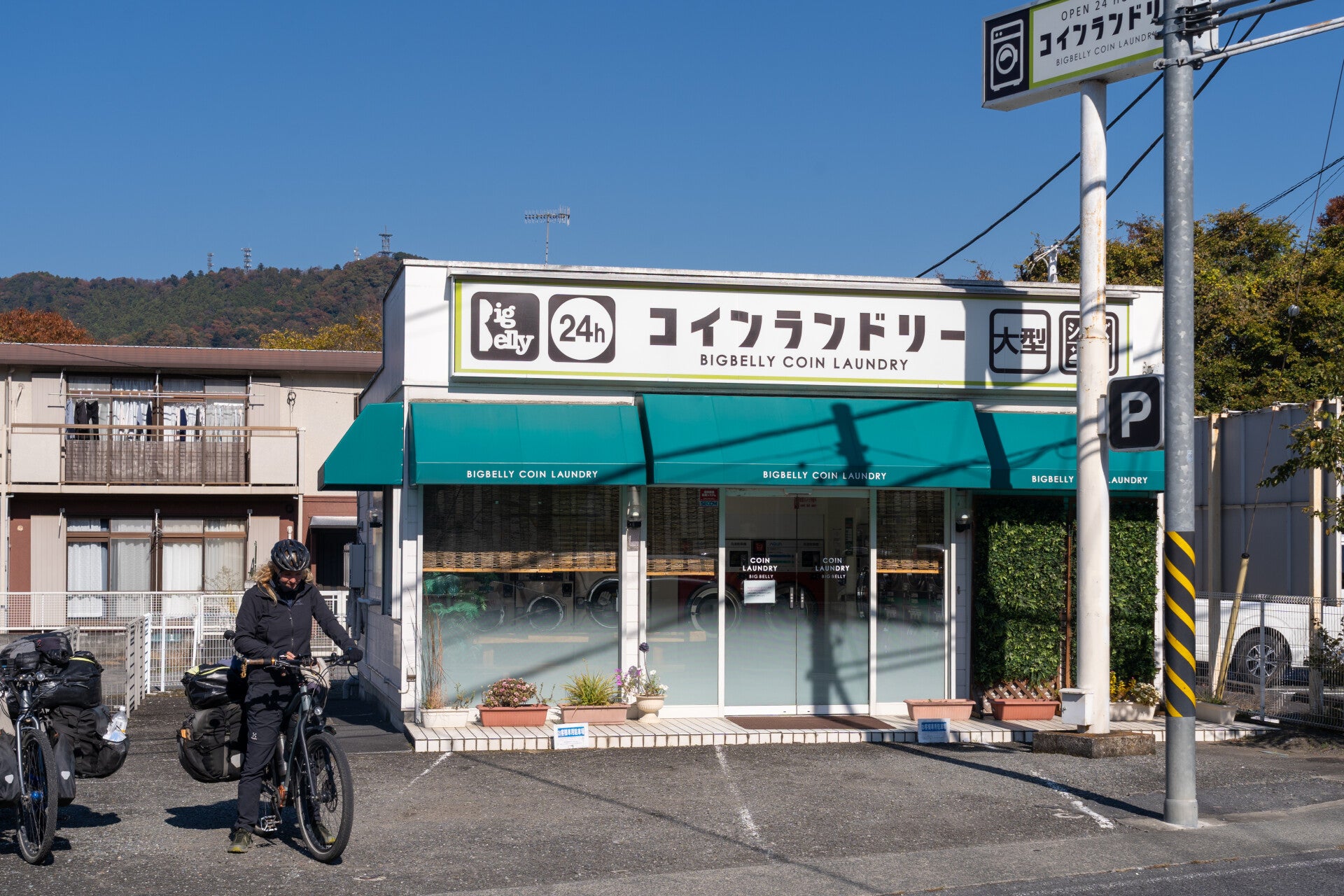
laundry hangs on poles instead of lines
heated toilet seats even in public toilets
toilet with tap above it for washing hands
sink with recessed mesh to catch debris
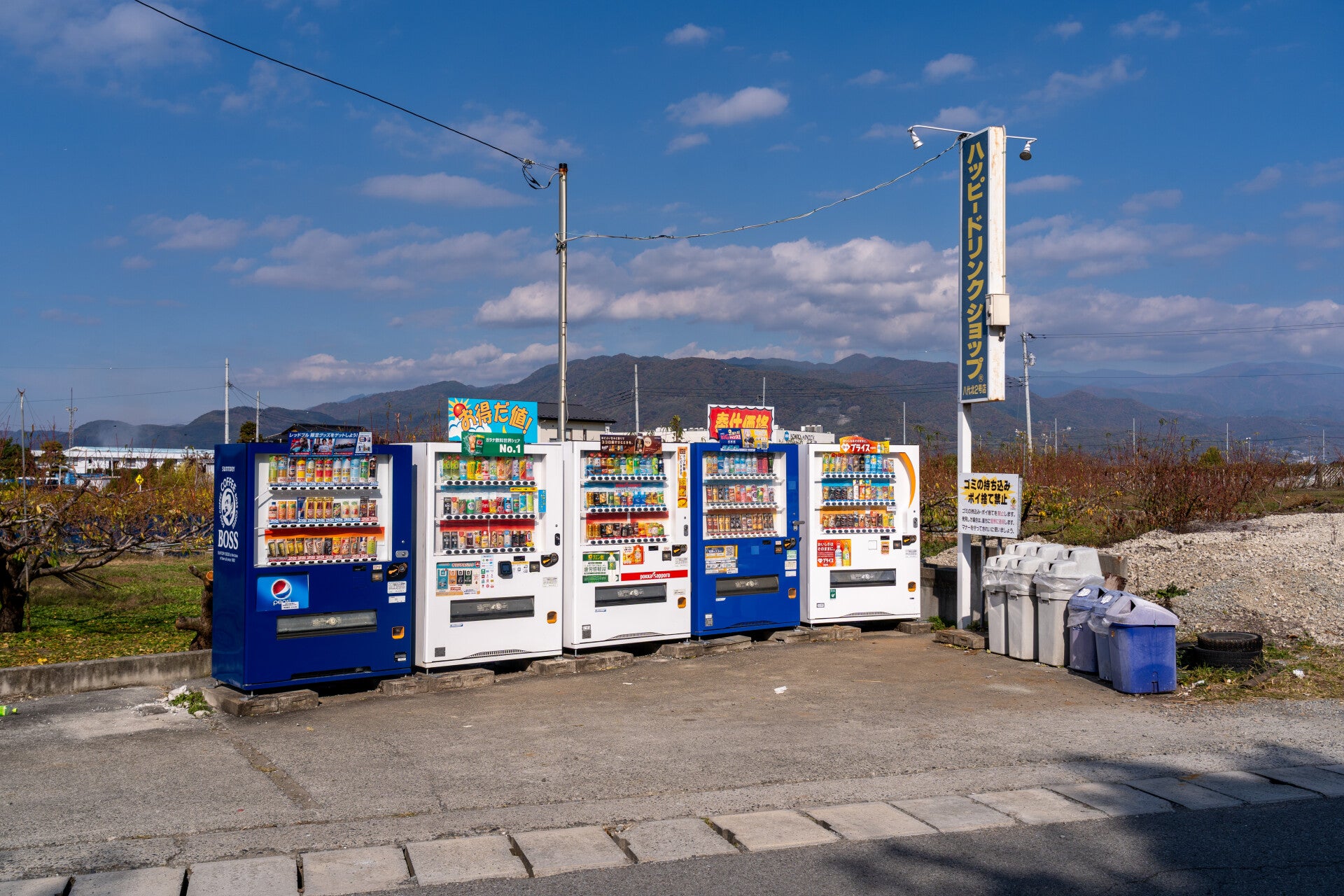
a vending machine for soft drinks every 500 metres
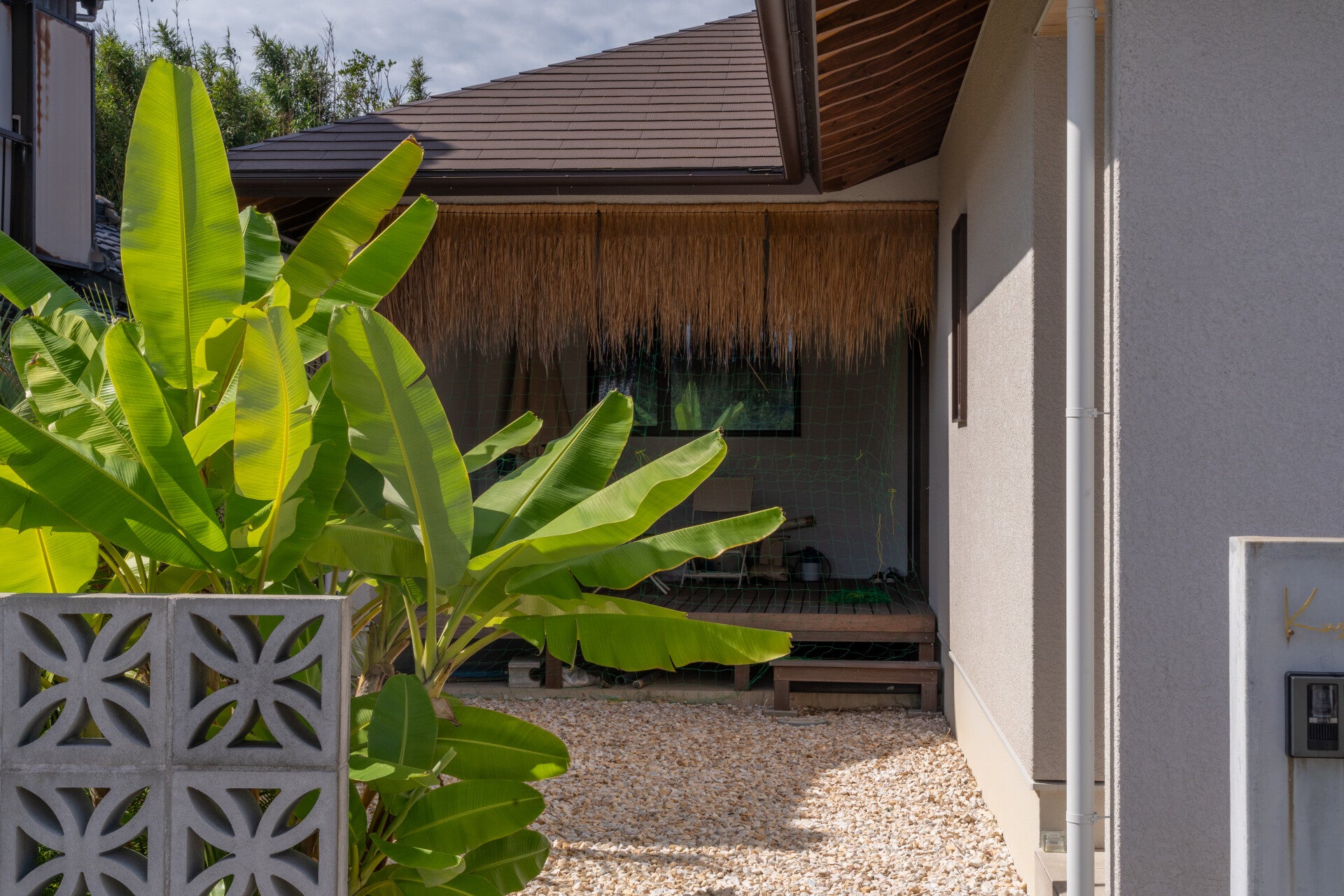
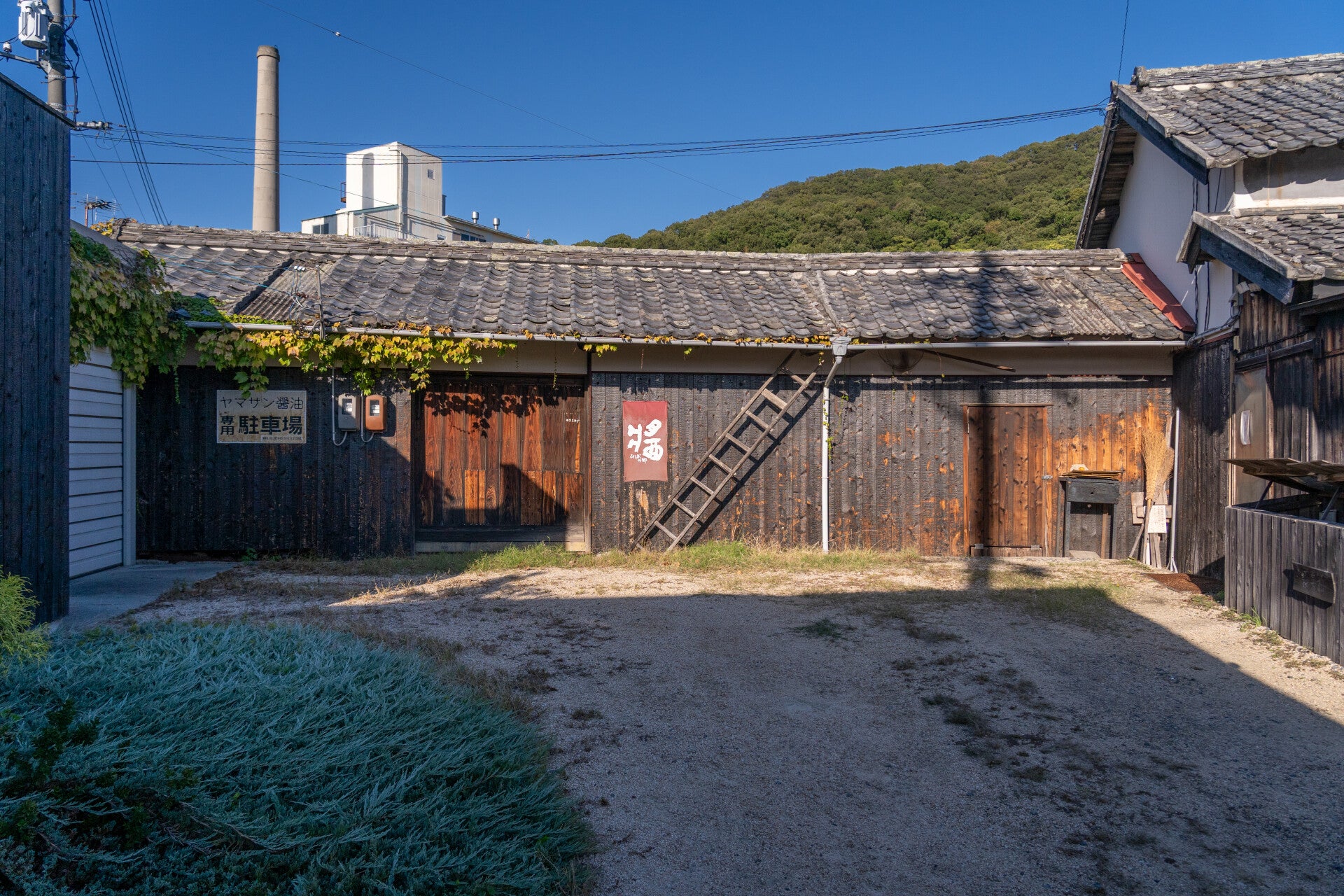
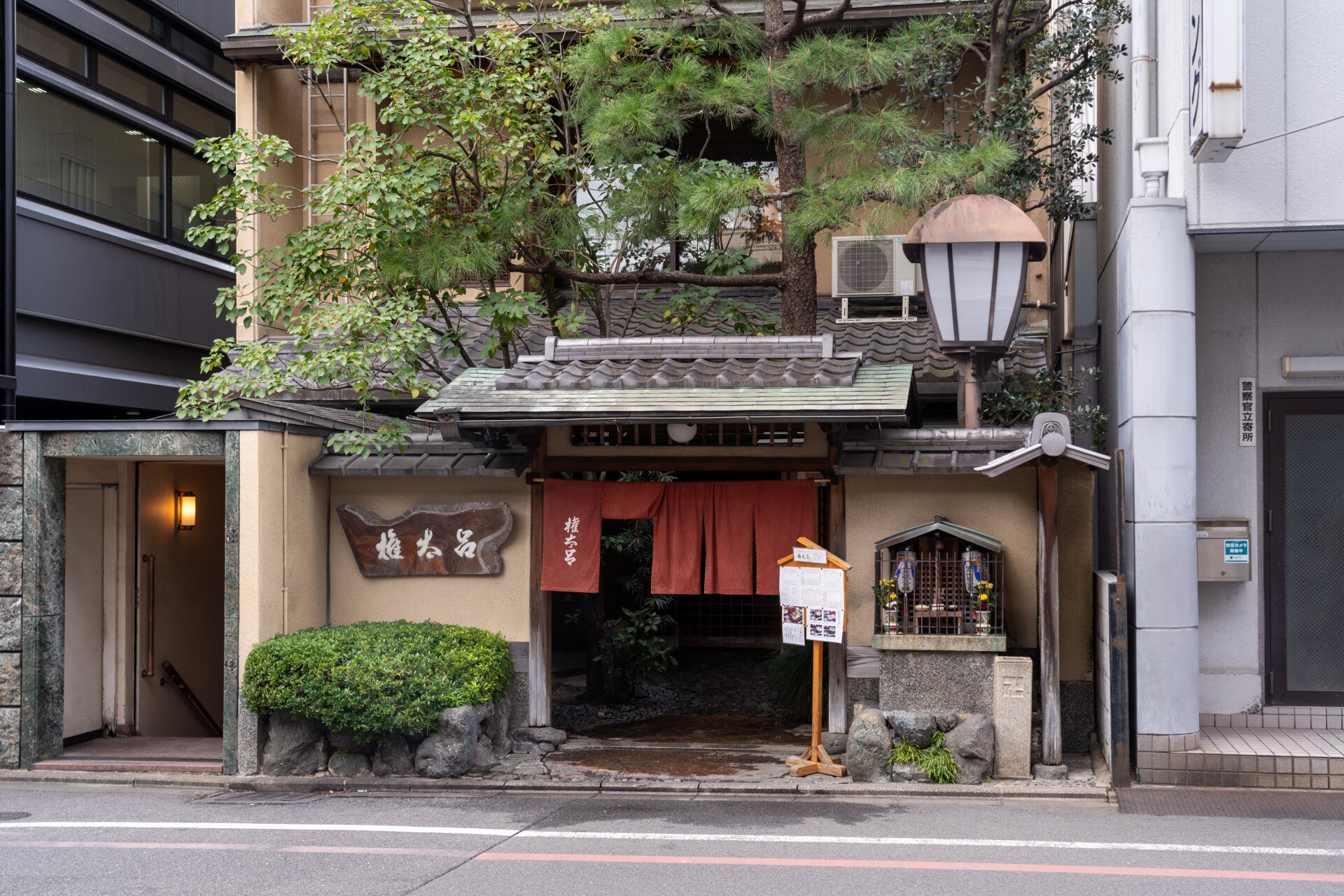
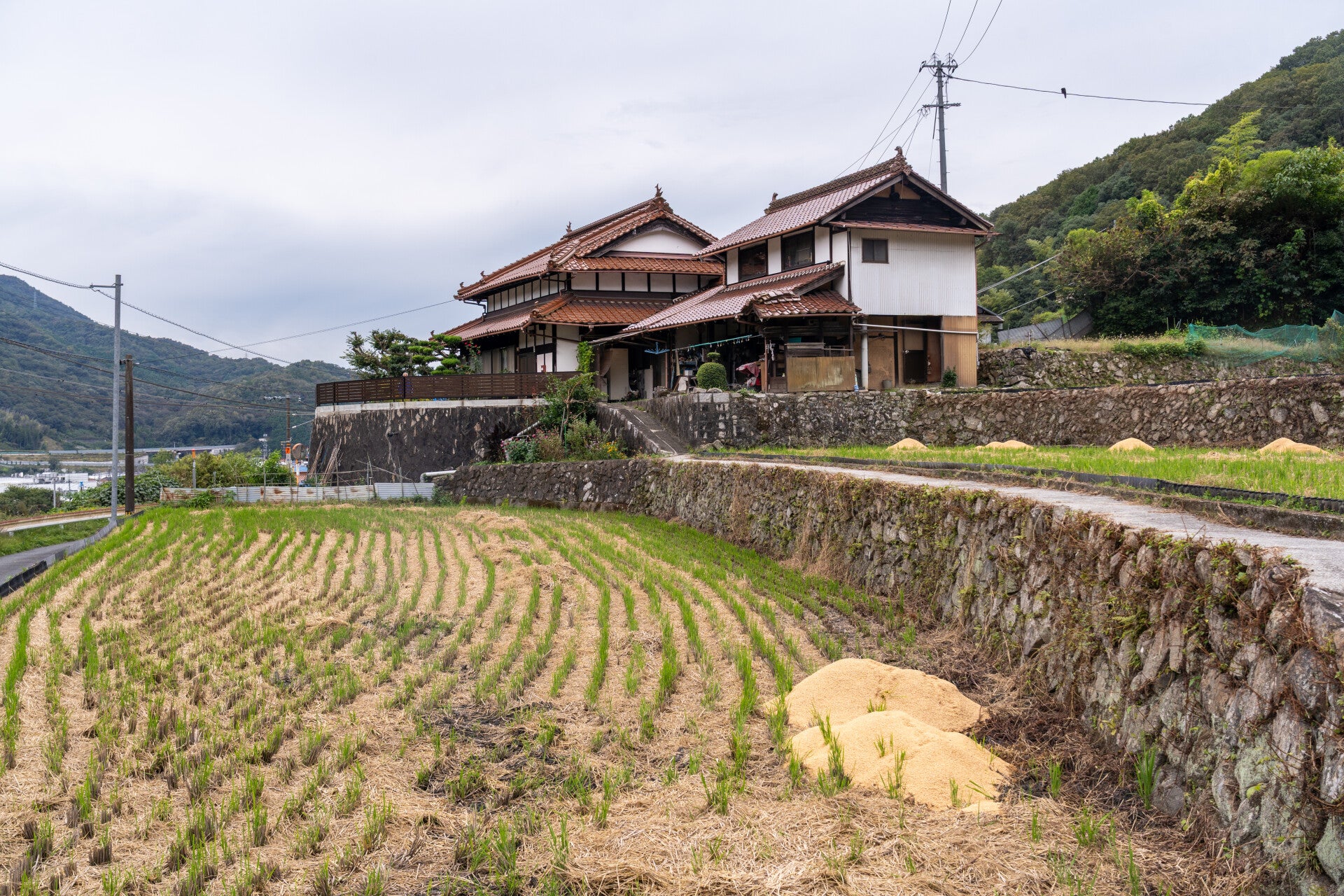
houses with typical Japanese roofs
facades of burnt wood
sliding doors with ingenious bearings
rice paper panels
mountains are being excavated to reclaim land
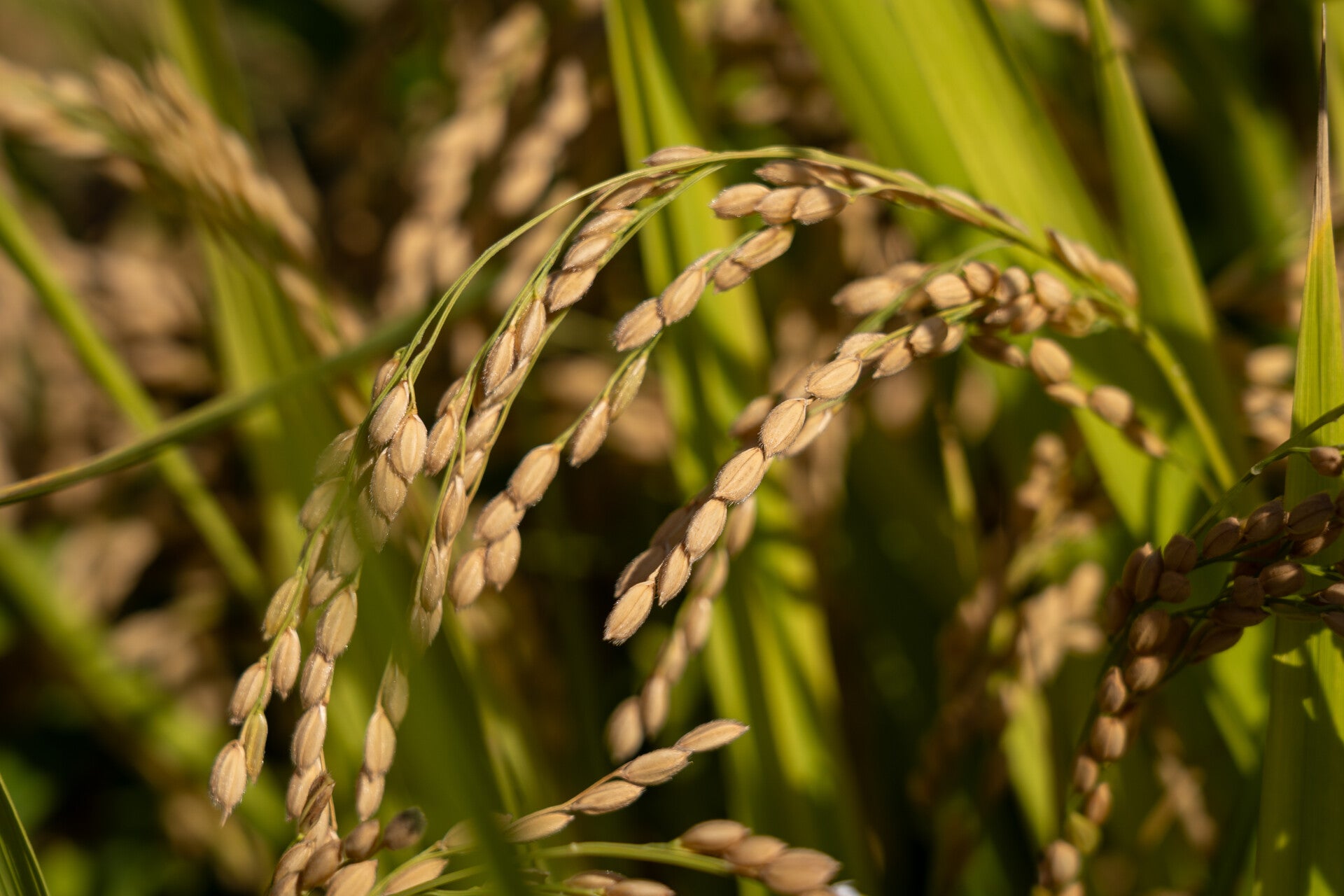
smog from rice burning
no litter on the street
dogs wearing coats and socks
pet shops with a wide range of products
you hold a plastic bag under the dog
to catch the poo
no singing birds in the morning
but crows
huge white and goldfish
turtles
large butterflies
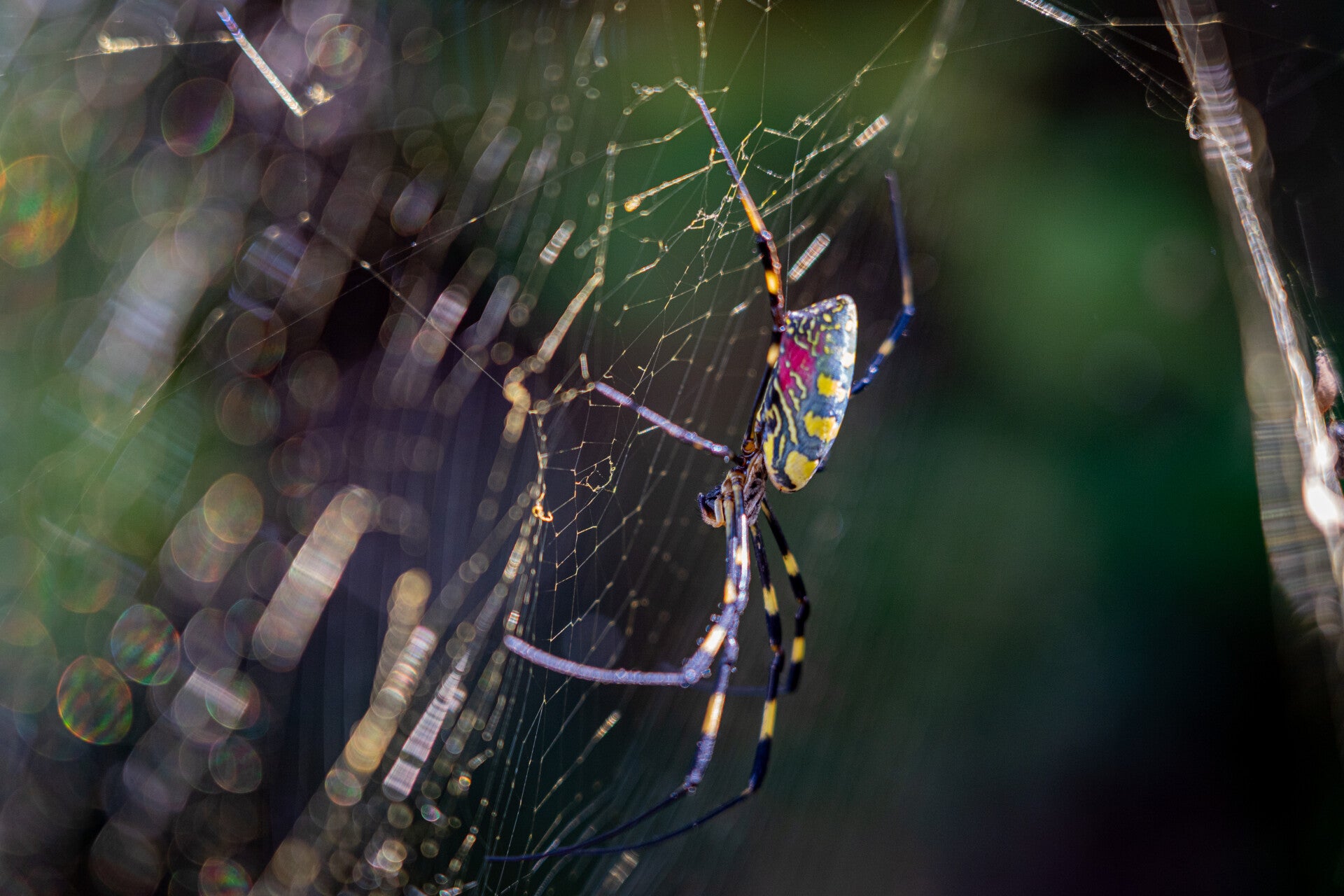
spiders
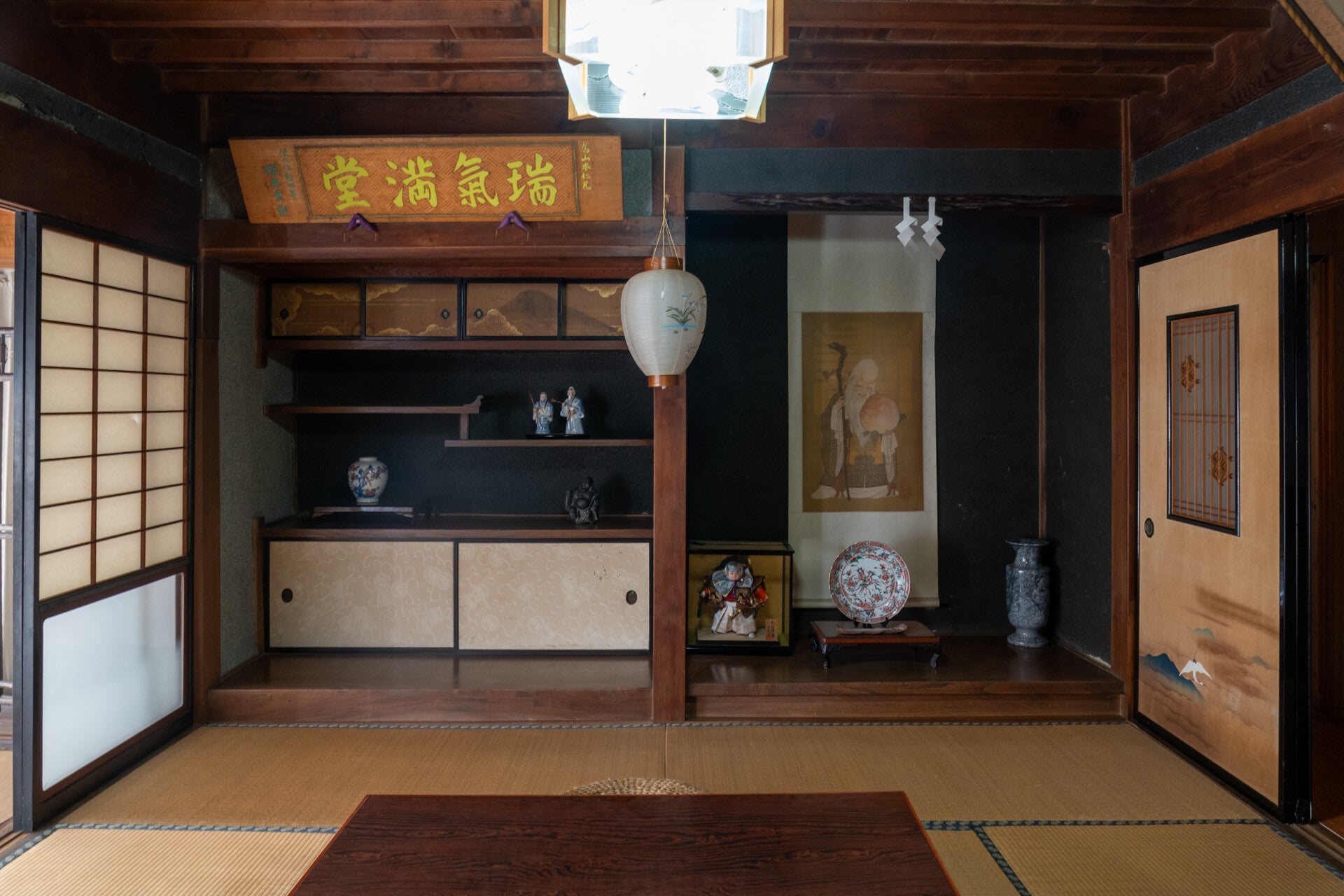











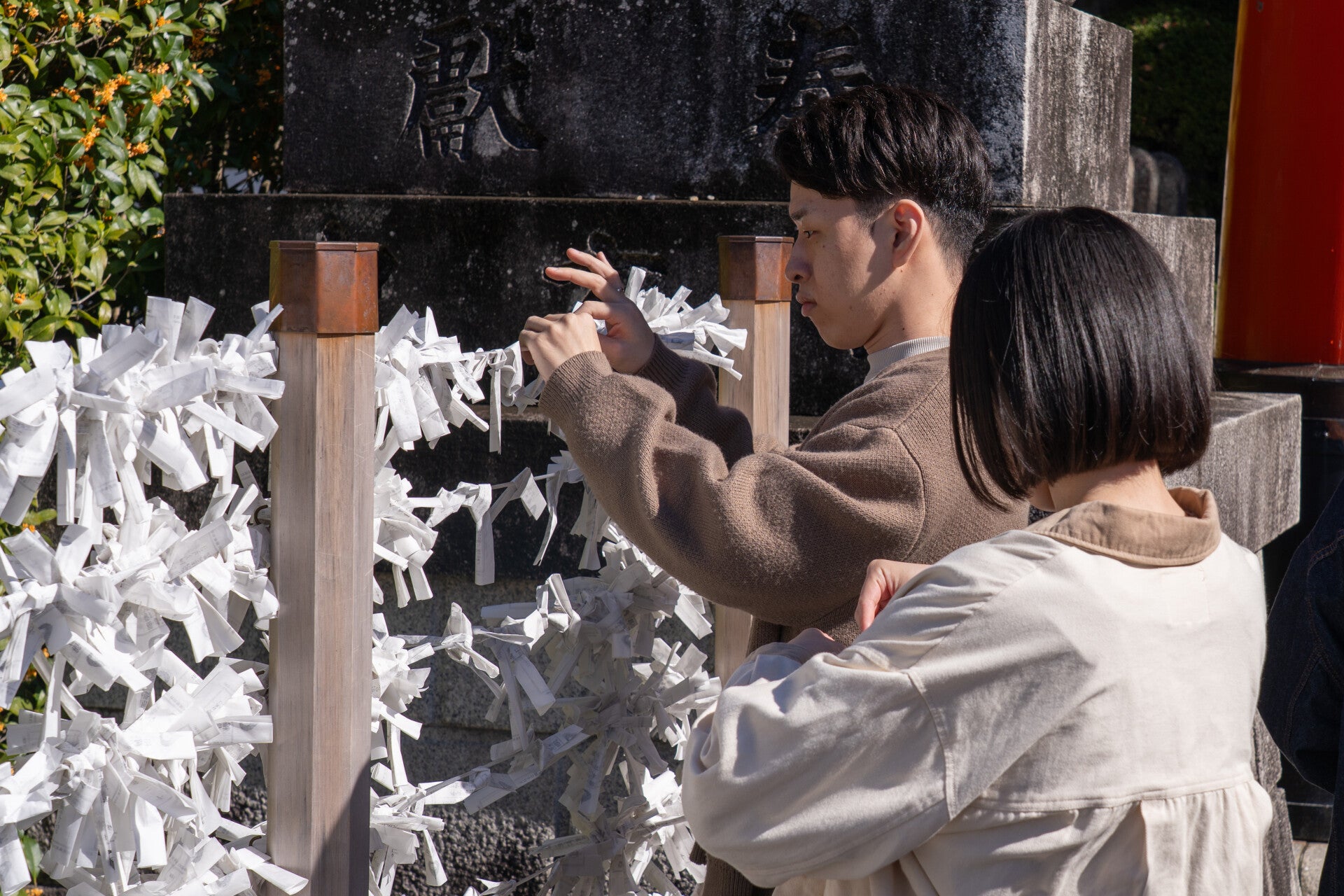
the Japanese religion
Shintoism in life, Buddhism by death
the 1000 Torii gates
the fox, the messenger
sumo wrestling, baseball and golf
digital check-in at hotels
Google Maps shows the floors of buildings
and is extremely accurate in public transport
what time, which line, and from which platform
the weather app indicates how long it will take to stop raining
stand on the left on the escalator.
so that you can be overtaken on the right
a special escalator for bicycles
in busy areas, arrows on the floor indicate where you should walk
many pedestrian tunnels under waterways
drive on the left
courteous in traffic
half of them drive ugly little cars with yellow number plates
maximum 660cc and limited in size
tax benefits and free parking
wearing white gloves and a face mask behind the wheel
reverse parking
it is busy on the narrow roads
highways cross each other at different levels
we have to show our ID when we want to buy petrol for our burner
we have to cycle on the pedestrian walkway
a traffic light every 200 metres
so tiring
not a pretty promenade but industry along the coast
cycling in urban areas is less romantic than we expected
relatively large number of elderly people
who voluntarily maintain public gardens for a modest fee
all slim
black clothing
every 7Eleven has an ATM and a toilet
money is not given to the cashier but inserted into the payment machine that gives change
tipping is inappropriate
in the shopping mall, we feel like we've stepped into the future
the refined fabrics of the clothing
the latest fashion
sweets in all shapes and sizes
restaurants also have a vending machine
where you enter and pay for your order
you give the receipt to the chef
who prepares your order
umami flavours in ramen broth
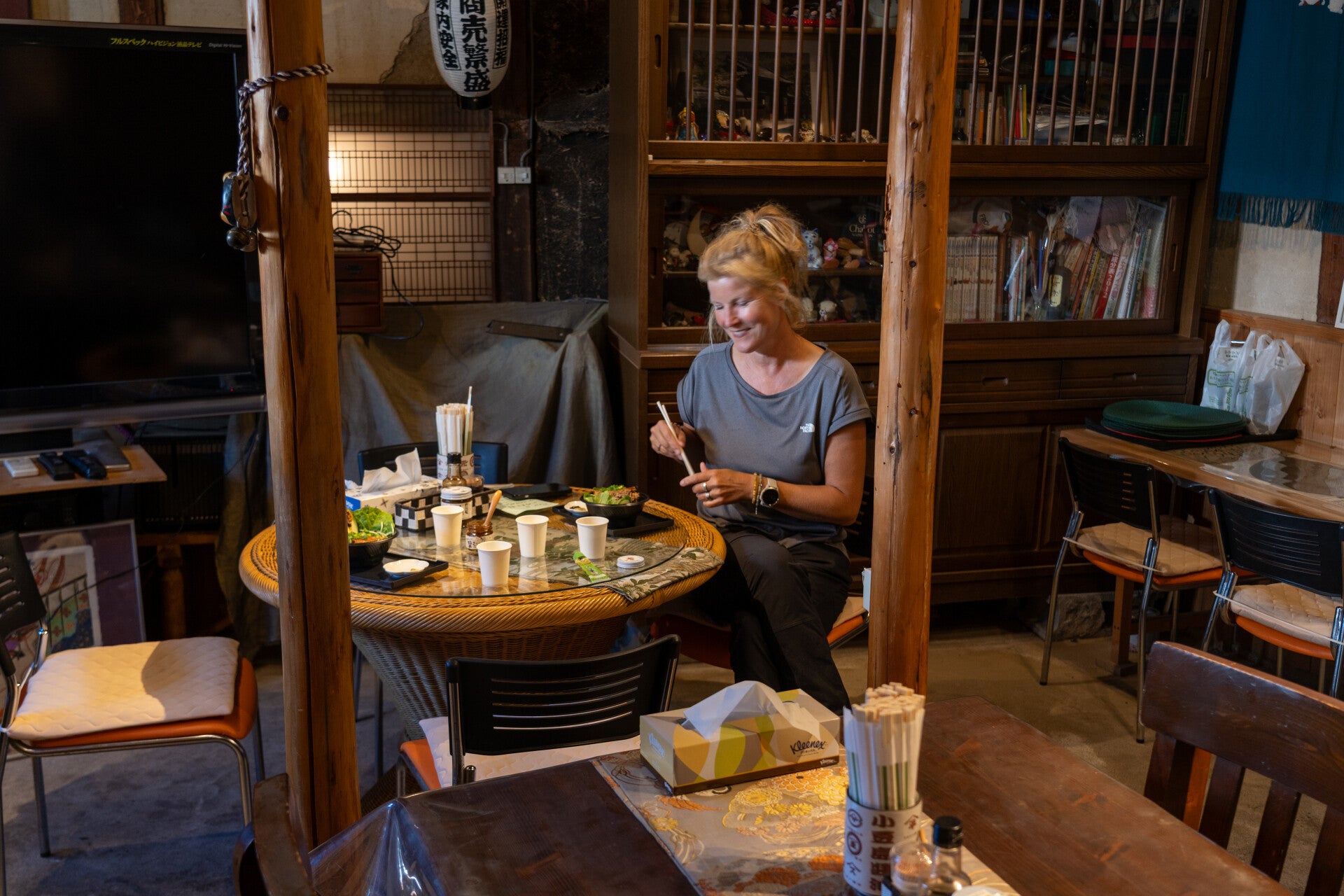
eating with chopsticks
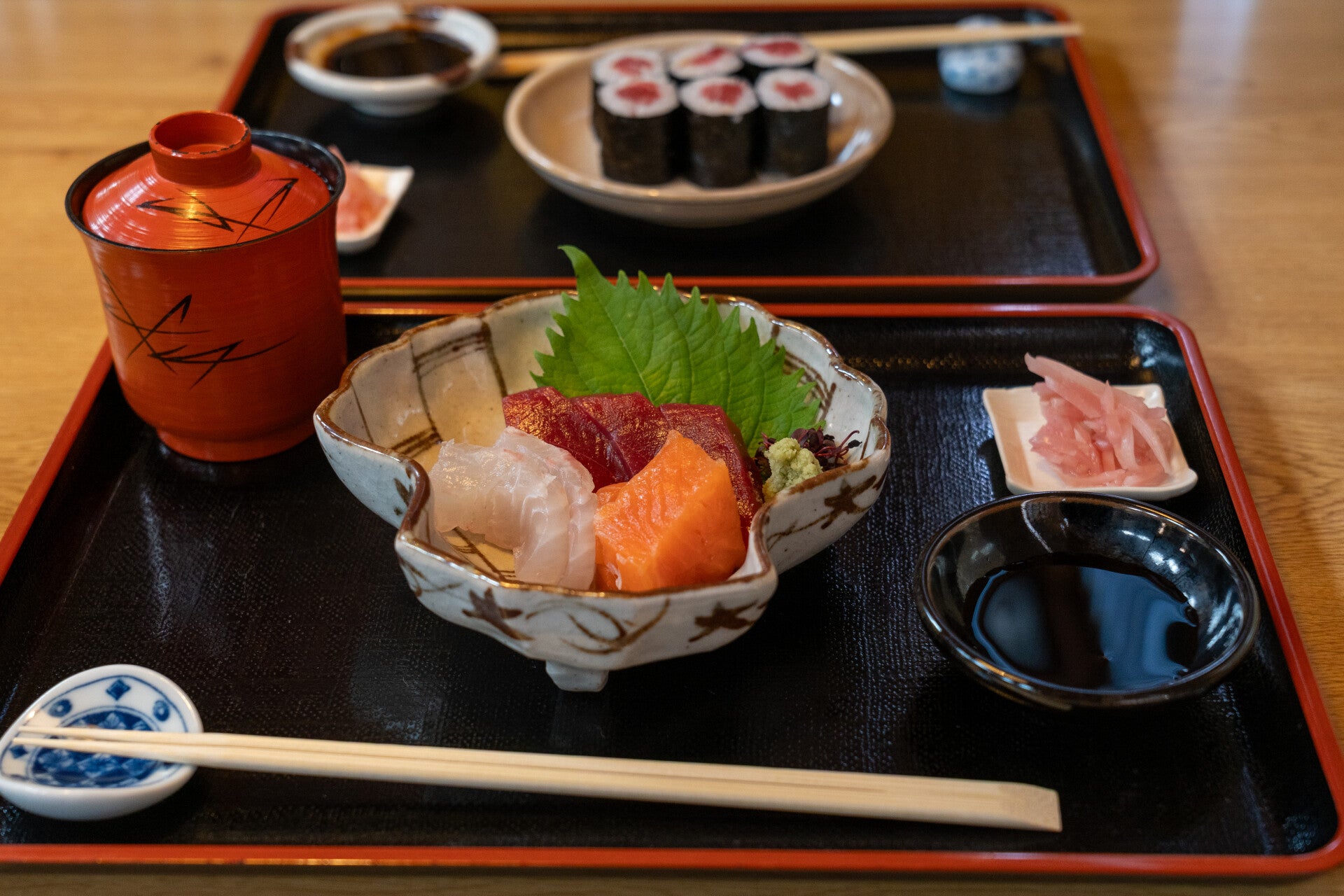
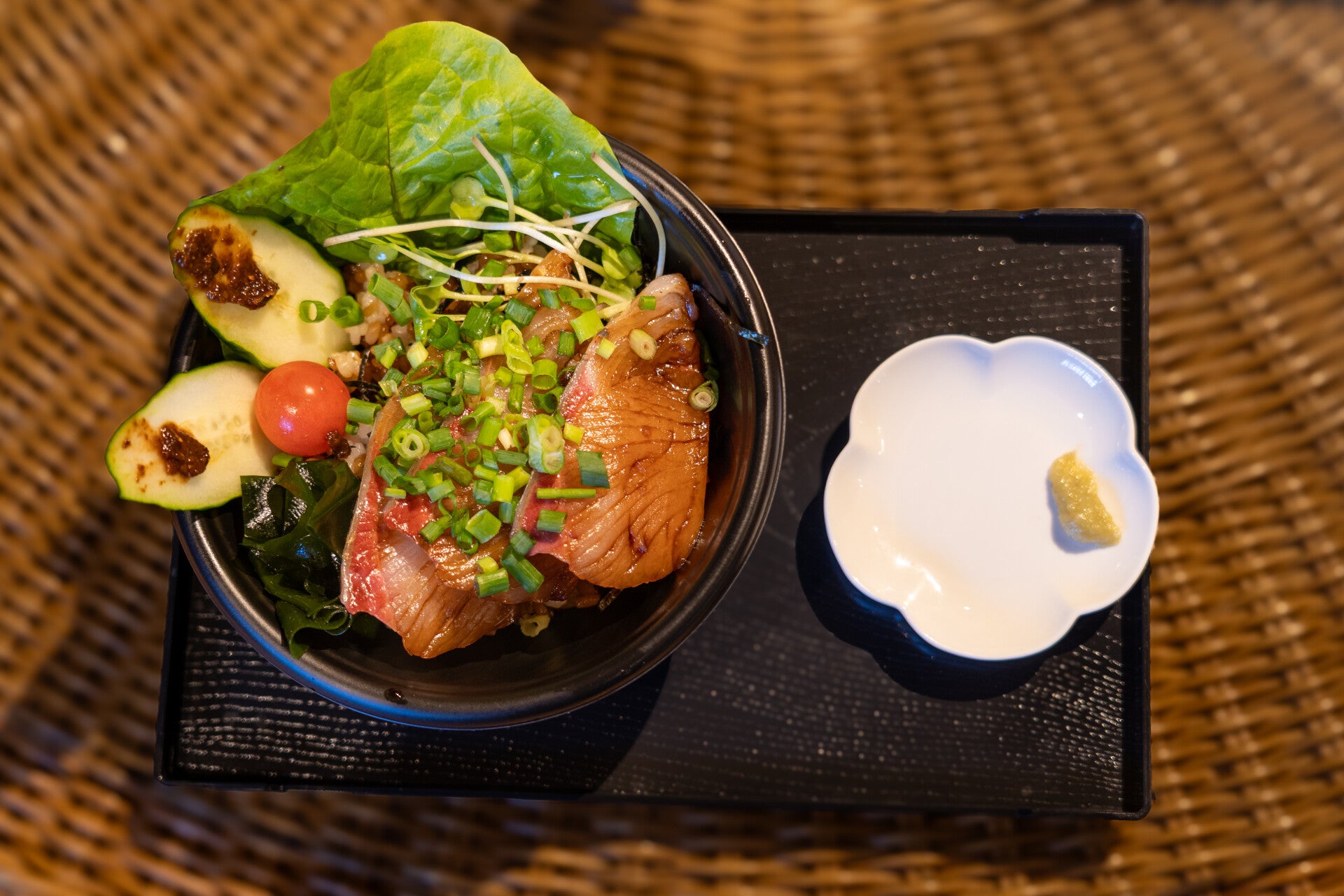
raw fish
ingredients with a sticky texture
raw egg mixed with soy sauce stirred into the rice
a cup of orange juice in jelly form
food is a delight












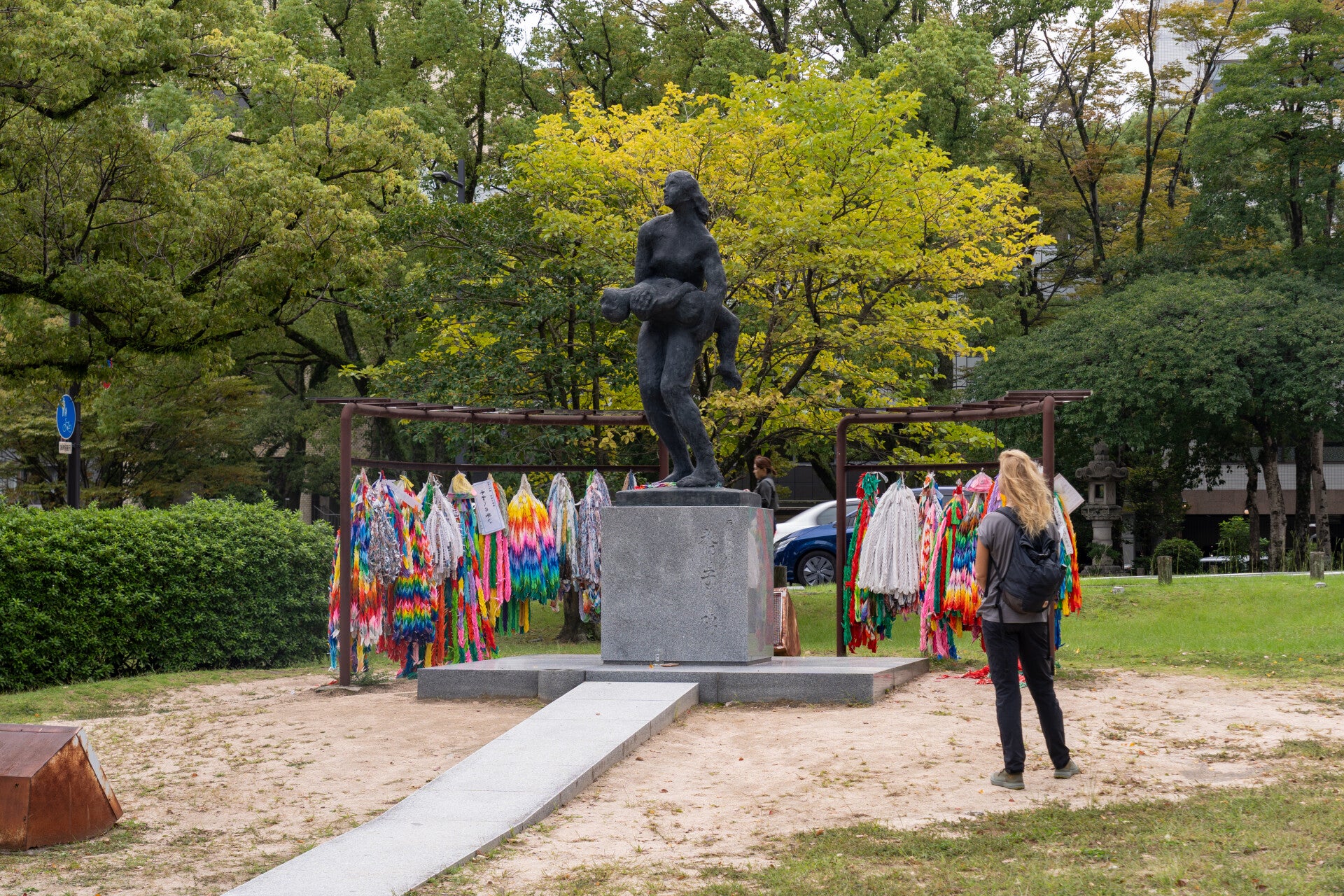
Hiroshima
impressive
no words to describe it
Kyoto
bamboo forest
the golden temple, the most beautiful of them all
tea ceremony with a maiko
Japanese Alps
it is dead quiet on the train
to the snow monkeys
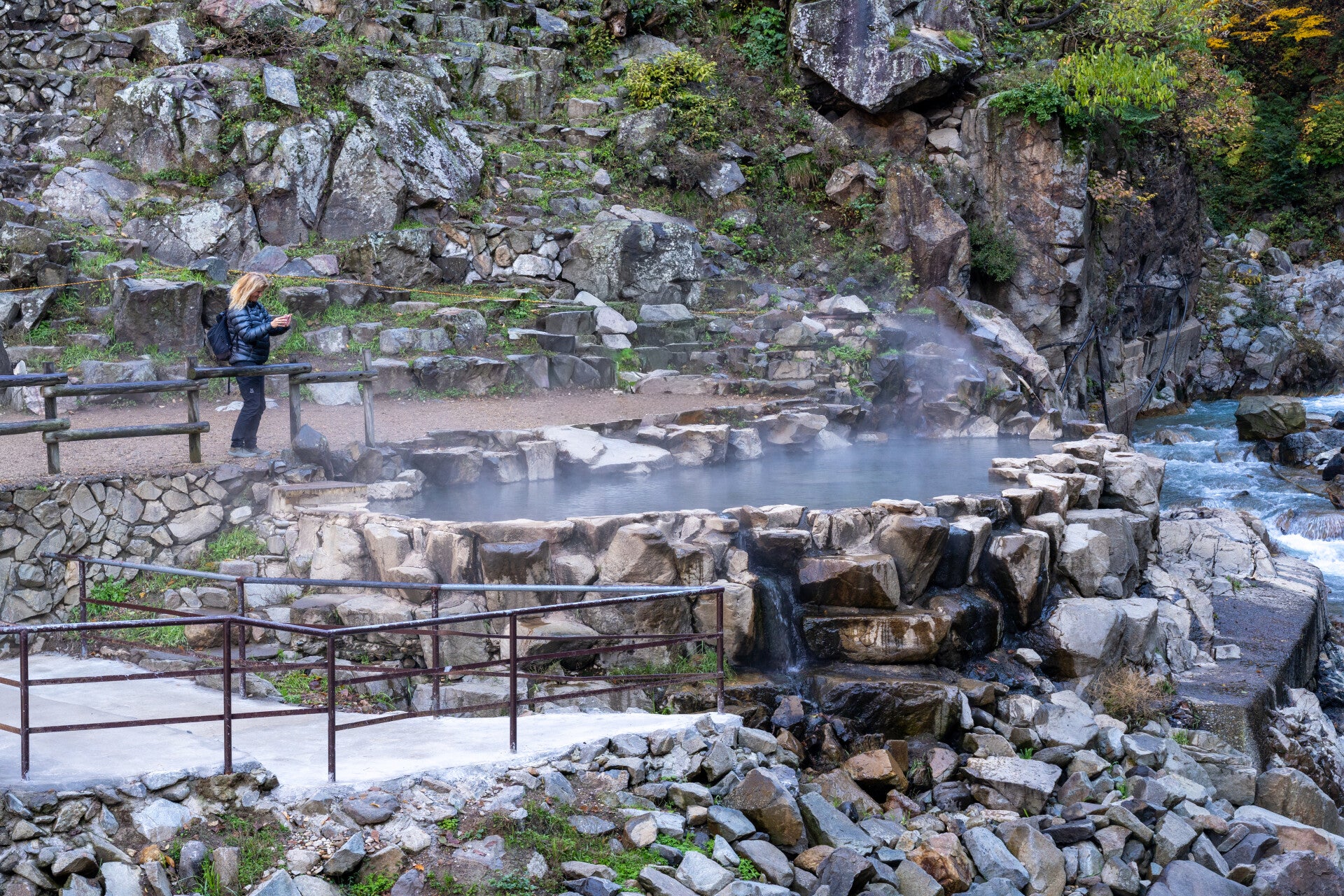
when sitting next to a Japanese person in an onsen, you do not bother him
the kimono should be closed left over right
the opposite is for deceased persons
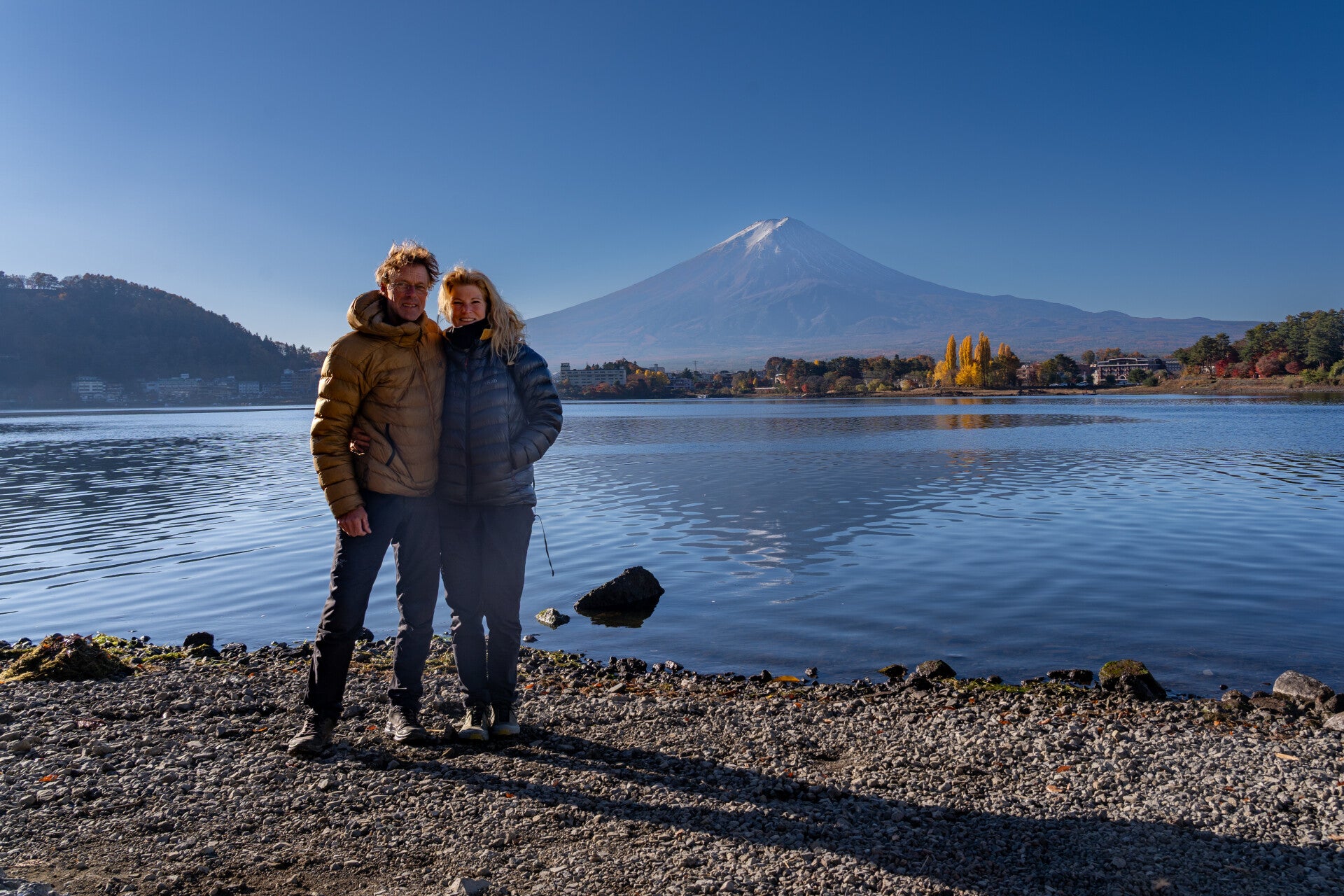
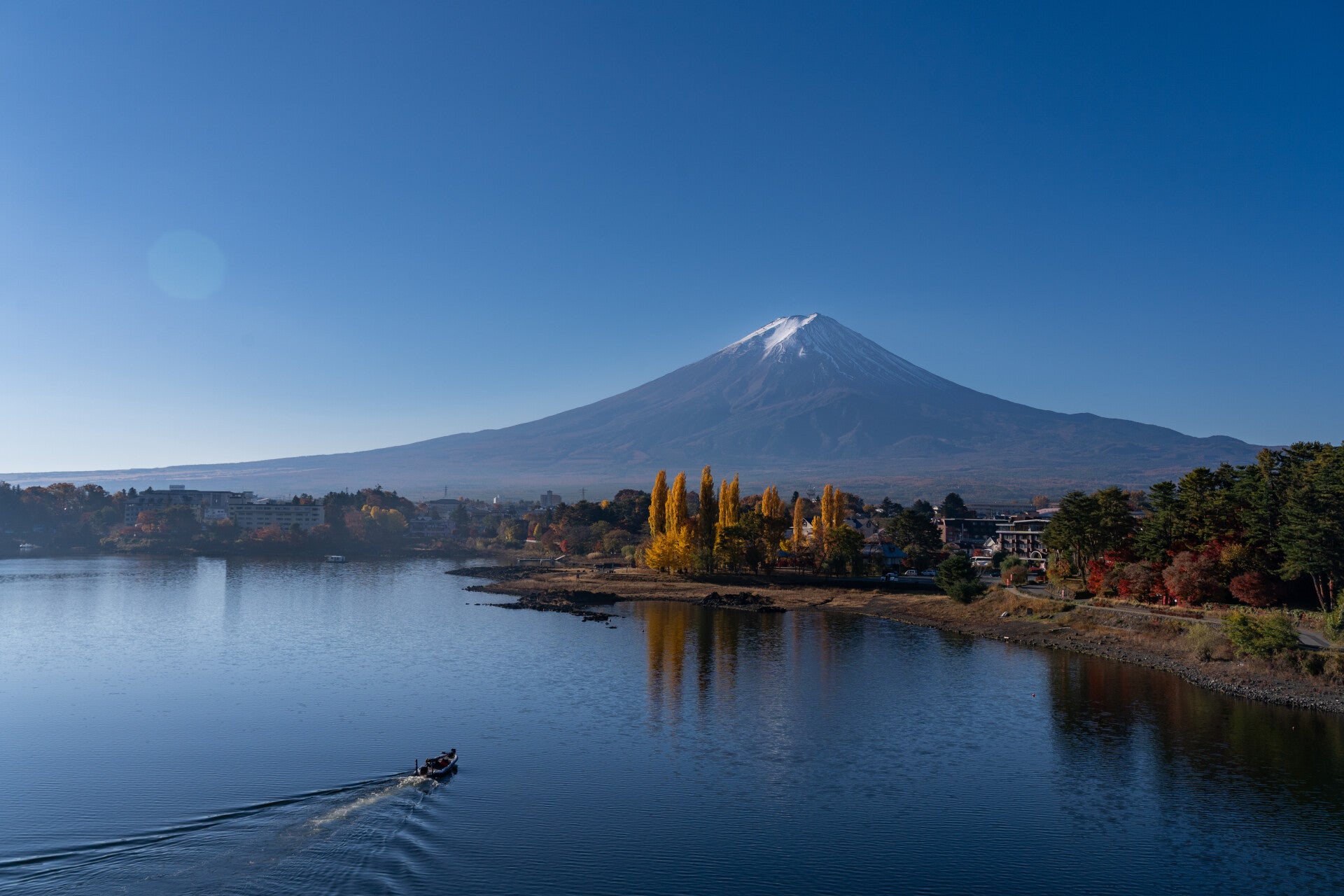
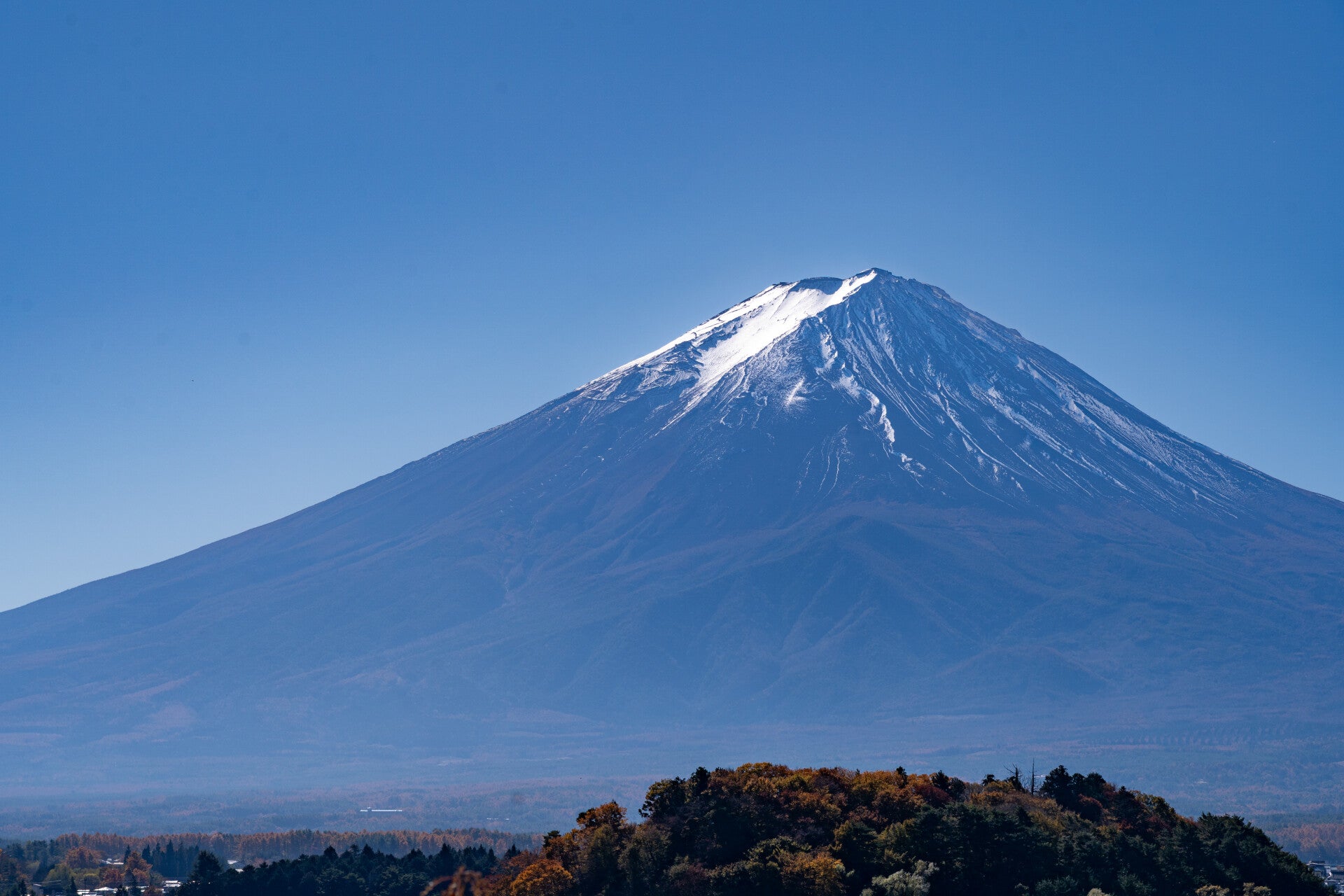
Mount Fuji
enchanting
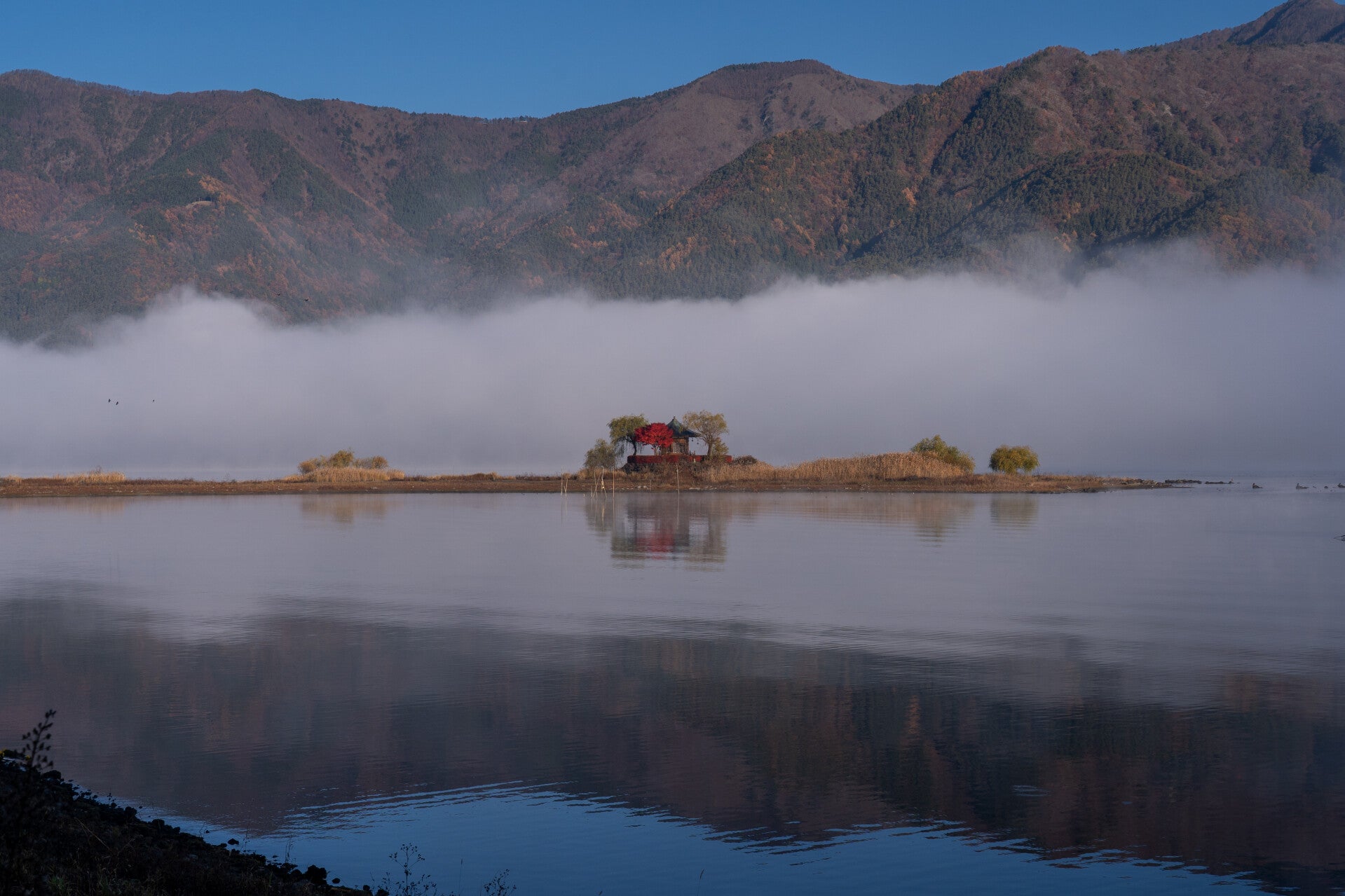
it's autumn
a cold front and in two days
nature has changed from bright green to deep red
fascinating
bears and volcanoes
terrifying
Tokyo
the Japanese laugh loudly and bow deeply
but they do not open up to you
we missed connecting to people
they are disciplined and conscientious
as an outlet
having dinner with the boss and drinking a lot
then it is permissible to say what is normally unmentionable
the next day everything is forgiven and forgotten
a Pokémon card for € 900
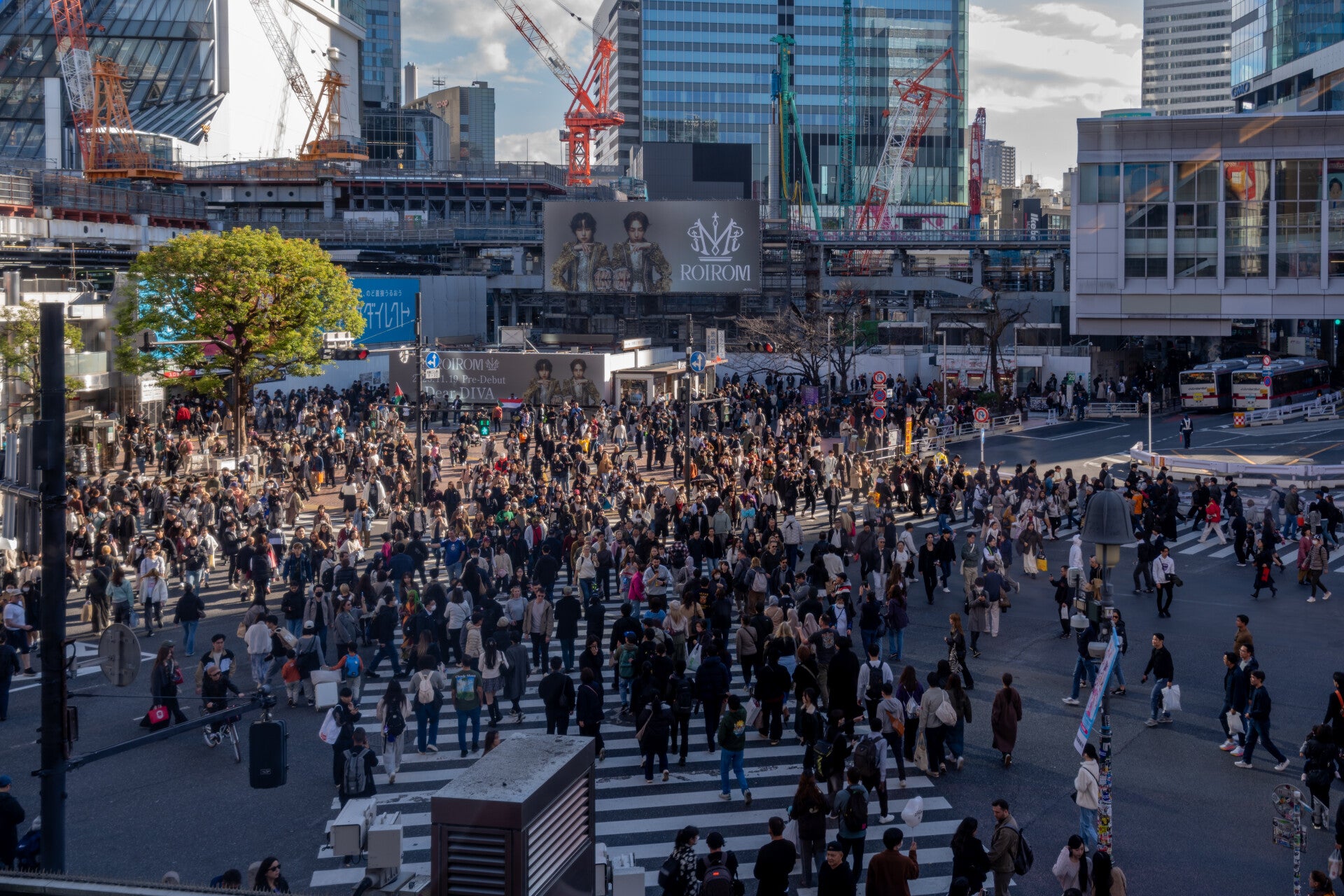
Shibuya Crossing
mario kart
dolls hanging from bags
heavy make-up line under the eyes
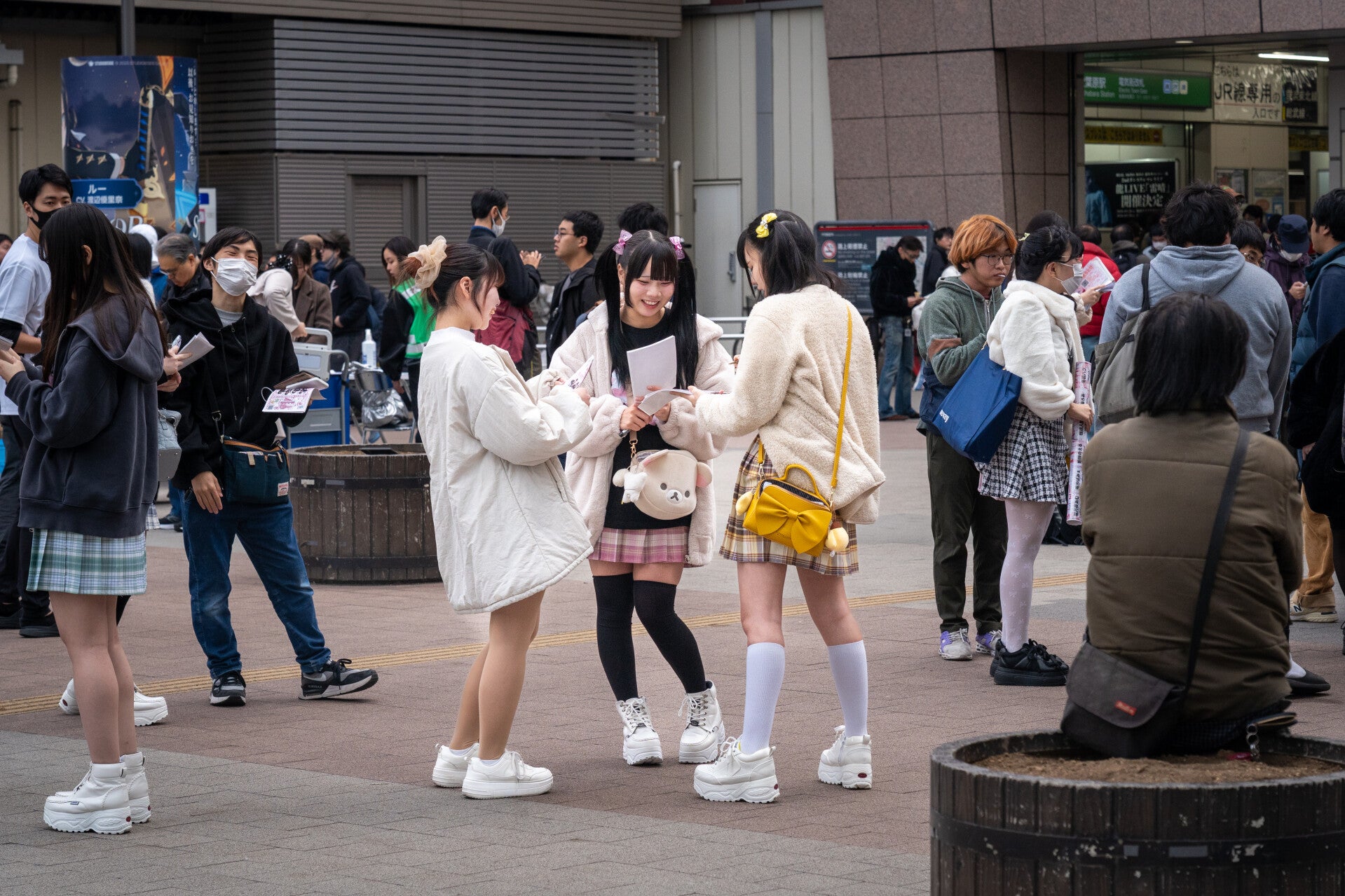
maid cafés served by girls in fancy dresses
your name is sprayed with ketchup on your pancake
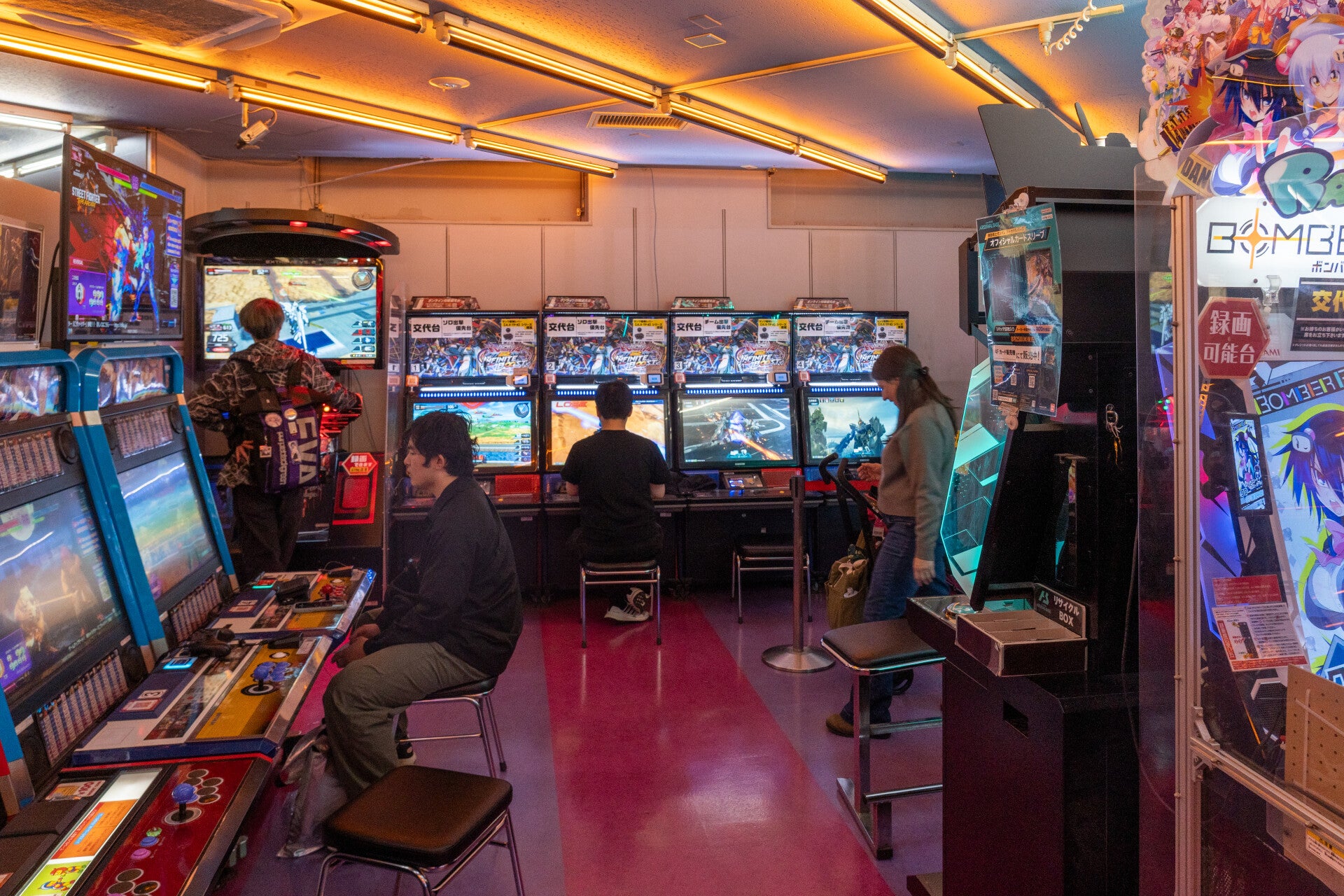
gaming
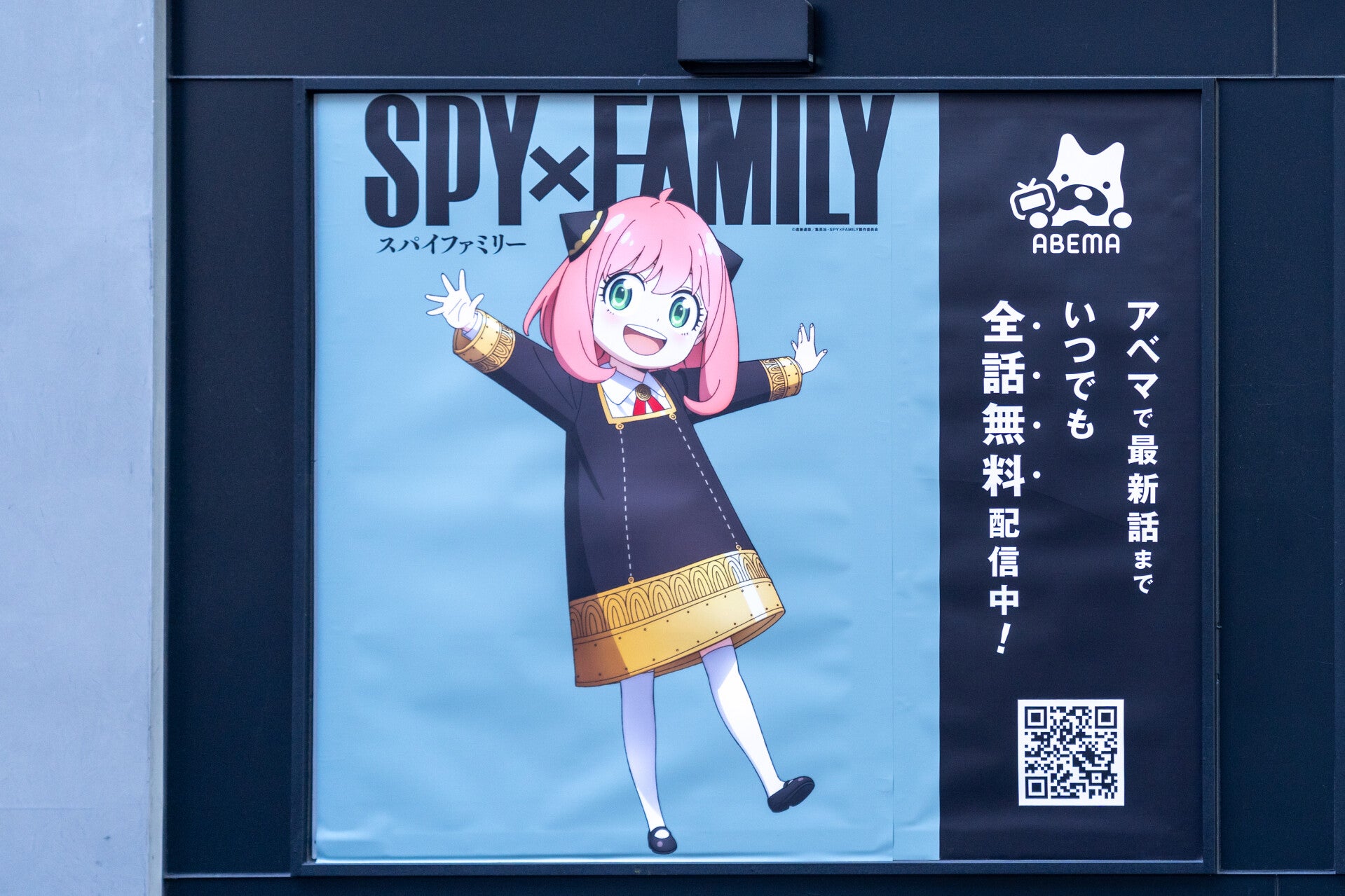
escaping into the fantasy world of Manga and Anime













Monday, October 13th, Fukuoka
It's strange, but we both wake up from the sound of the boat mooring and the engine running differently. We slept well in our bunks. Once the boat has come to a standstill, it takes a while before we are allowed to disembark. We sailed from Busan in South Korea to Fukuoka in Japan. At customs, just like in South Korea, we don't get a stamp but a sticker in our passports. My bags are too wide to go through the gate. Awkwardly, I remove one rear bag and squeeze my way into Japan. Wen has a different experience. Friendly Japanese people lift the back of her bike and she is through the gate in no time. Because Japan is an island, they are cautious, just like in Australia. There is a sign with pictures of all kinds of prohibited products. You are not allowed to bring vegetables, for example. I show them that I have an onion with me, but no, that is not allowed, so it is confiscated. The bags are not checked. However, our bicycle tyres are disinfected. A man is sitting on a small stool. The tyres are placed one by one on a metal frame with two bearings, allowing the man to turn the wheel and spray it with a disinfectant using a plant sprayer. I always remove the mirrors when transporting the bikes to prevent them from breaking. After customs, I screw the mirrors back on. But once outside, I can remove them again. In Japan, they drive on the left. With Wen, it's not a problem, but my handlebar is damaged on the right hand side, so I can't slide the mirror into the handlebar. Three days later, I borrow a round iron file from a car repair shop and now I also have the mirror on the right. Our hotel is close to the harbour. We arrive far too early. We put our bikes in a kind of storage room, where there are racks with laundry and a heating system. We walk a short distance and cross a busy road. Immediately afterwards, a man comes running towards us. Panting, he tells us that it is far too dangerous to cross the road because Japanese cars do not take pedestrians into account; we must use the zebra crossing with traffic lights. We thank the man for his well-intentioned advice. In the last seven countries, no one had any problem with us crossing on a red light that posed no danger. But in the days that follow, the Japanese regularly point out that we are not allowed to cycle through red lights. With disapproving looks and raised index fingers, we are kept in line. So we adapt and wait unnecessarily long far too often. And that is tiring in cities where they are located every 200 metres. The eSIM card that we can order through Trip is much cheaper than the one in the electronics shop. Wen installs a card on the shop's Wi-Fi network. Then we cycle to a large shopping mall to see if they sell knives as well as chopsticks, because they were taken from us on the ferry, safety regulations. There are no bicycles to be seen on the large square in front of the mall. I ask two people who are working where we can park our bicycles. They point at a small building. We go down a shallow staircase, the bicycle on the ramp. The space is a bicycle parking facility. There is an entrance gate. A man sitting in a booth behind glass comes up to us and presses a button. We receive a ticket and can walk through the gate. The bicycles must be placed in U-shaped supports. What is special is that these supports can slide back and forth on a kind of rail. This allows many bicycles to be pushed close together. When we pick up the bicycles later that day, we insert the ticket into a reader, as we have seen others do, so that we can exit through the access gate. However, our ticket does not work. A moment later, it becomes clear to us that we must first pay at the payment machine. Now the gate opens. As we walk up the stairs, there is a 15-centimetre-wide conveyor belt that the bicycle can be placed on. The bicycle is detected, the belt starts moving, and if you squeeze the brakes, you can walk behind the bicycle. In the shopping mall, we feel as if we are in the future. There is so much to buy, ten floors high, one floor below ground and parking underneath. Everything is beautifully and spaciously displayed, clothings made from beautiful and unusual fabrics and textures. It feels very modern. Miraculously, we find our Victorinox knives. Okay, for € 10 each instead of € 3.50 at Biesma. We go to eat ramen in the basement, where there is a large collection of cosily decorated restaurants. The taste is superb; it's incredible how much depth they manage to get into a broth. There is also an entire floor dedicated to sweets, in all kinds of varieties and beautifully packaged. Wen is absolutely thrilled. Our eyes are opened.
Tuesday, October 14th, Fukuoka
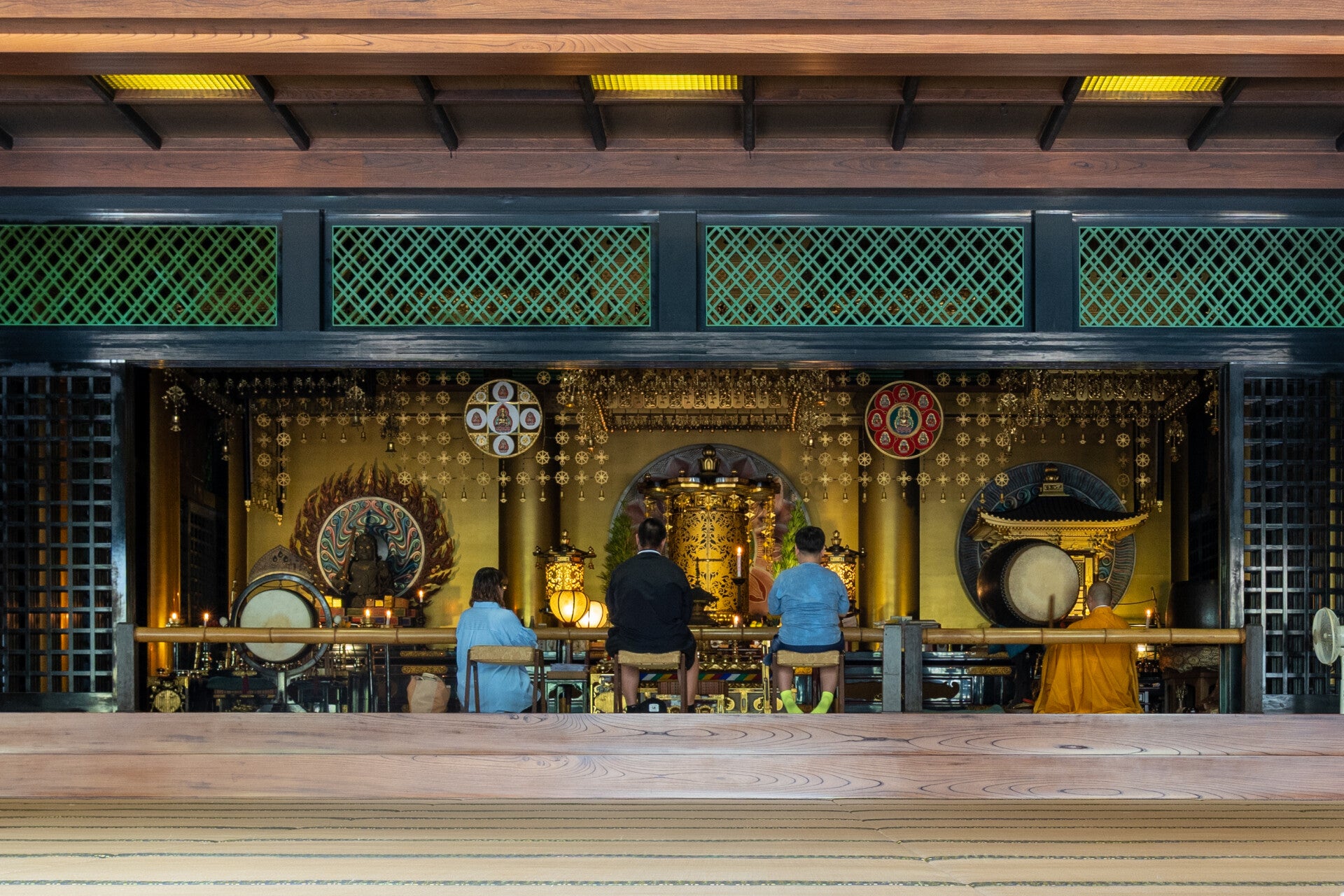
Tap water is drinkable and toilet paper can be flushed down the toilet. For the first time in seven months. We wanted to stay another night, but the hotel was fully booked. We take it easy and leave at 11 a.m. First, we drive past the Tochoji temple. Mantras are recited and drums are beaten. The interior of the temple is beautiful, sparsely lit with many gold-coloured elements. The temples are slightly more refined than in South Korea (where more than half of the people are non-believers). The Chinese characters are beautiful, the Korean ones are more austere and the Japanese ones are more refined. We thought we could distinguish the difference in facial features between the three countries, but that is not so easy. The only thing we can describe is that the Japanese have slightly more refined features, especially the nose. Next to the temple is a building with a giant wooden Buddha. There is an entrance underneath the altar where the Buddha stands. A narrow corridor runs underneath it. On one side of the wall are paintings of a burning hell. Then the corridor winds a few times to the left and right and you find yourself in complete darkness. I run my hands along the wall to determine the layout of the corridor. When it gets light, there are paintings of heaven hanging on the walls. Wen buys a lucky charm for her bicycle. We cycle on. Suddenly, out of nowhere, there are strong, cold gusts of wind. Not much later, it starts to pour with rain. We are sitting just under the canopy of a car park at a small company that does something with steel cables. Here we can eat our lunch during the downpour. After a while, the man from the building comes over to us and shows interest. I have to walk with him. Around the corner is a red Coca-Cola vending machine. He puts 100 yen (60 pence) in it and I get two cans of cold cola. These machines are located every 500 metres. The rain has stopped, so we continue. But we see black clouds hanging over the sea. Not much later, it starts raining again. Wen suggests that we stop for today. There is a small park across the road. I go and search for a suitable spot for the tent, secluded behind a few low trees. A public toilet and a 7Eleven around the corner. When it gets dry, we pitch our tent on the edge of the busy city of Fukuoka. Unlike all the other countries we've visited so far, there are no curious people or giggling children coming to our tent. In Japan, you are left in peace.
Reactie plaatsen
Reacties