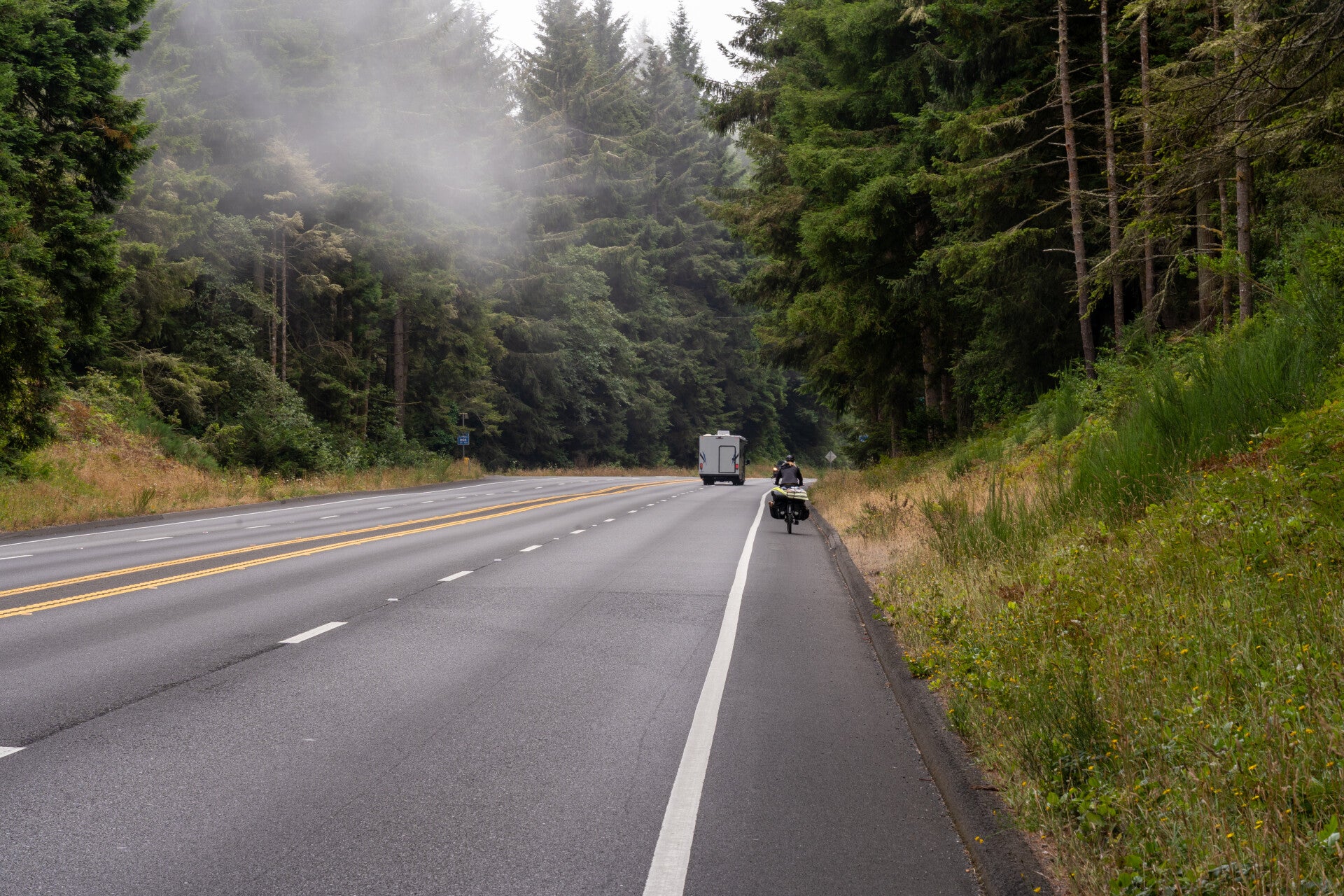
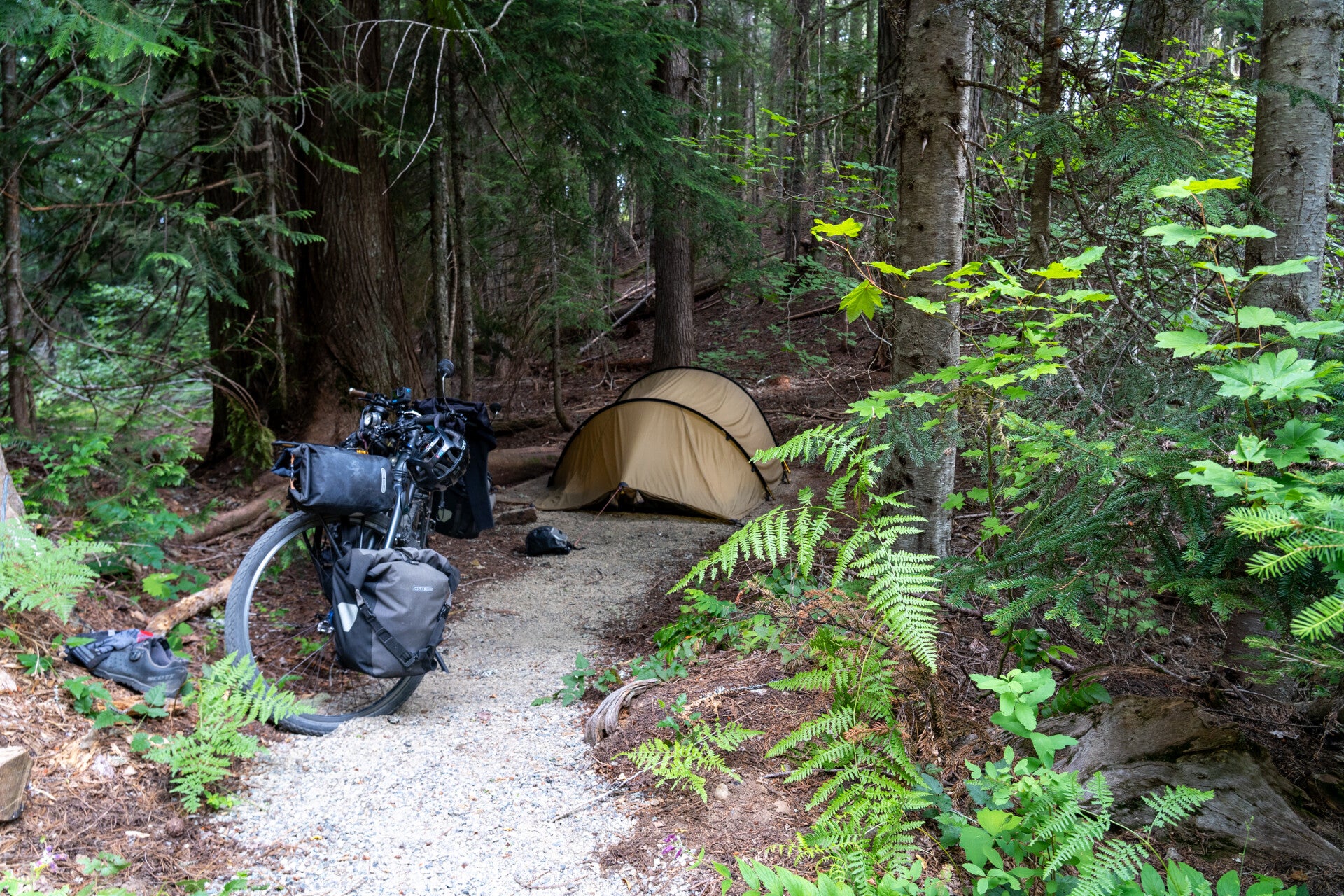
we cycle through the woods along an old railway
from Seattle to Yakima
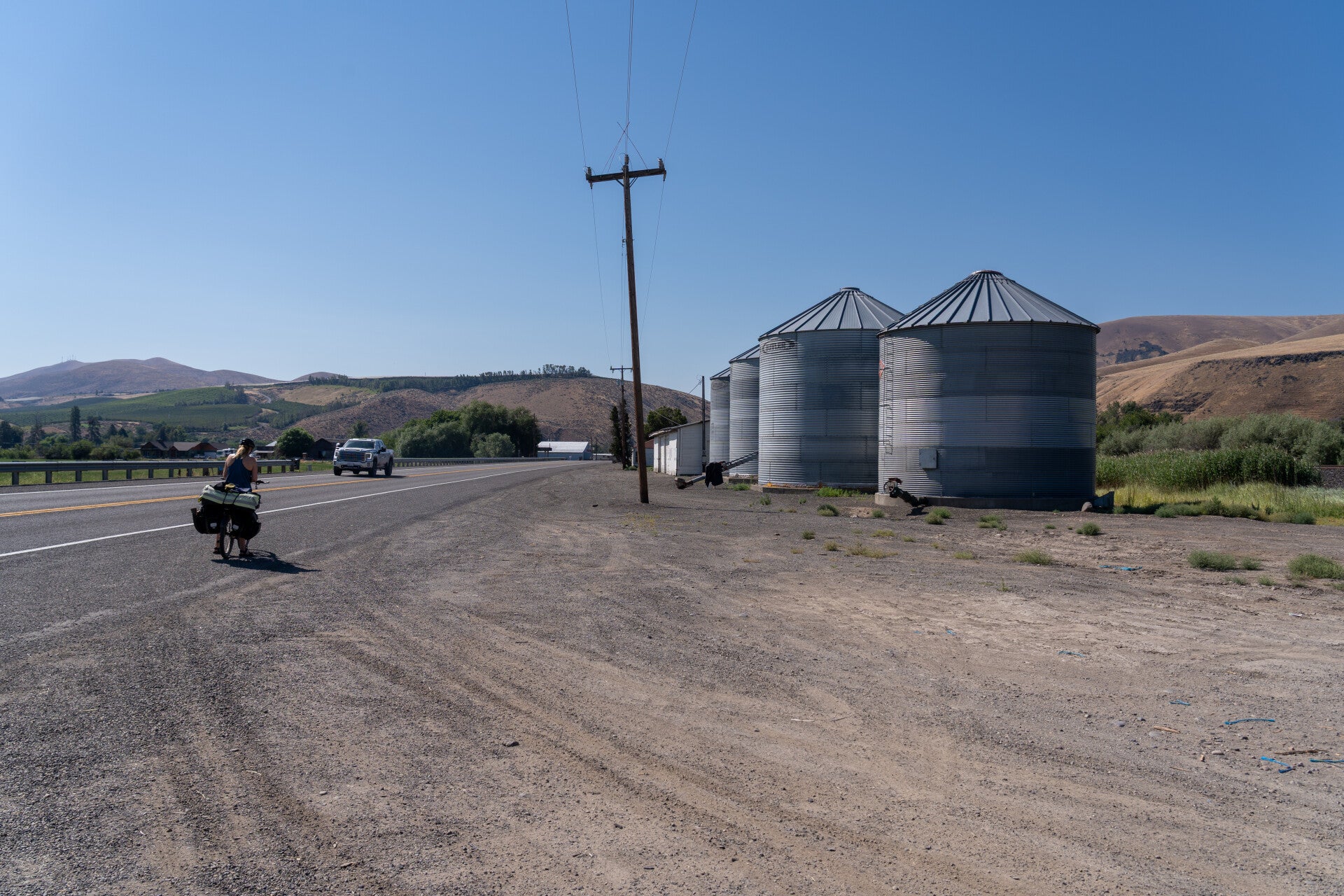
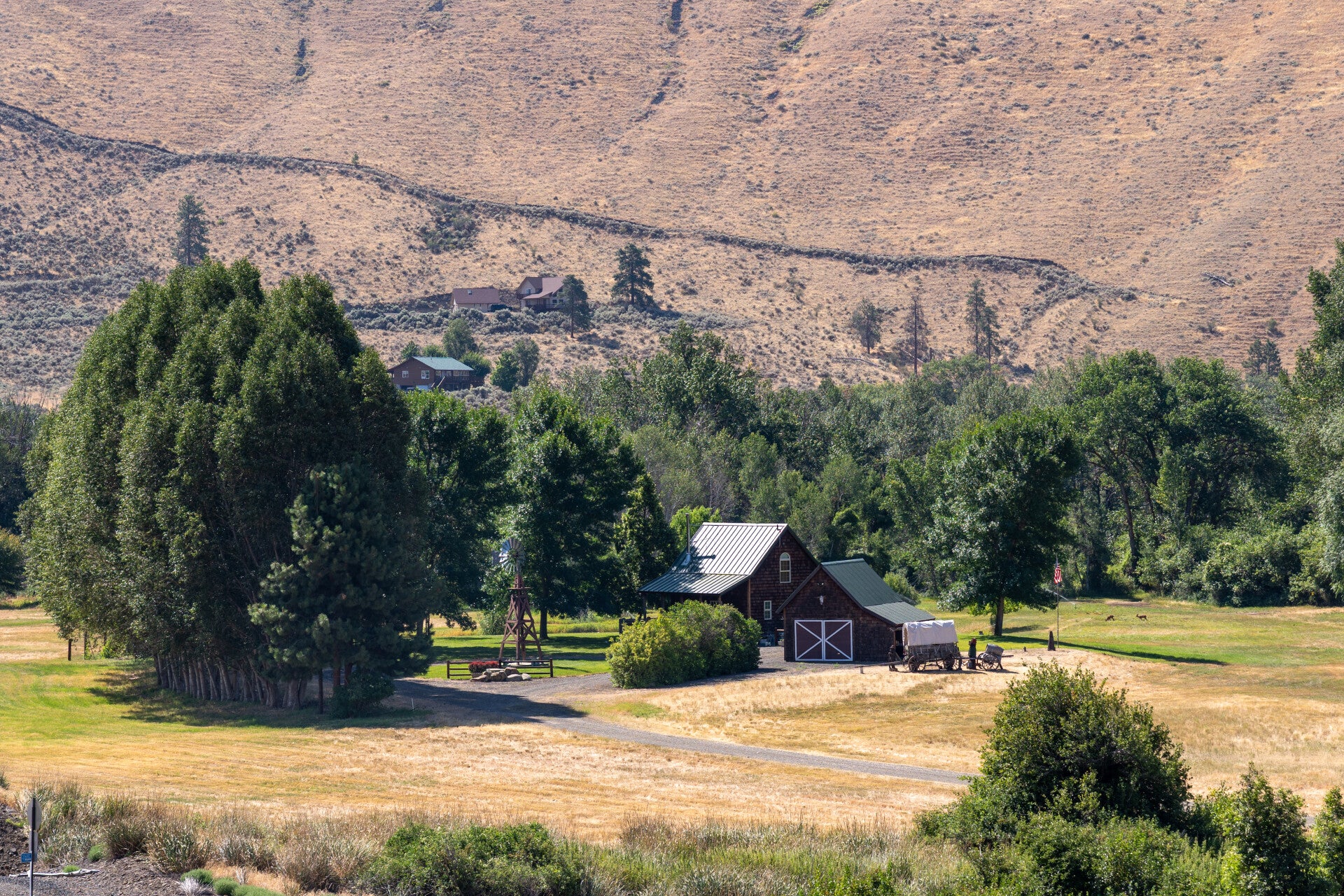
suddenly the forest turns into a dry, hot steppe
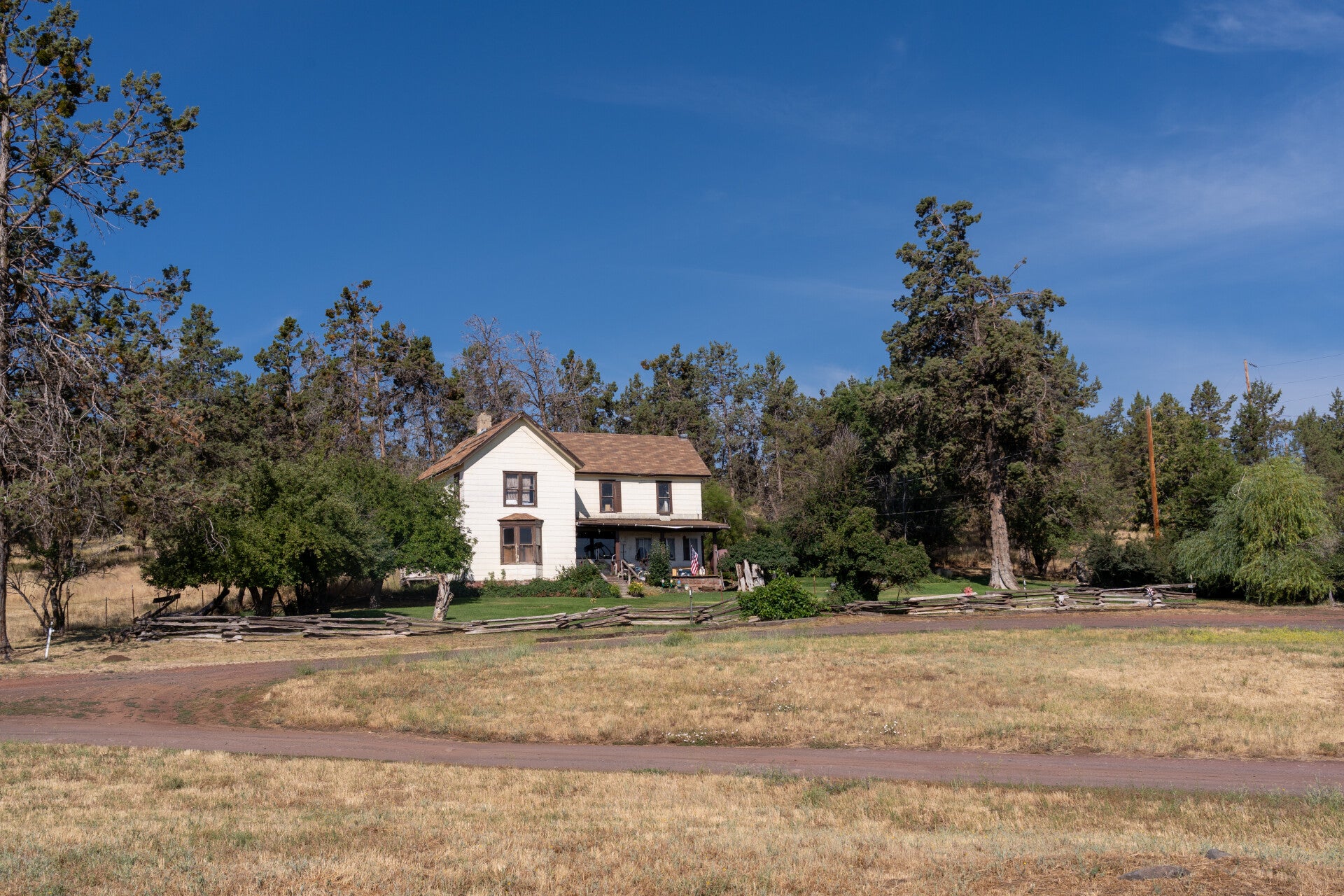
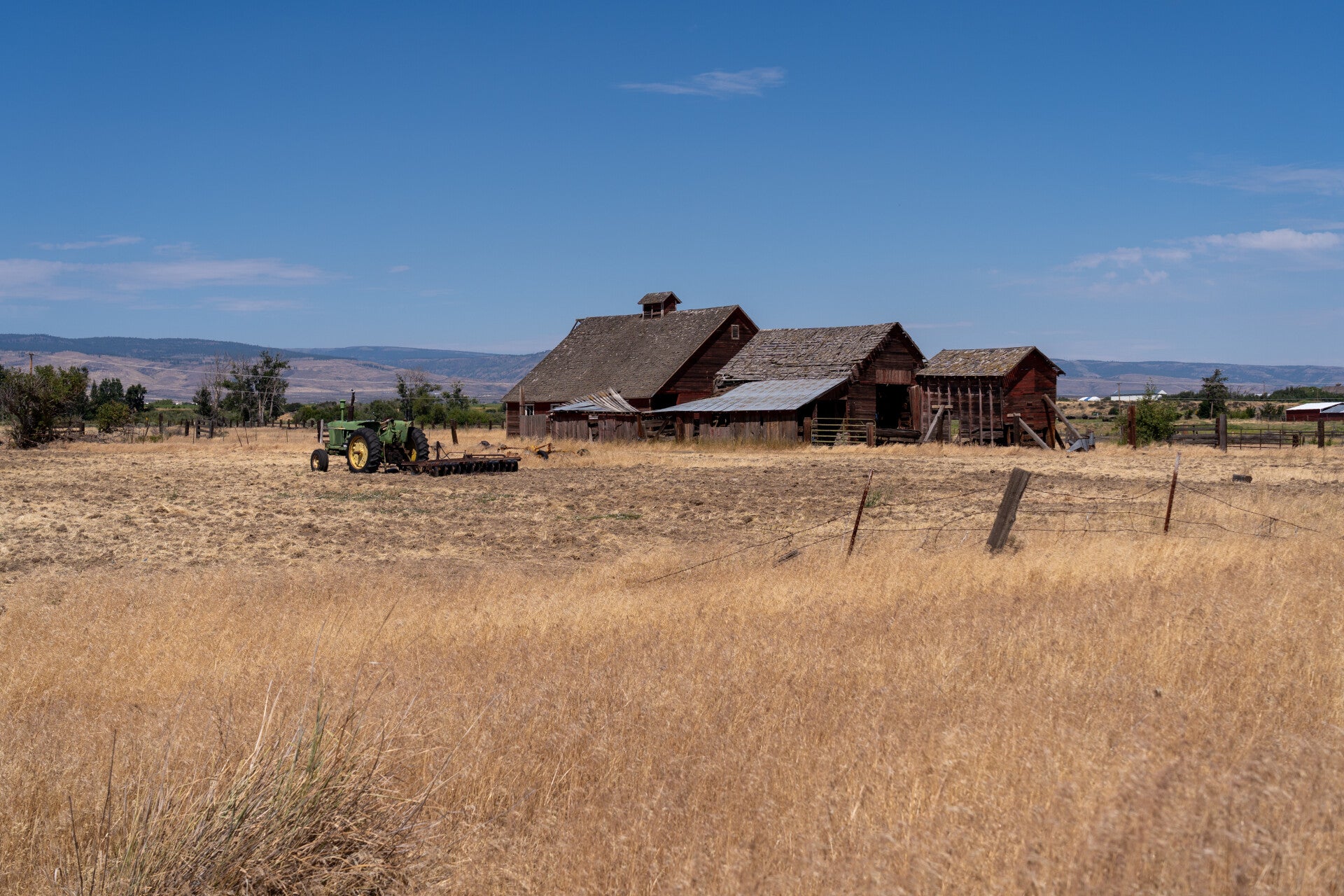
abandoned and dilapidated farmhouses
enormous distances
birds of prey are circling in the sky
no mobile signal
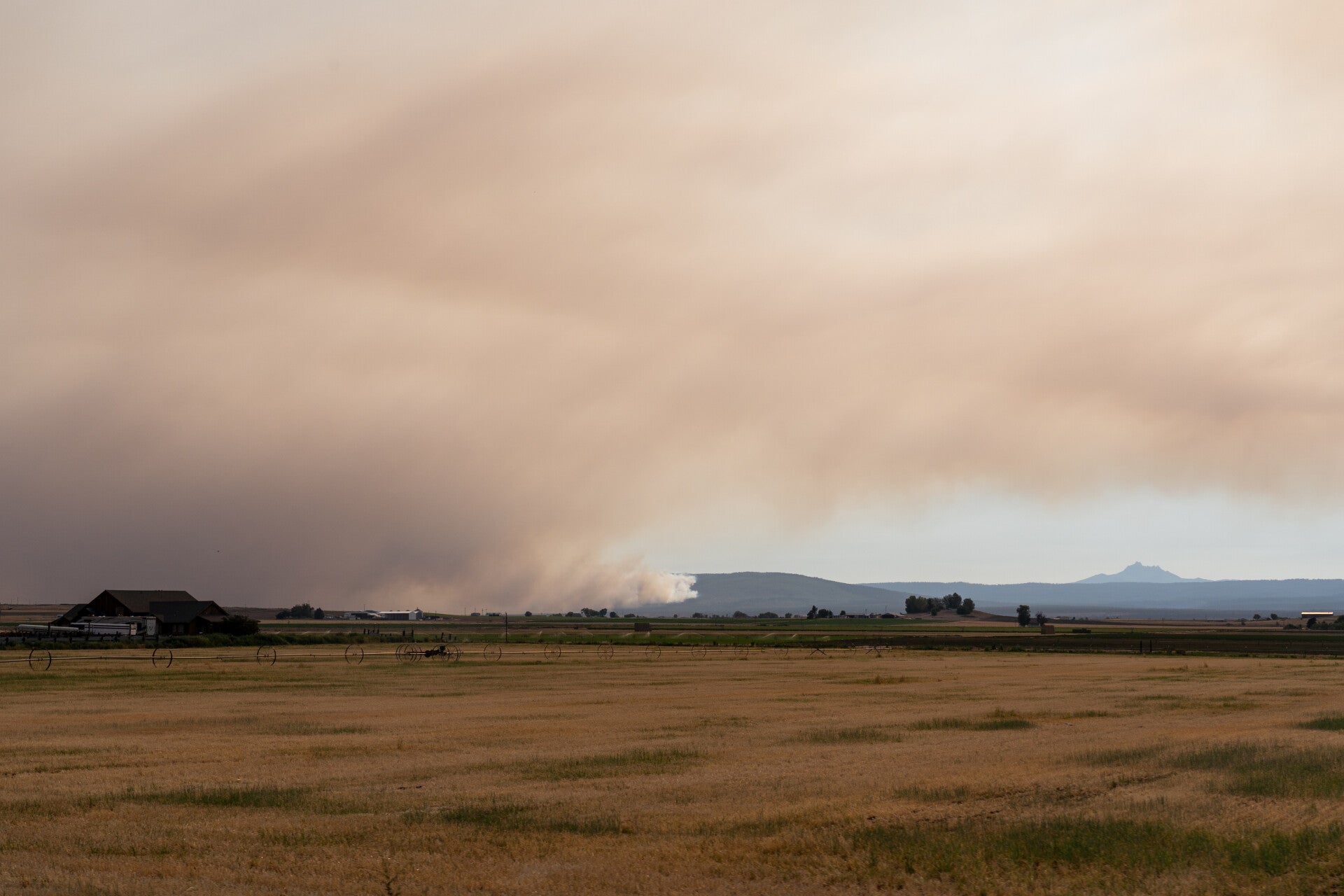
wildfires
you can see where and how big it is on an app
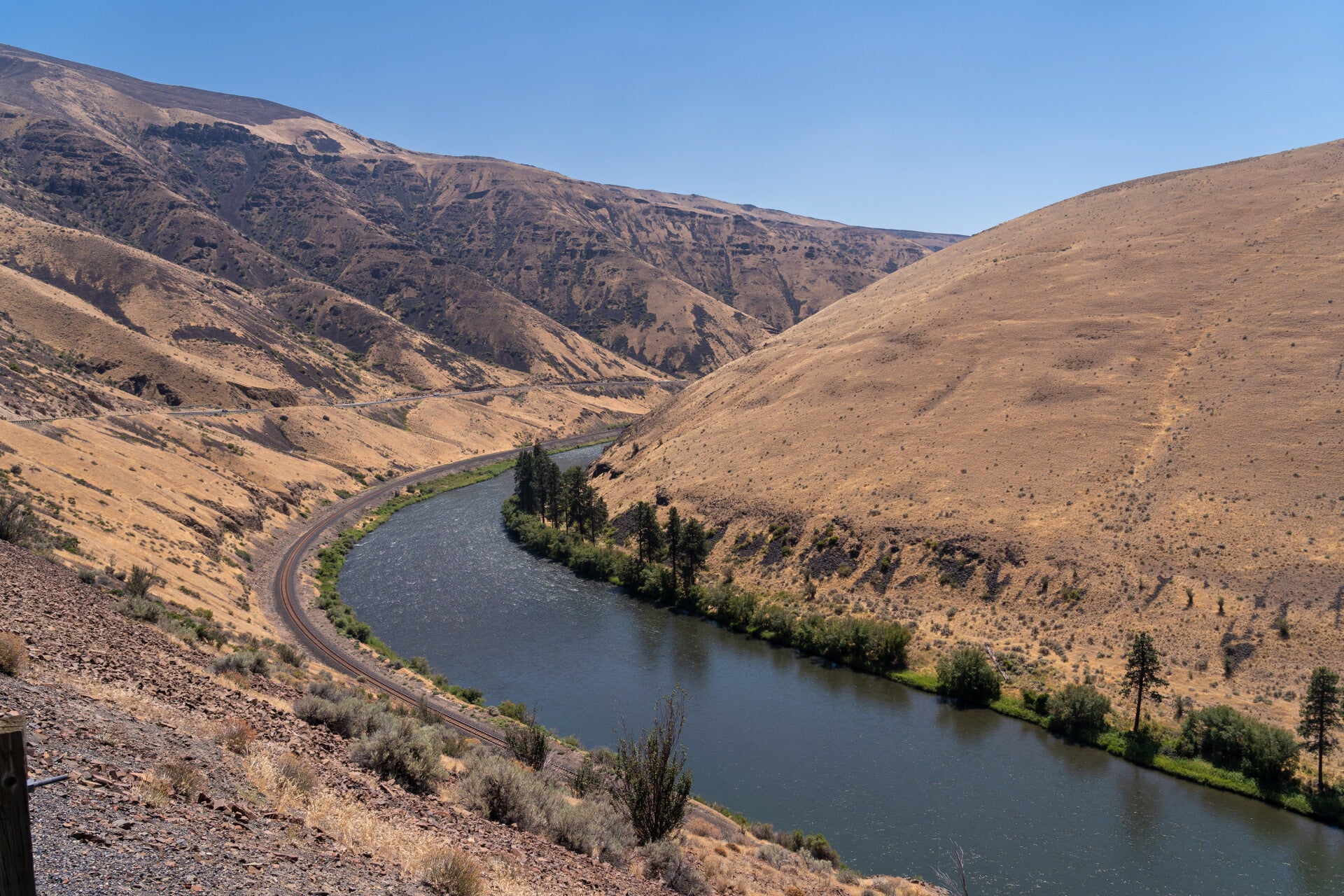
we cycle through the beautiful Yakima Canyon
and arrive at our hotel on the outskirts of Yakima
unoccupied hotels, shops and businesses, as a result of the coronavirus
homeless people gather where food is being handed out
the Mexican seasonal workers who take the bus first thing in the morning
taken to the orchards to pick fruit
sitting in the shade of a petrol station with a bottle wrapped in brown paper beside them
where have we ended up?
the American who talks a lot and loudly
not necessarily good-looking
with a distinct edge
blue hair, piercing, tattoo, cap on, long beard, eye-catching T-shirt, overweight
pizzas, burgers and meat from the barbecue
the squeeze bottles with sauces are on the table
paper plates and plastic cutlery
we go to a Mexican food truck for tasty and affordable food
the American is friendly, but that’s as far as it goes
that's how they live too, with a big fence around the garden
inside, everything has been designed with functionality in mind
bulky knobs on the cooker, with the microwave still taking centre stage
in the shop, shelves with microwave meals
old cars are left in the garden, rusting away
as if time had stood still since the 1970s
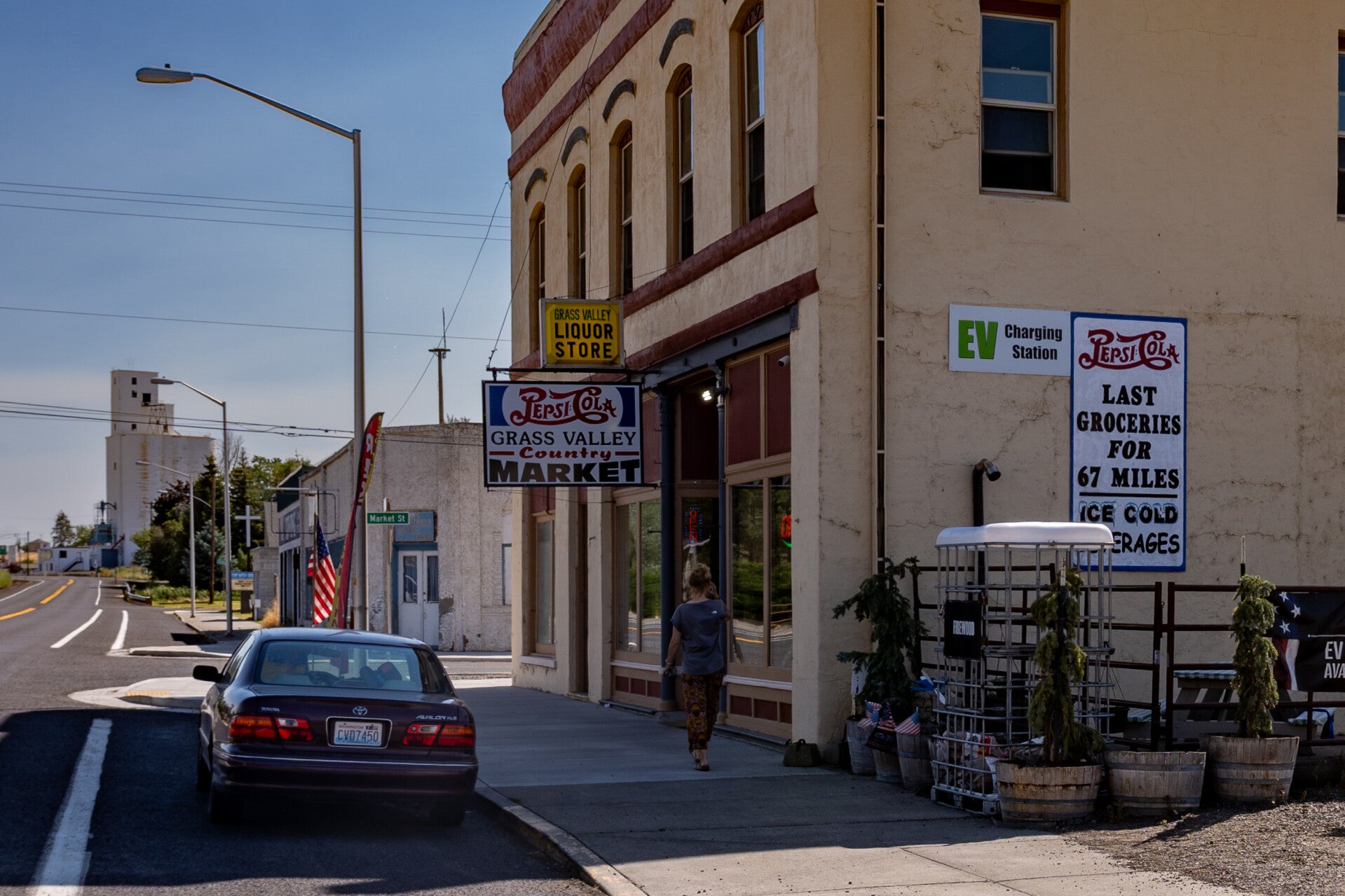
the towns did not develop from a historic centre
but have a rectangular street layout
they all look rather similar
for various reasons, cycling isn’t really working out
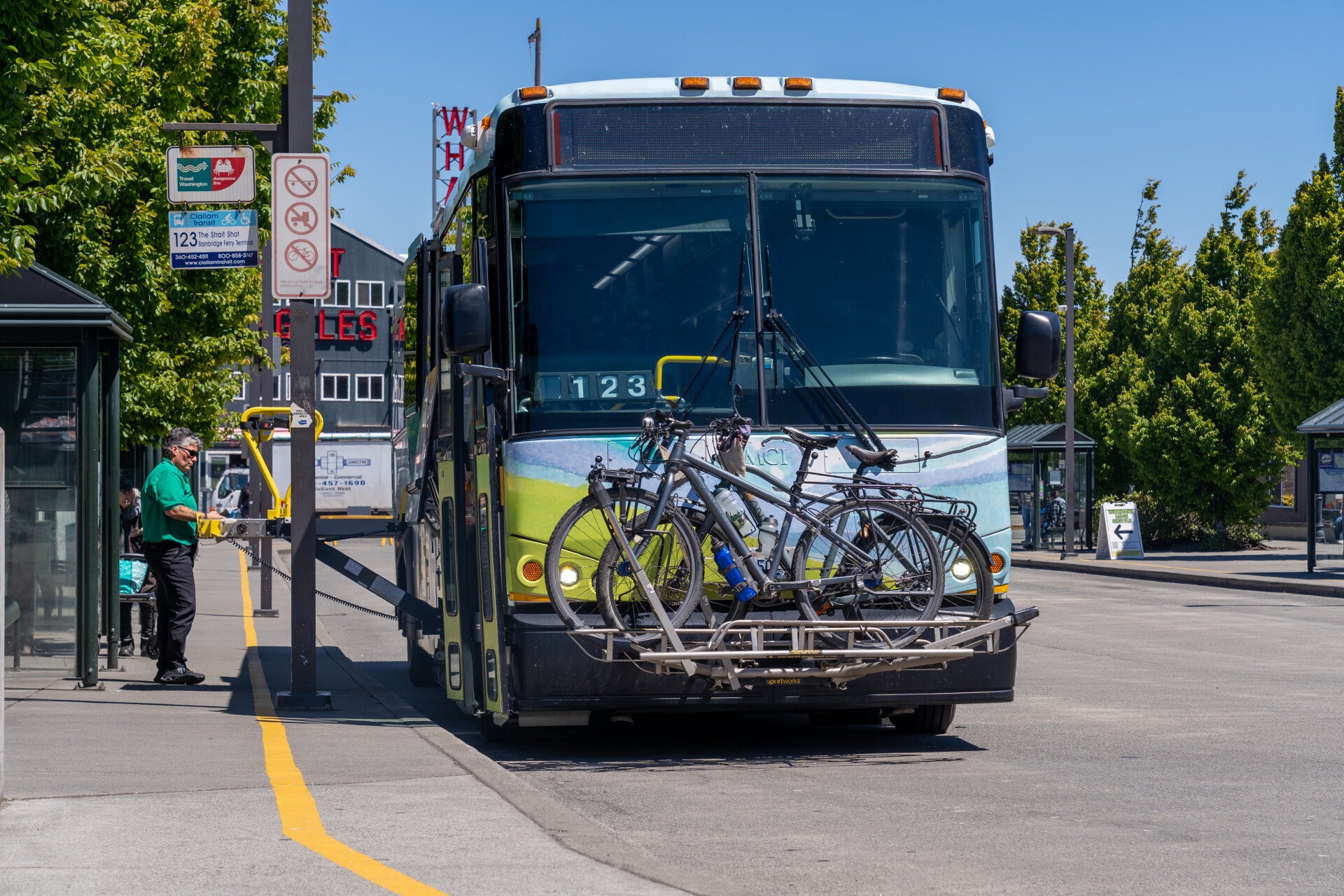
we regularly take the bus for half a day for 2 dollars
the bikes on the frontrack
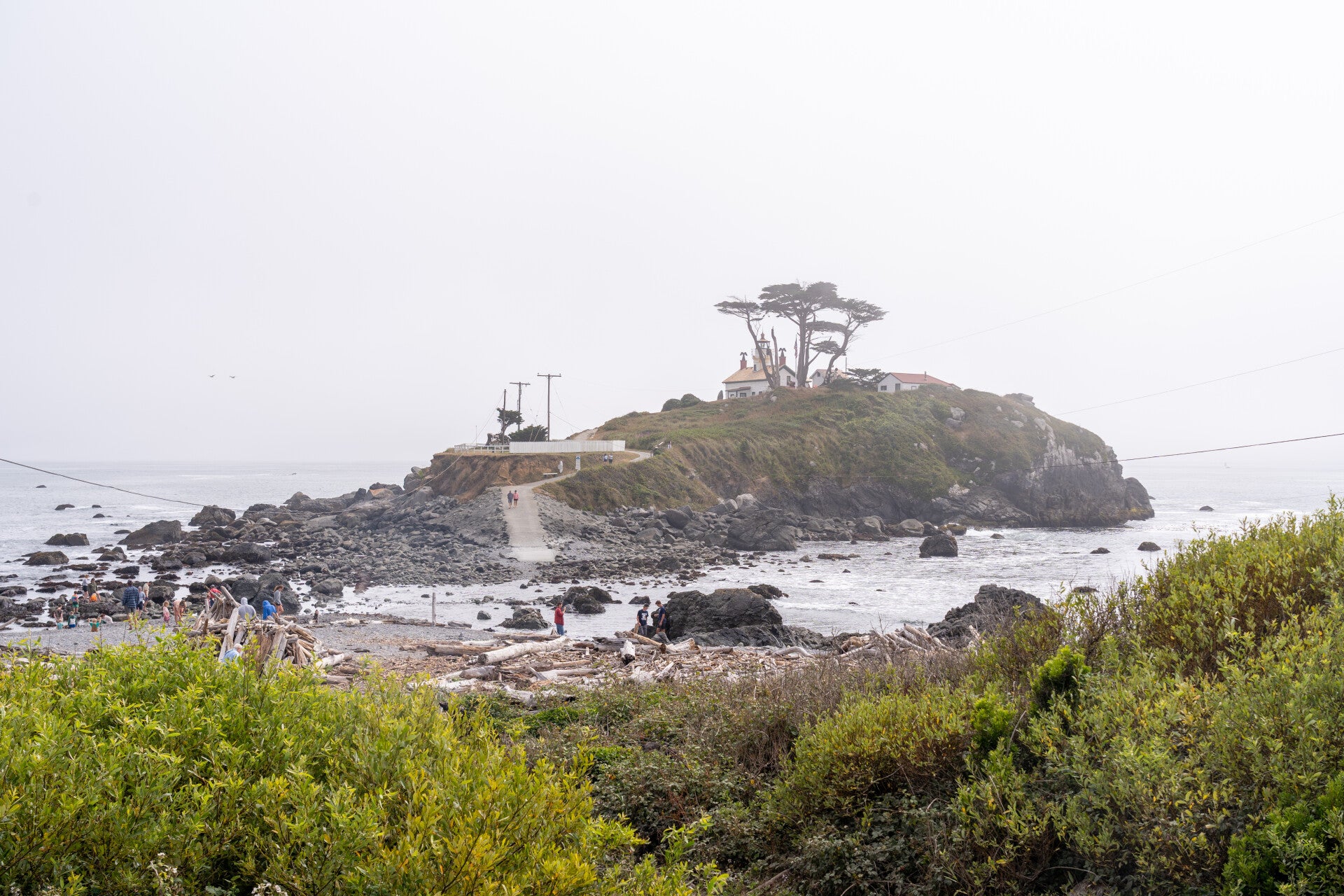
Crescent City
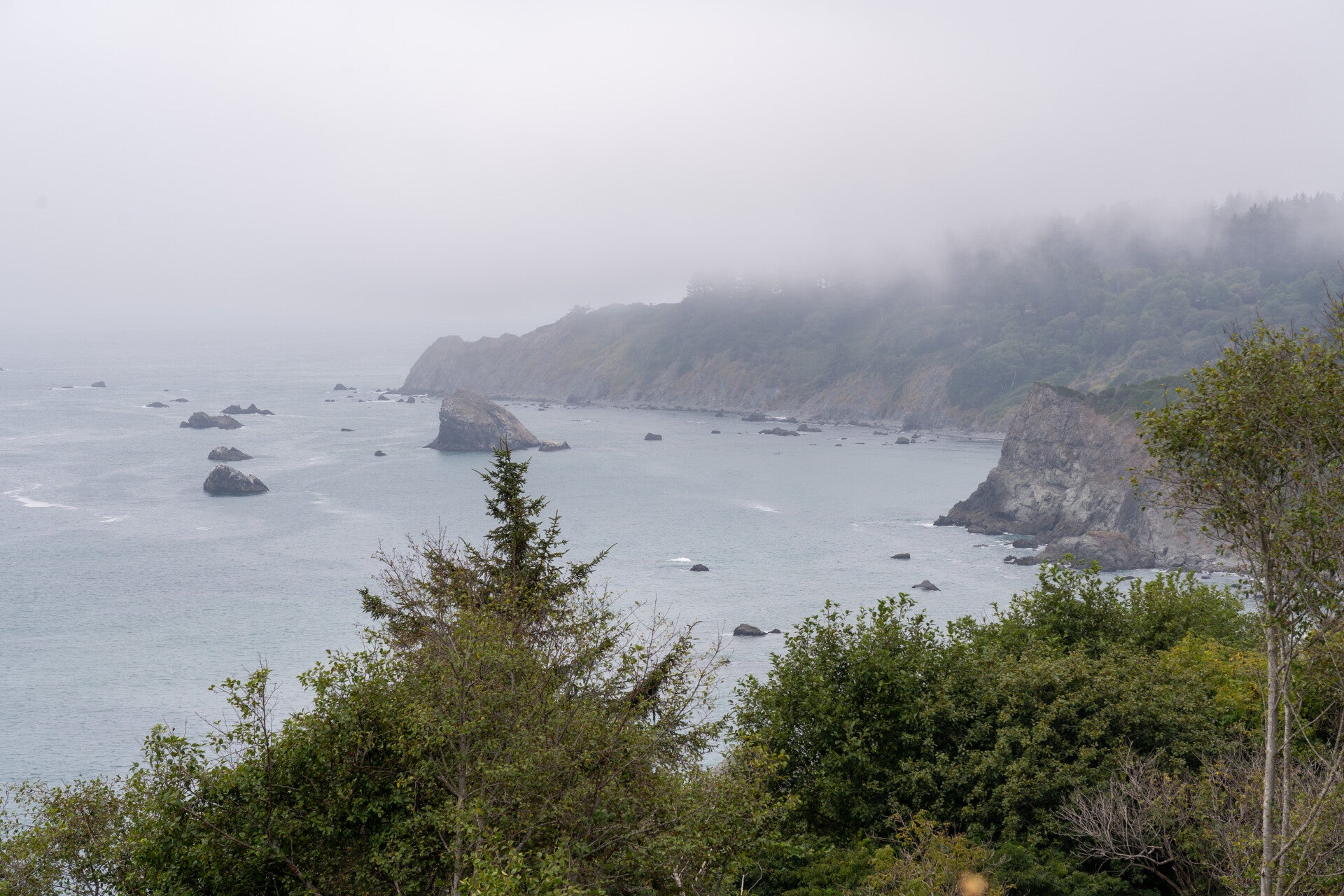
the cool sea mist blows inland
sometimes we don’t see the sun for days
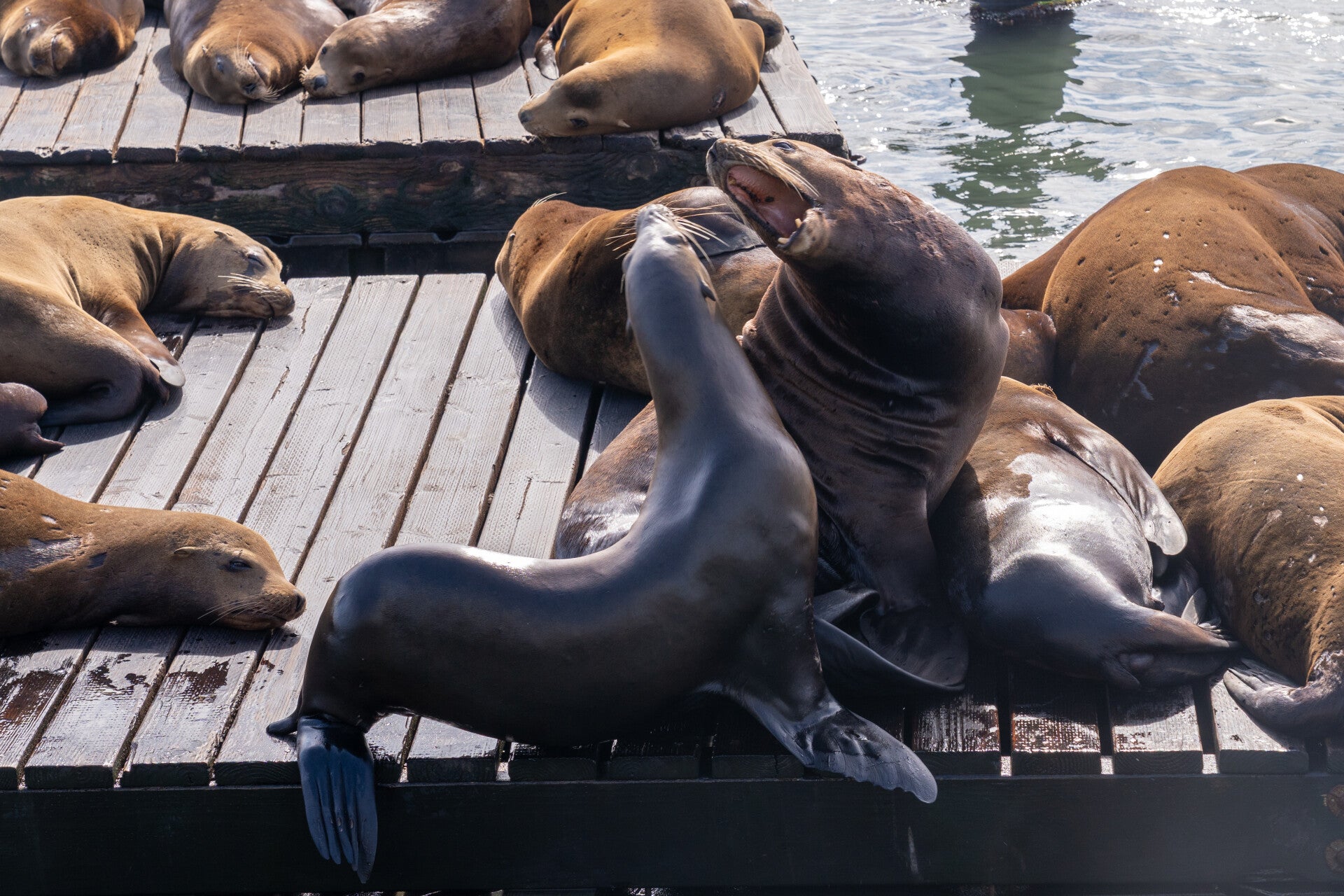
barking seals
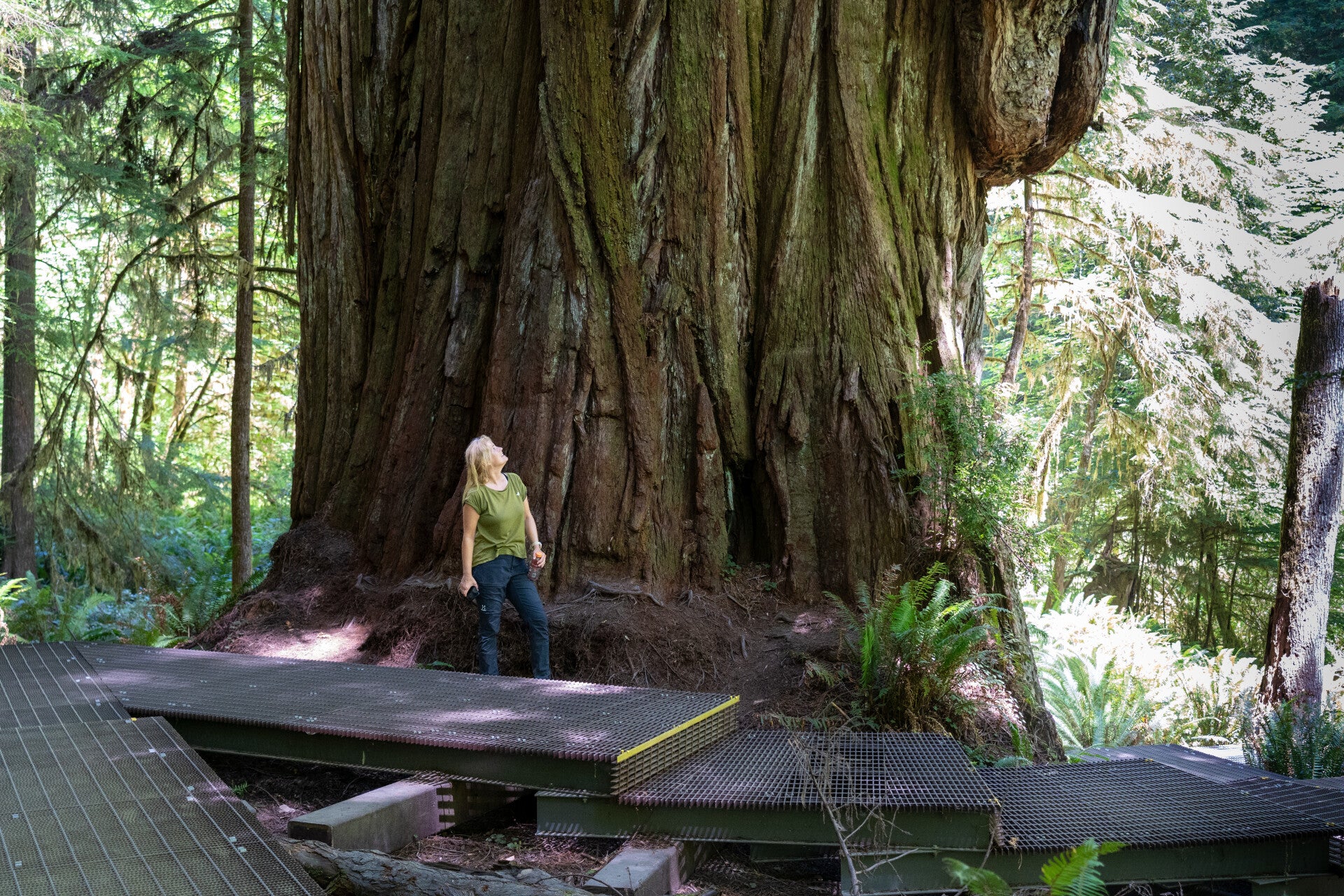
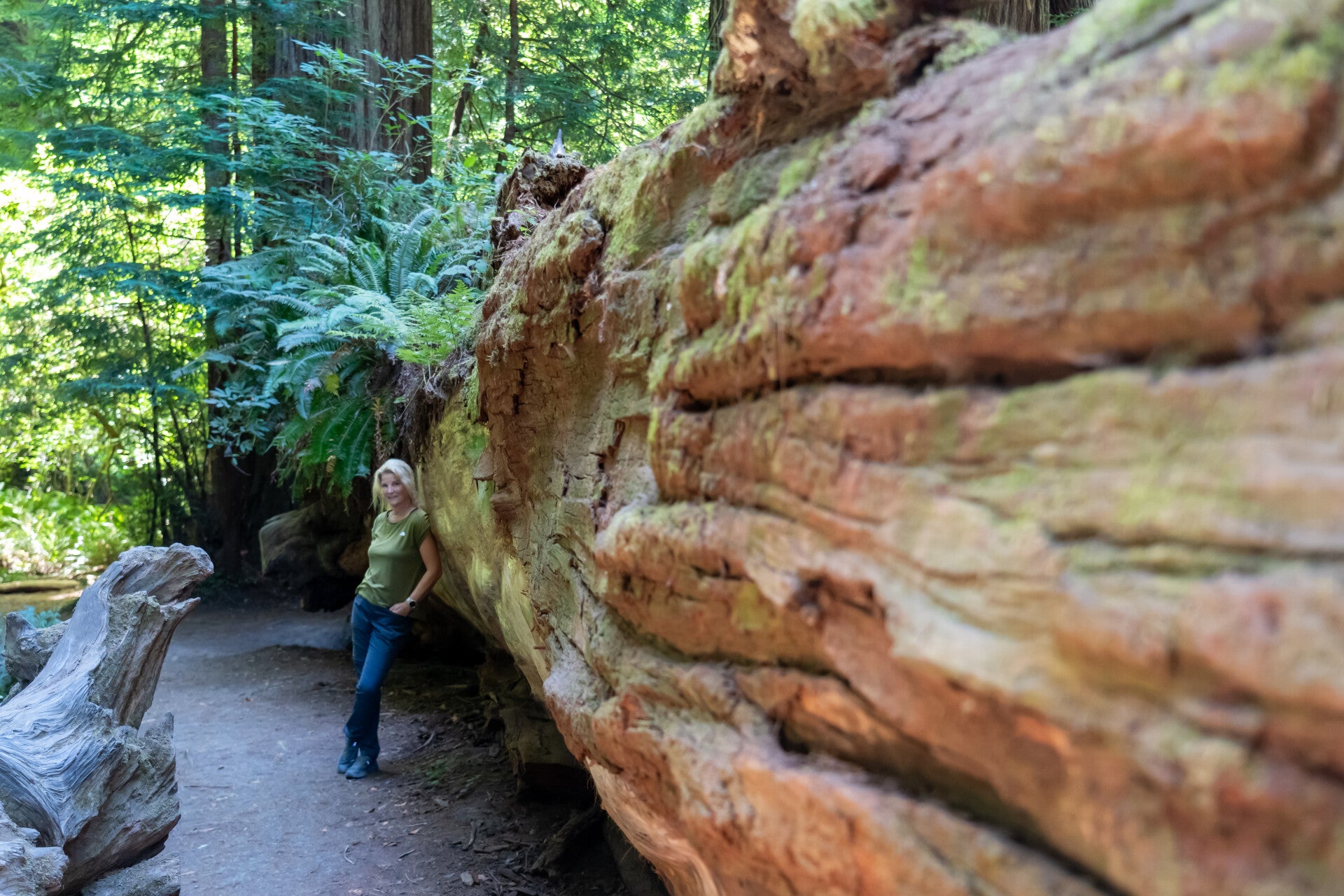
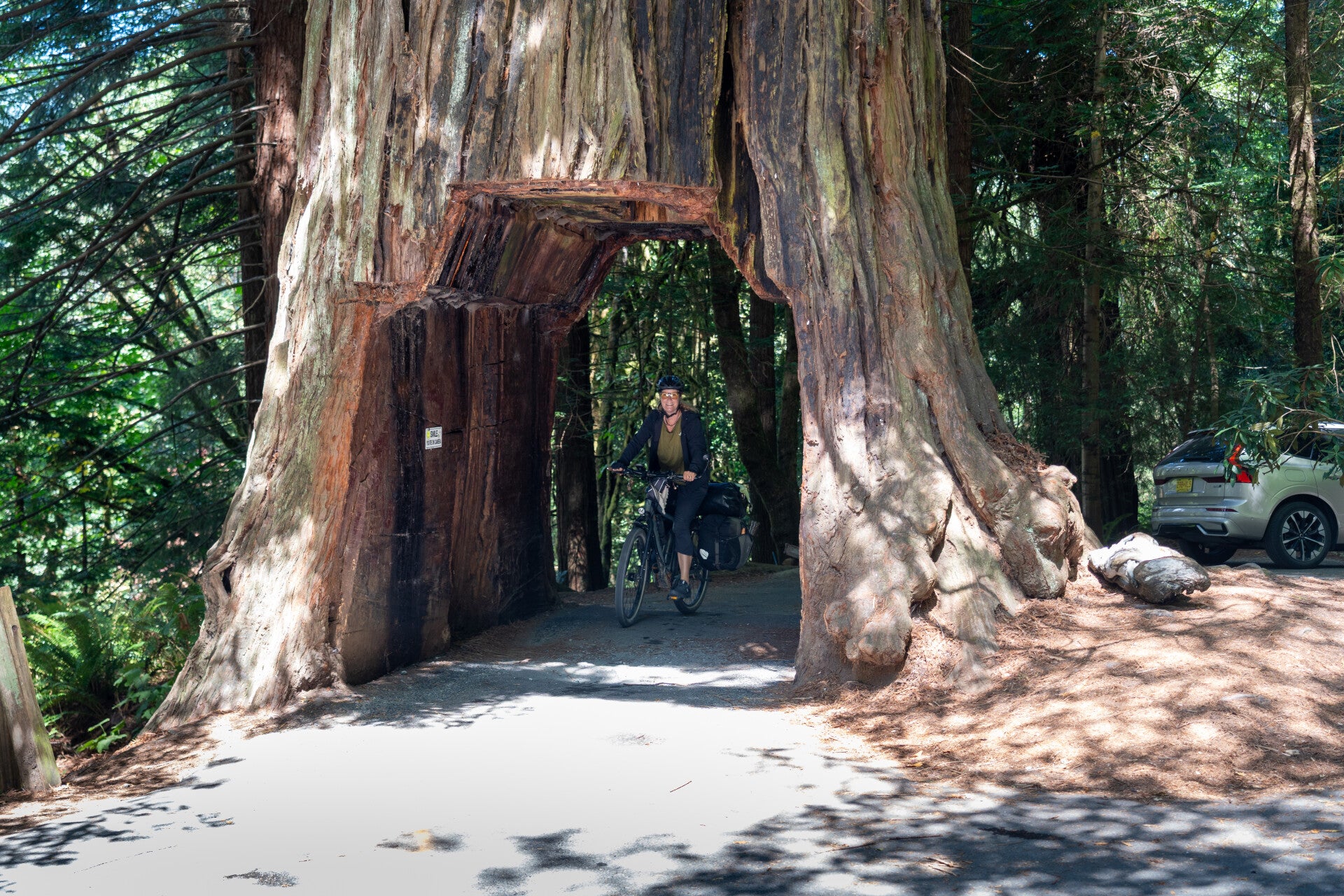
redwoods, giant sequoias over 2000 years old
9 metre trunk and over 100 metres tall
use their leaves to absorb moisture from the mist
we meet Darrel and his wife Katie
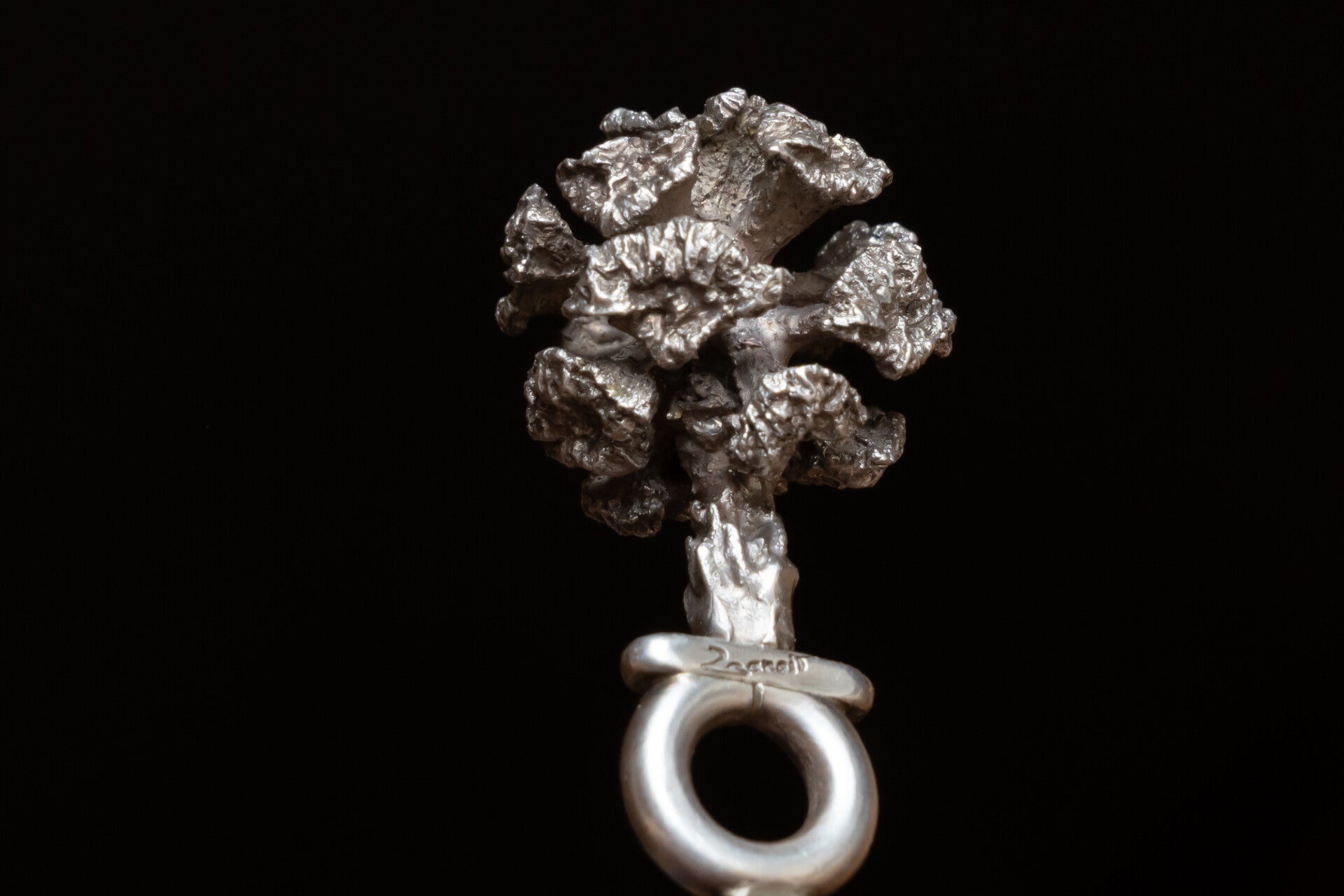
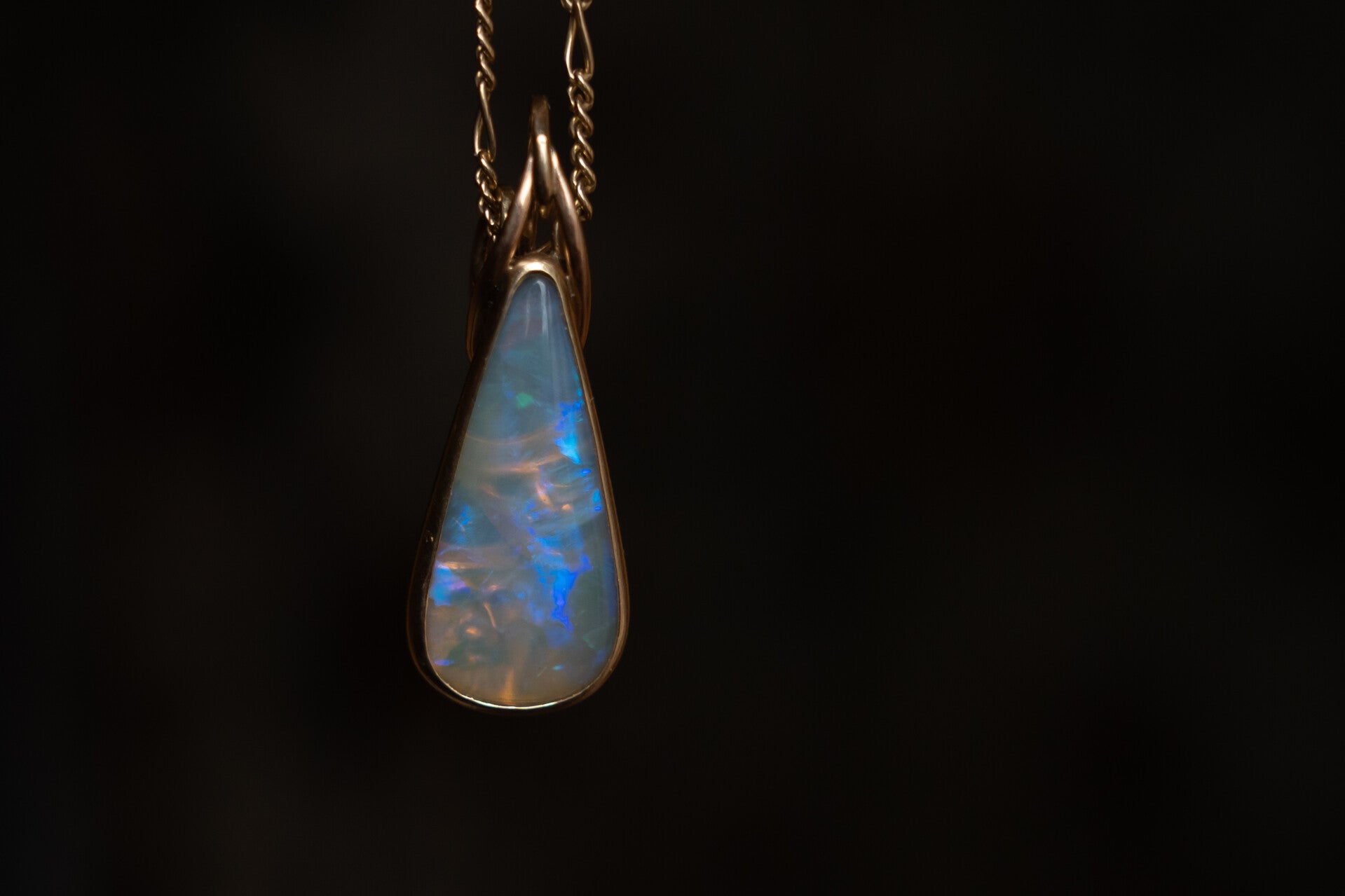
Darrel is a jeweller
robbed two years ago and hasn’t been back to his studio since
we take photos of what he has made for his mum
as if he were looking in a mirror
energy and motivation are returning; he asks if we’d like to stay
two weeks of talking and working in the studio
offering a wonderful glimpse into the life of an American family
and see a broken man flourish
it's twice as expensive here as it is in the Netherlands
we hear a lot of Spanish
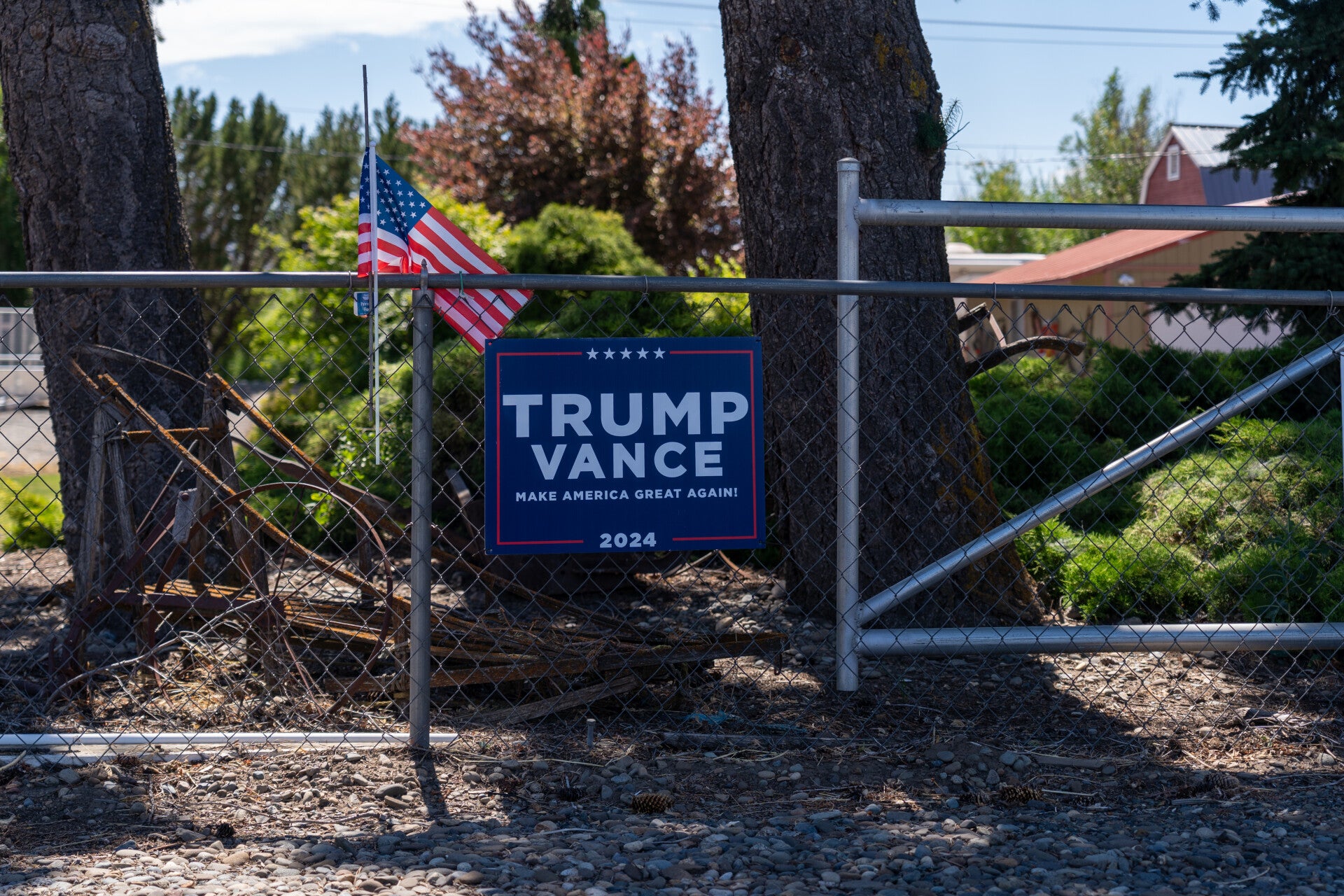
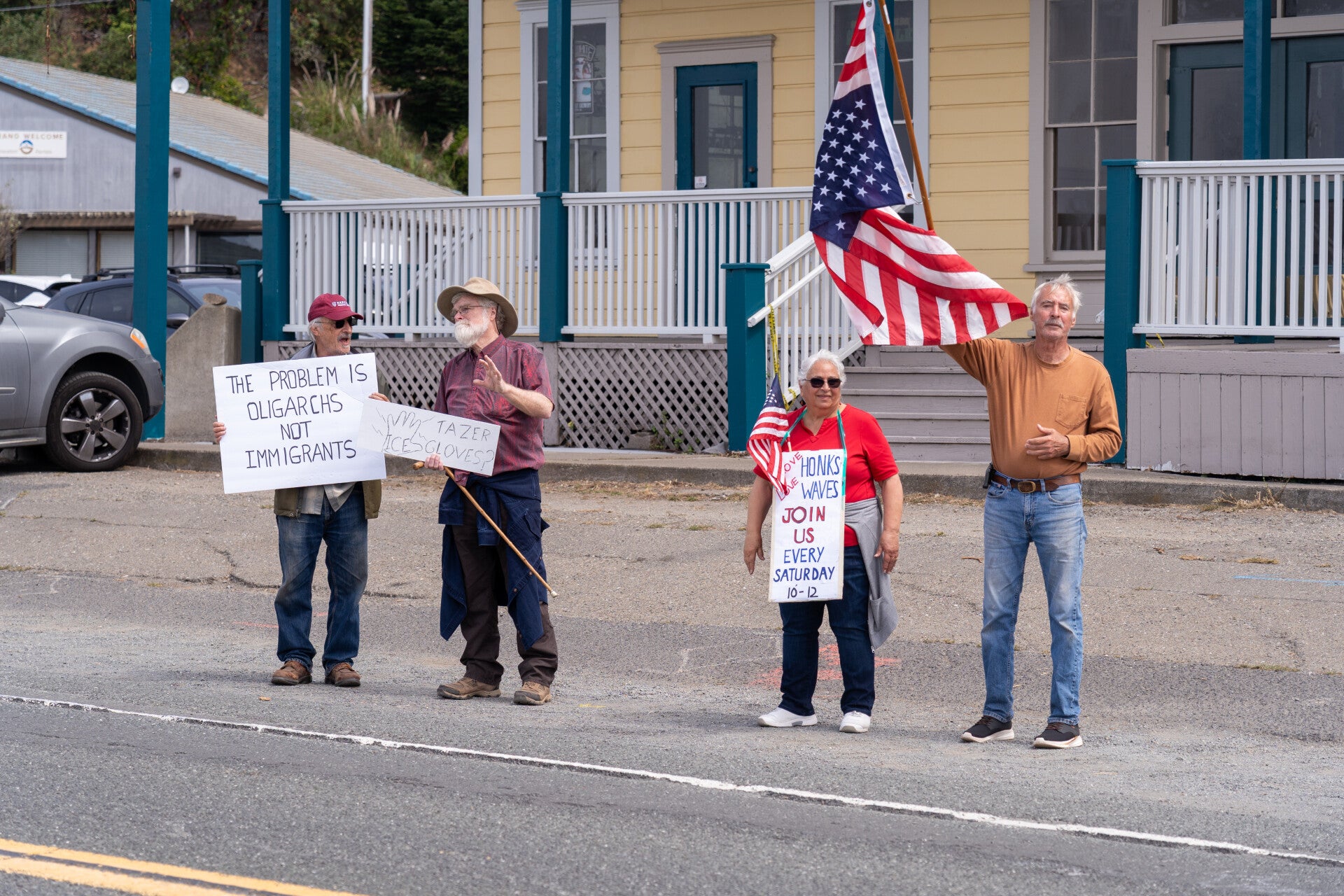
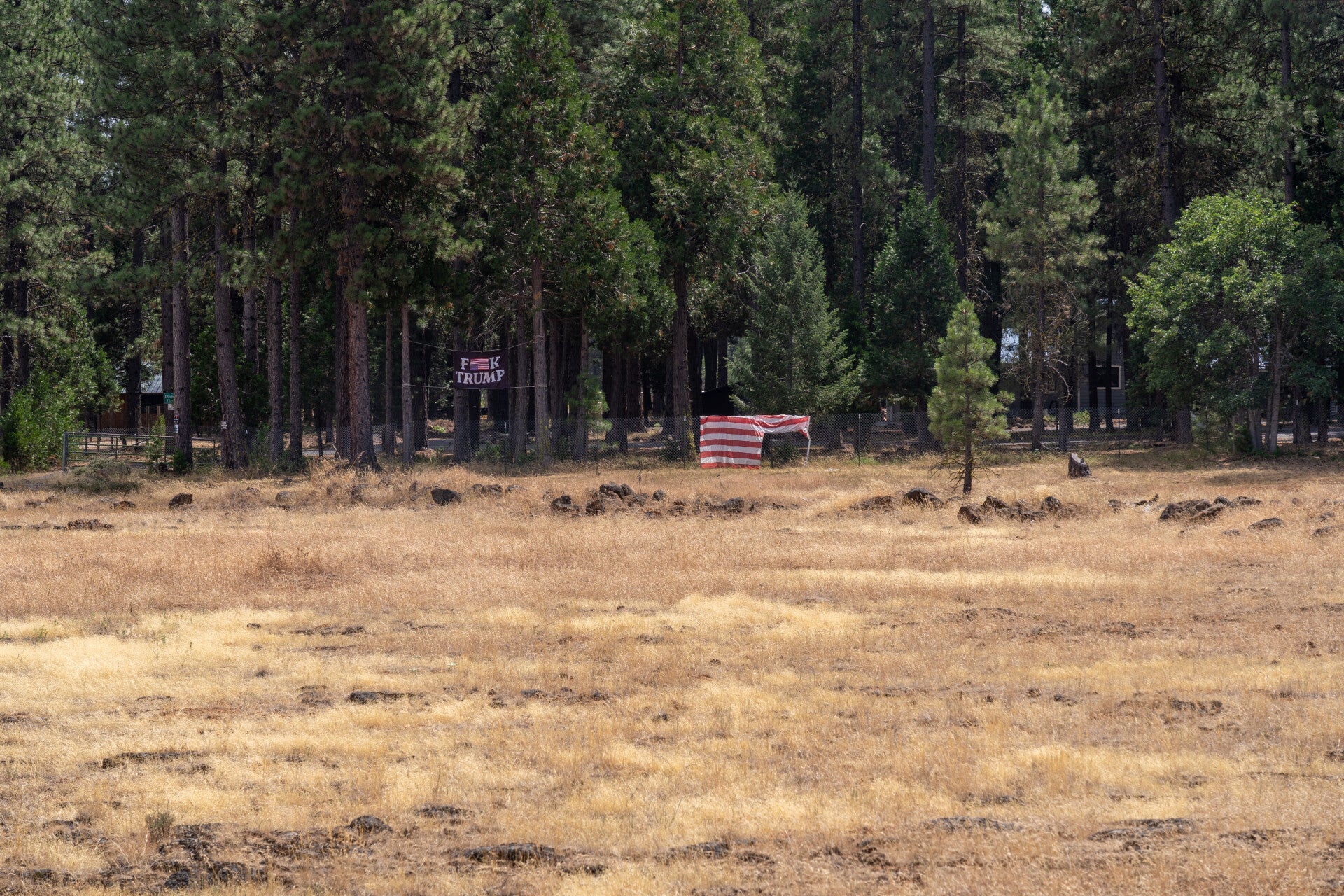
“sorry for Trump”
the 4th of July marked America’s 250th anniversary
but 150 years ago, San Francisco was still part of Mexico
we’re almost being blown off the Golden Gate Bridge
San Francisco, with its steep streets where cars fly through the air in car-chase scenes
chinatown
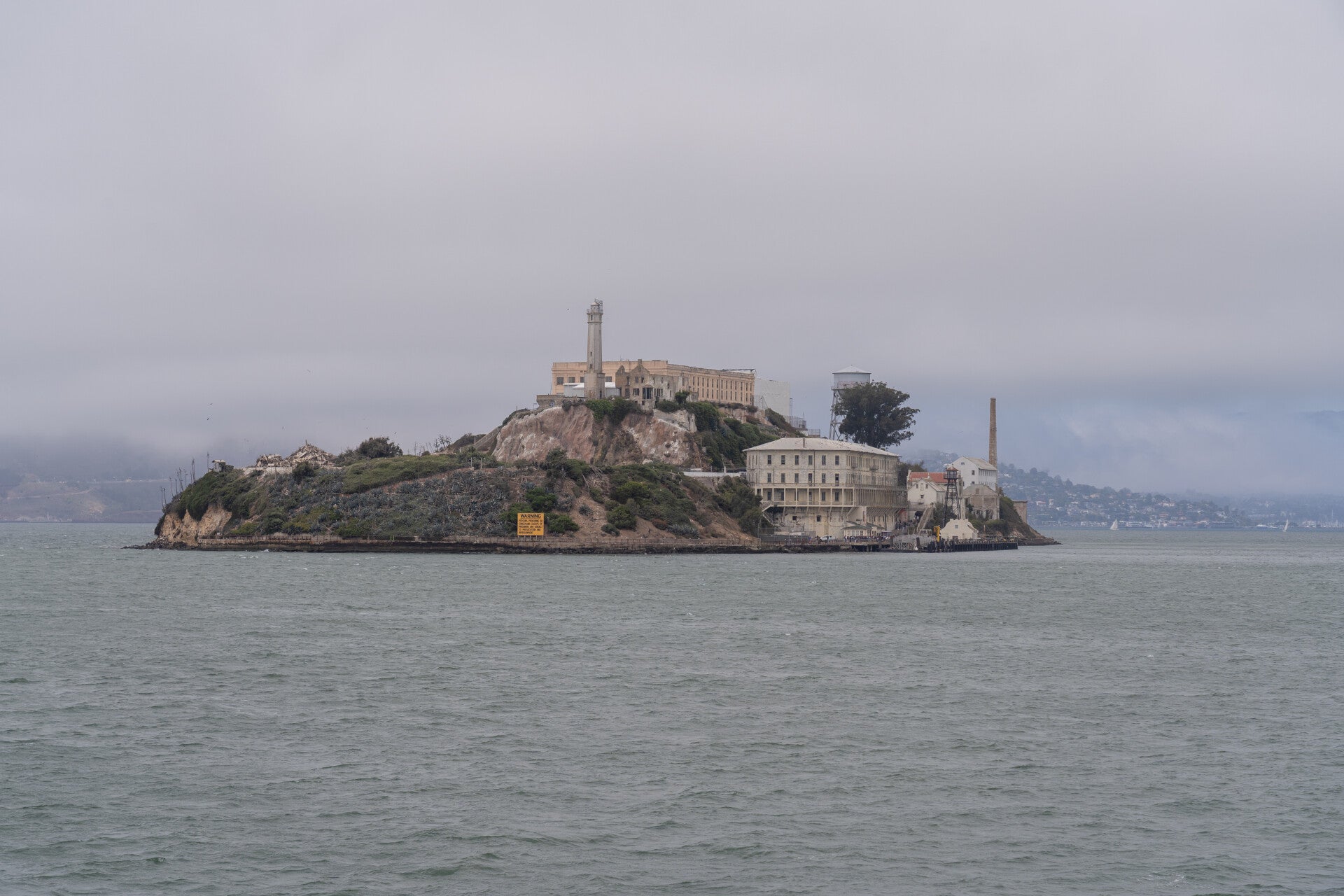
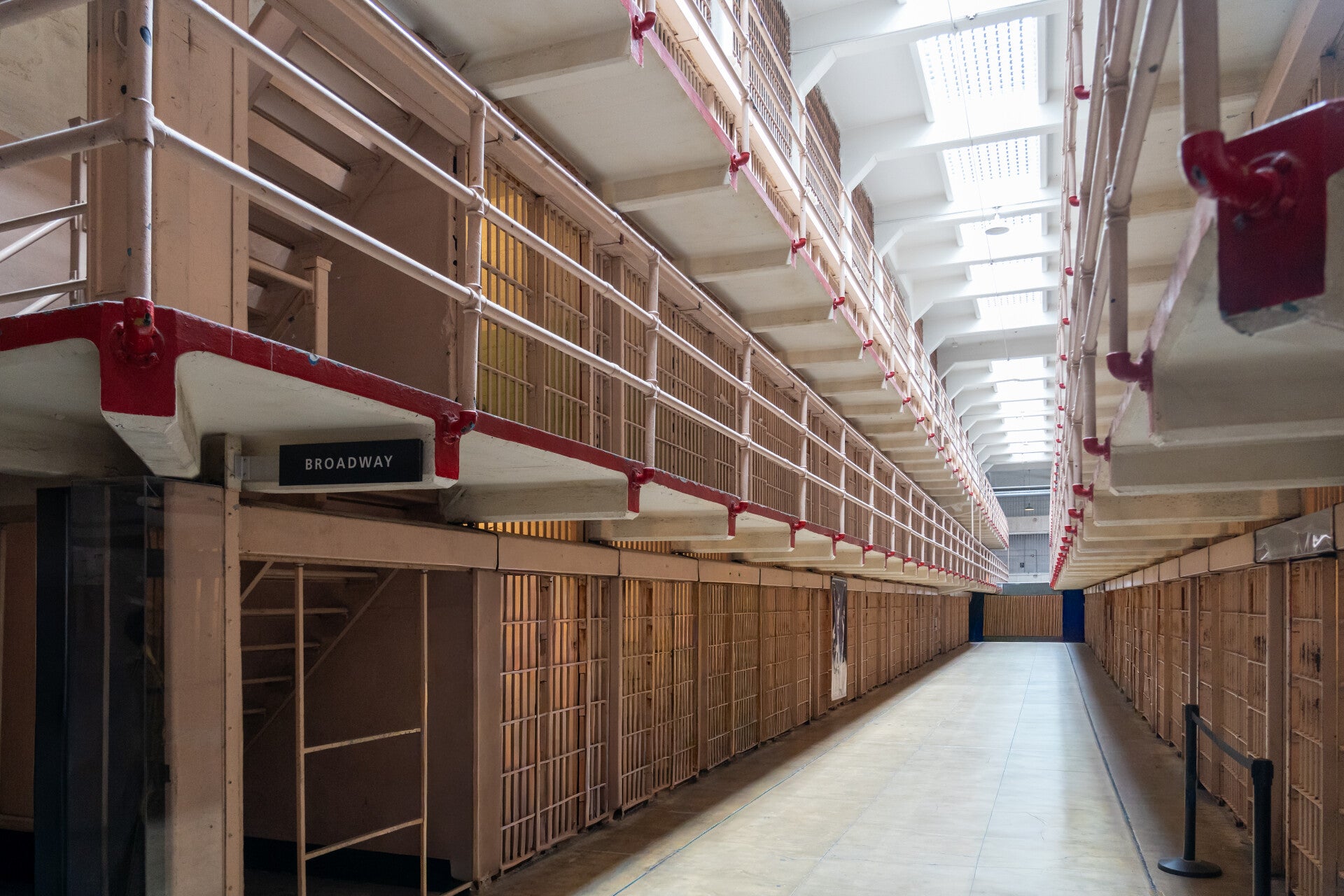
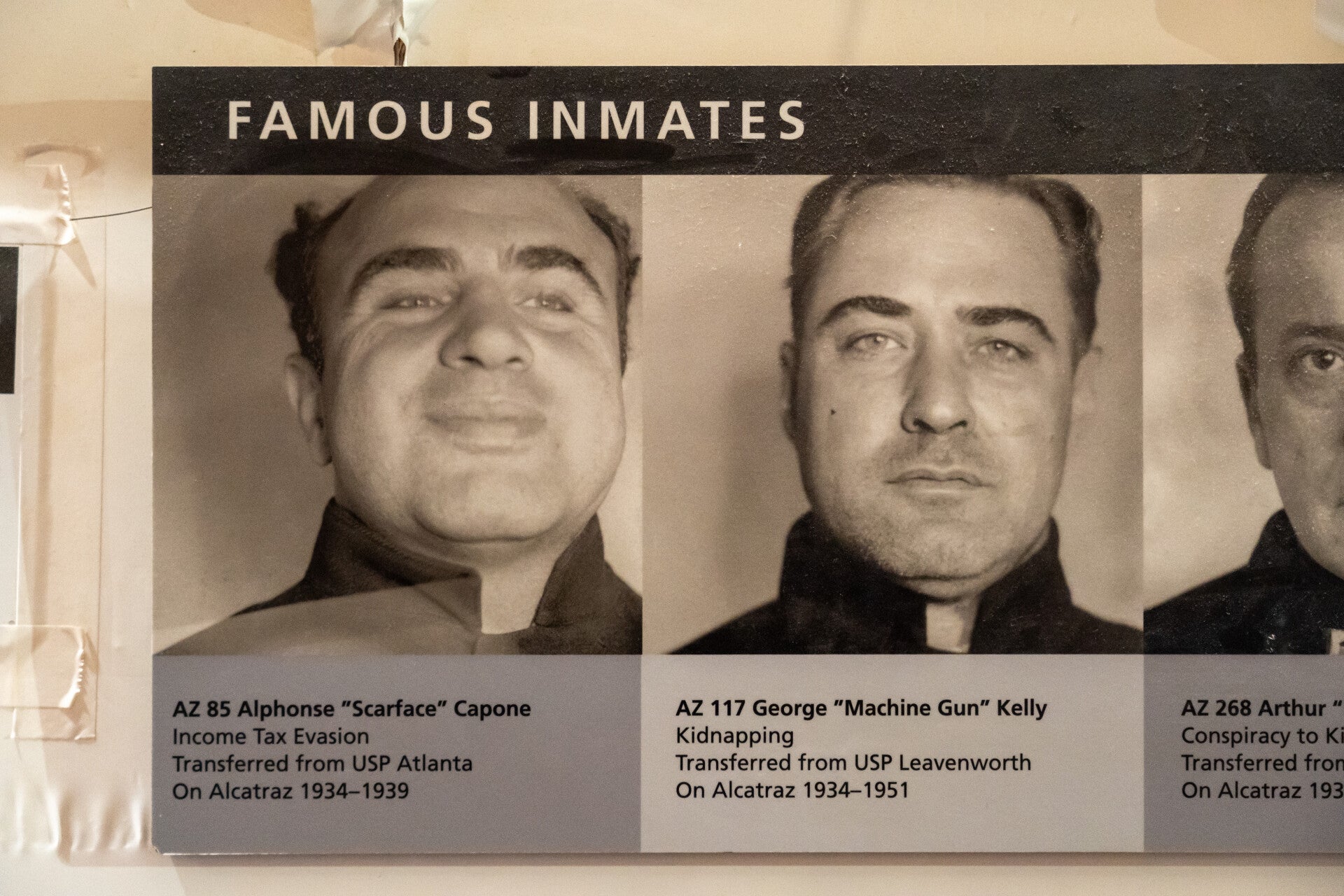
Alcatraz, Al Capone’s prison
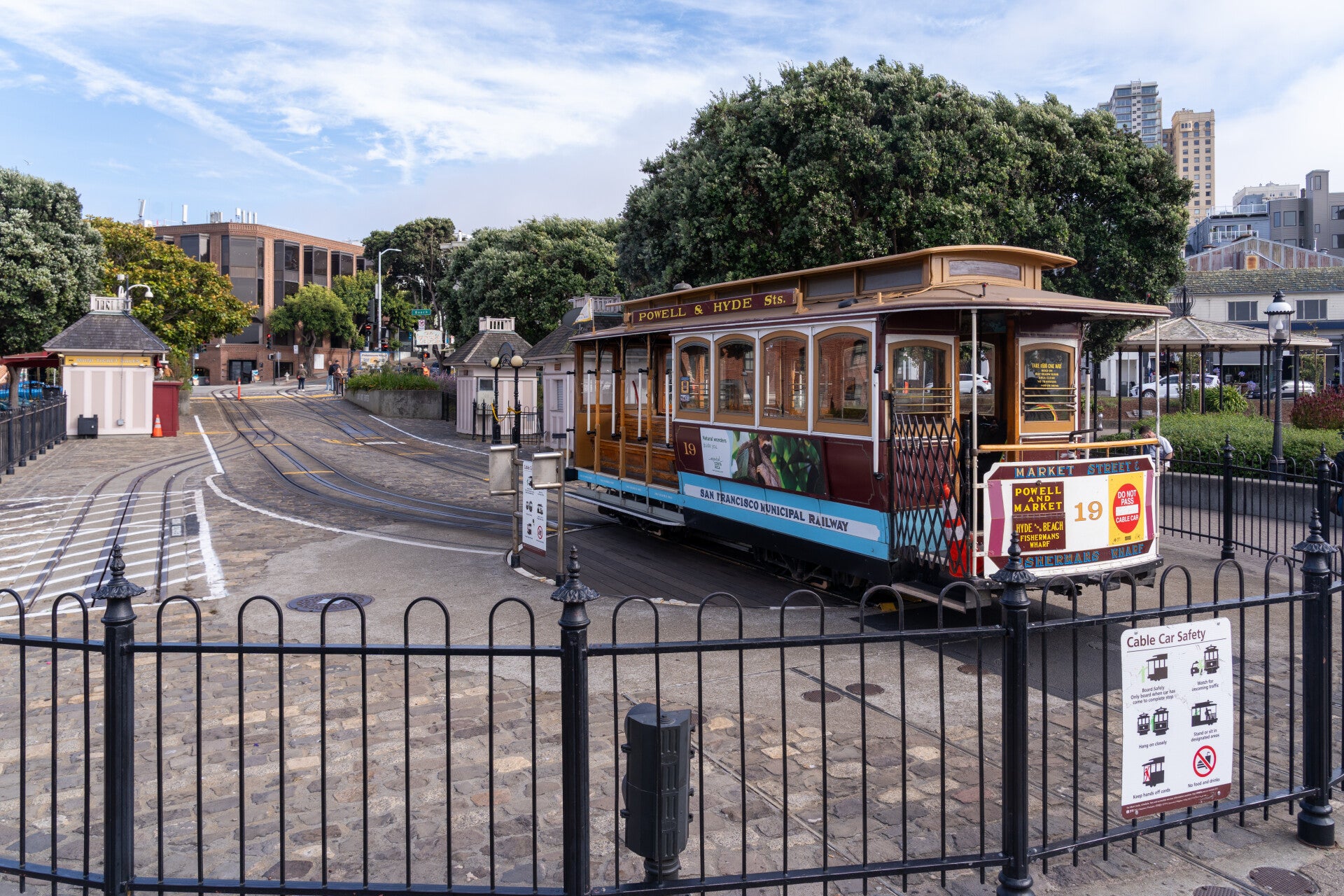
there were many accidents involving the horse-drawn trams
until, in 1885, someone came up with the idea of laying a steel cable beneath the road
where the tram can grip onto
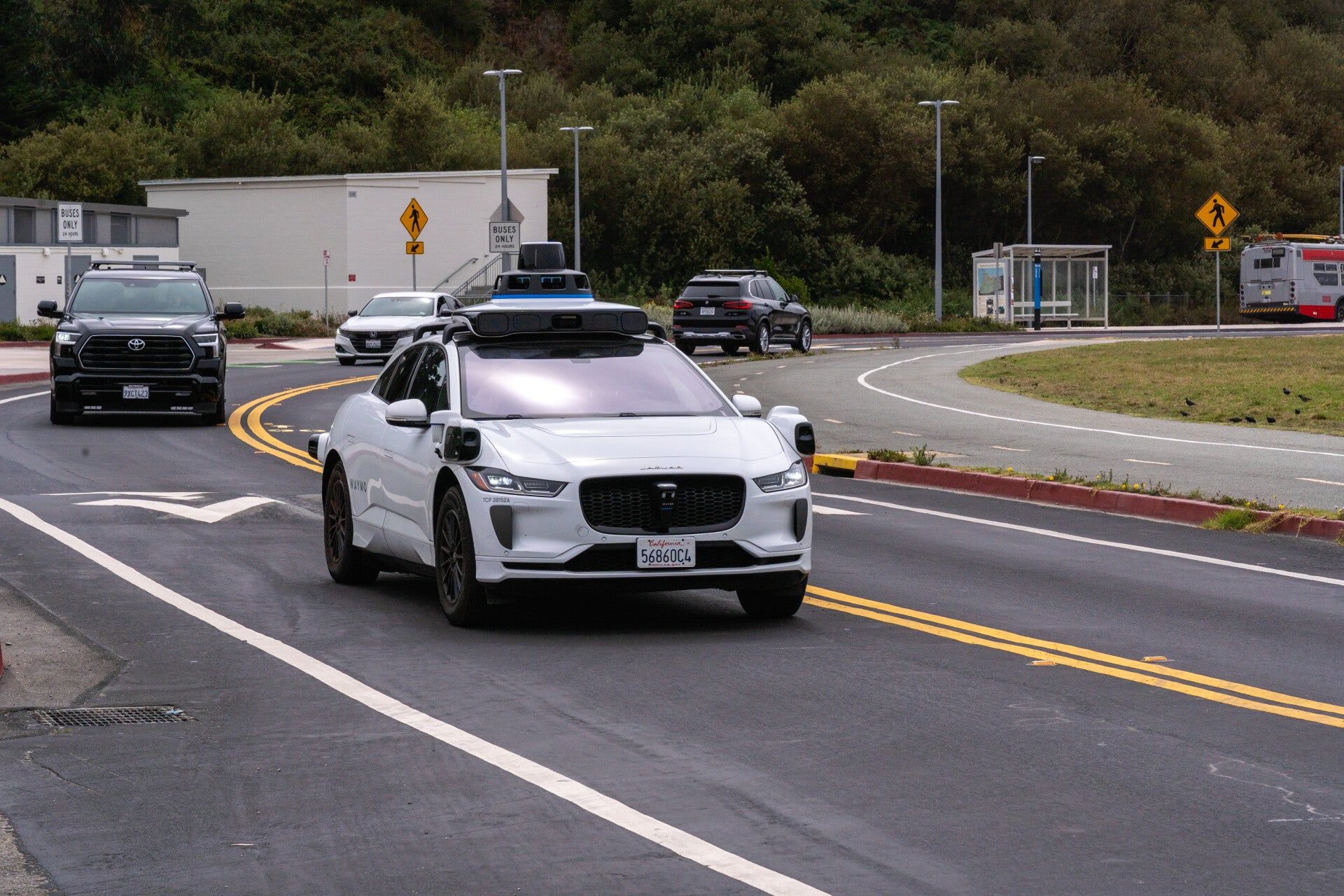
after that, we go for a drive in a self-driving car
the land of extremes
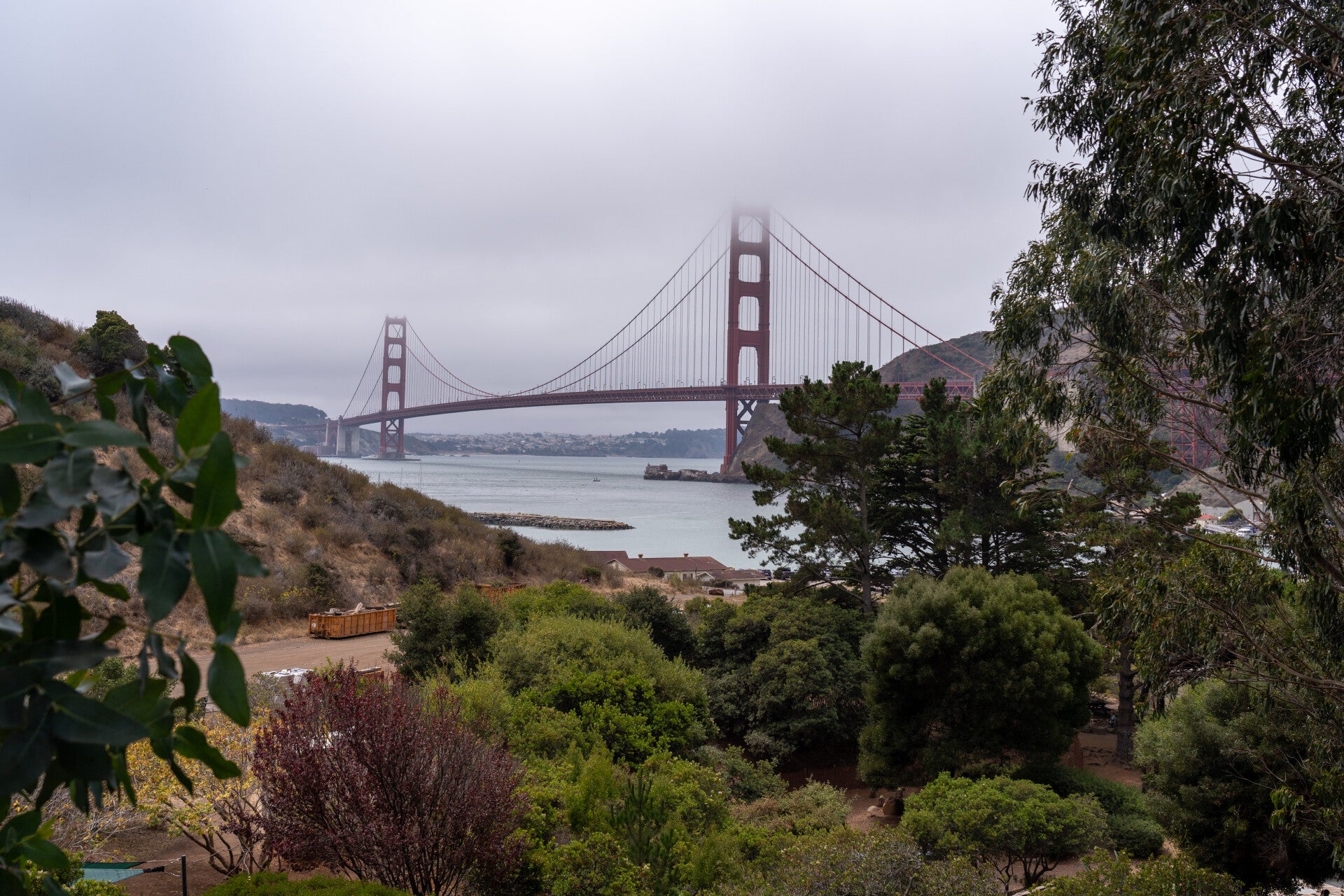
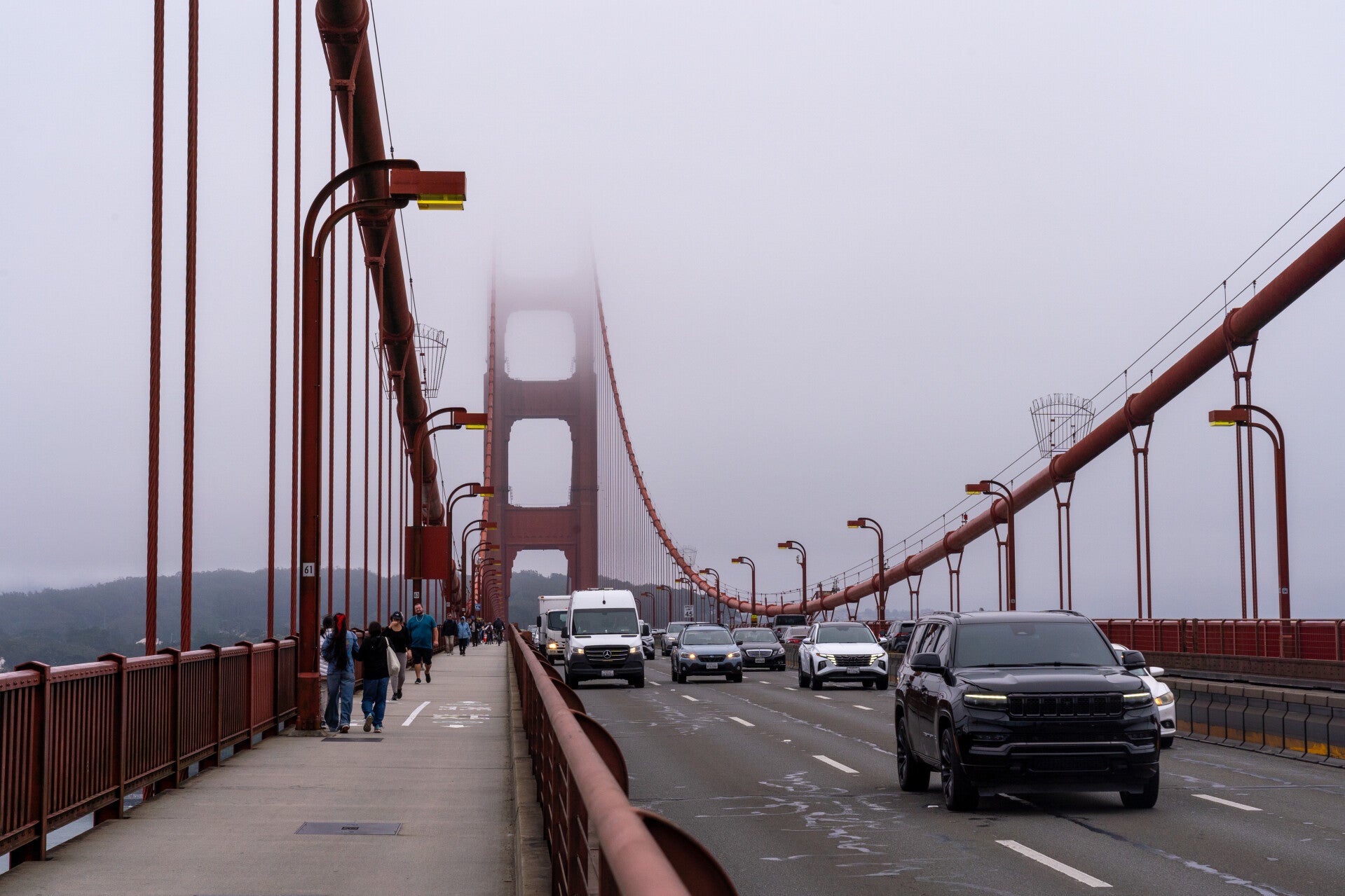
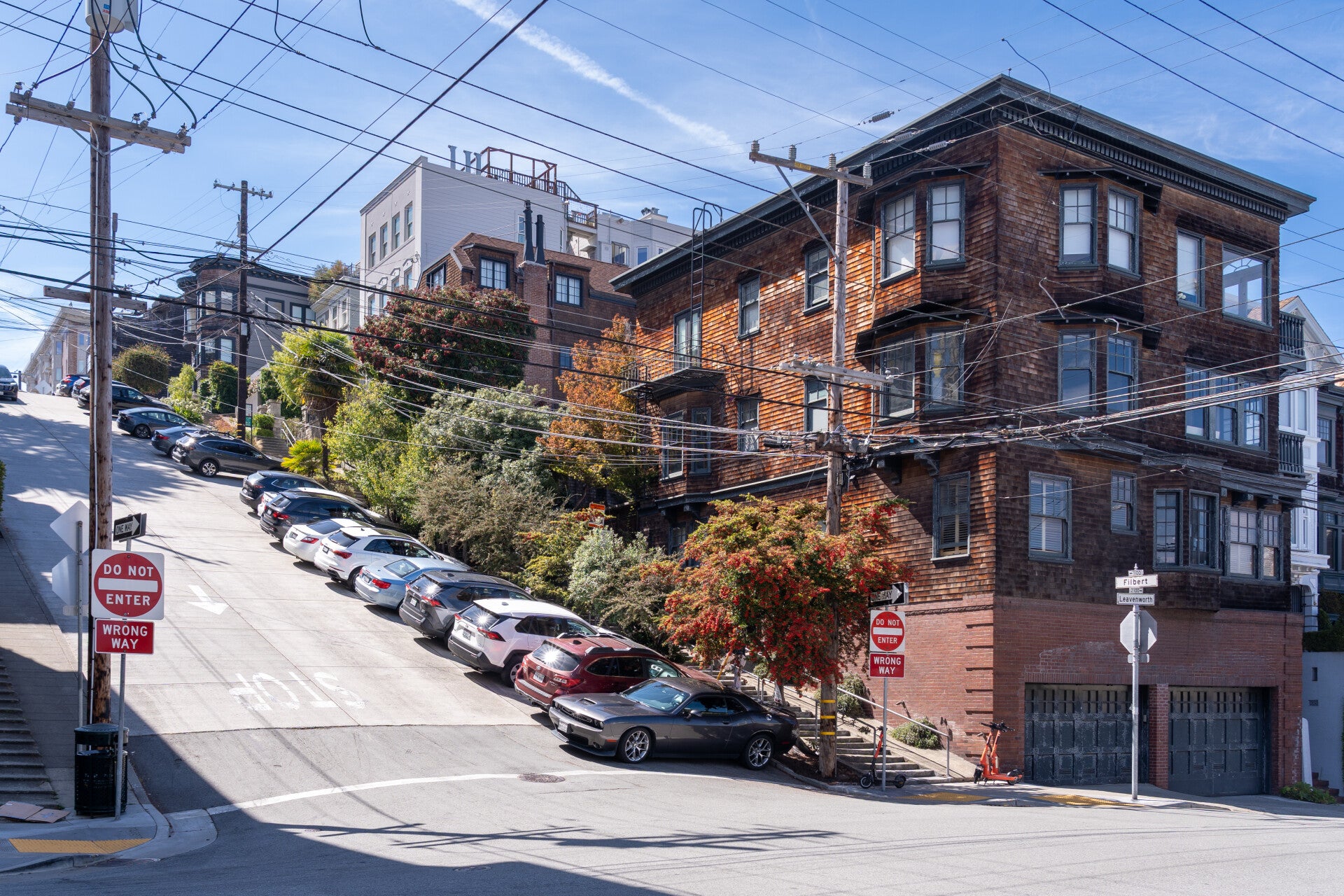
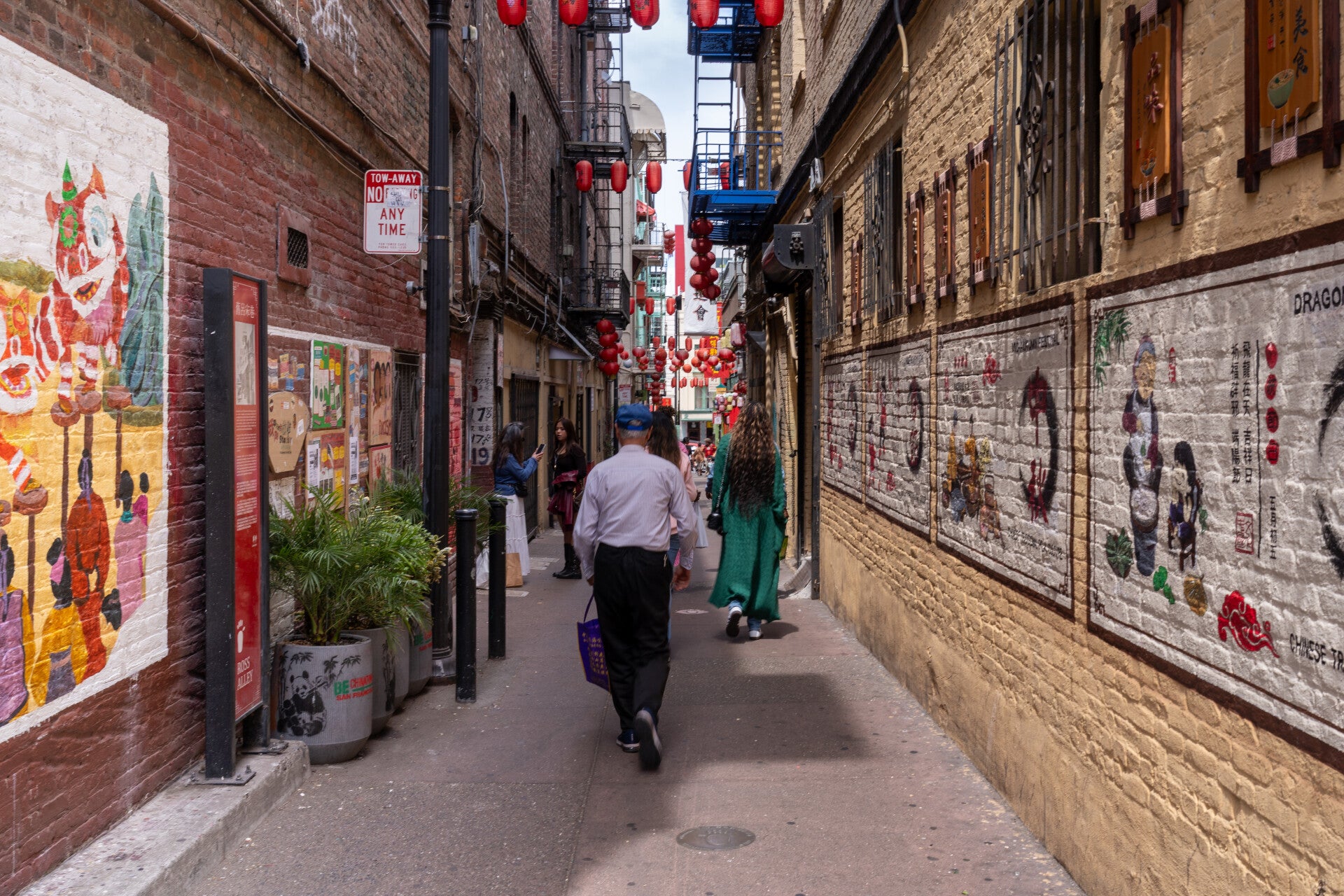
we pick up our car in San Francisco
the bikes are stowed in the back
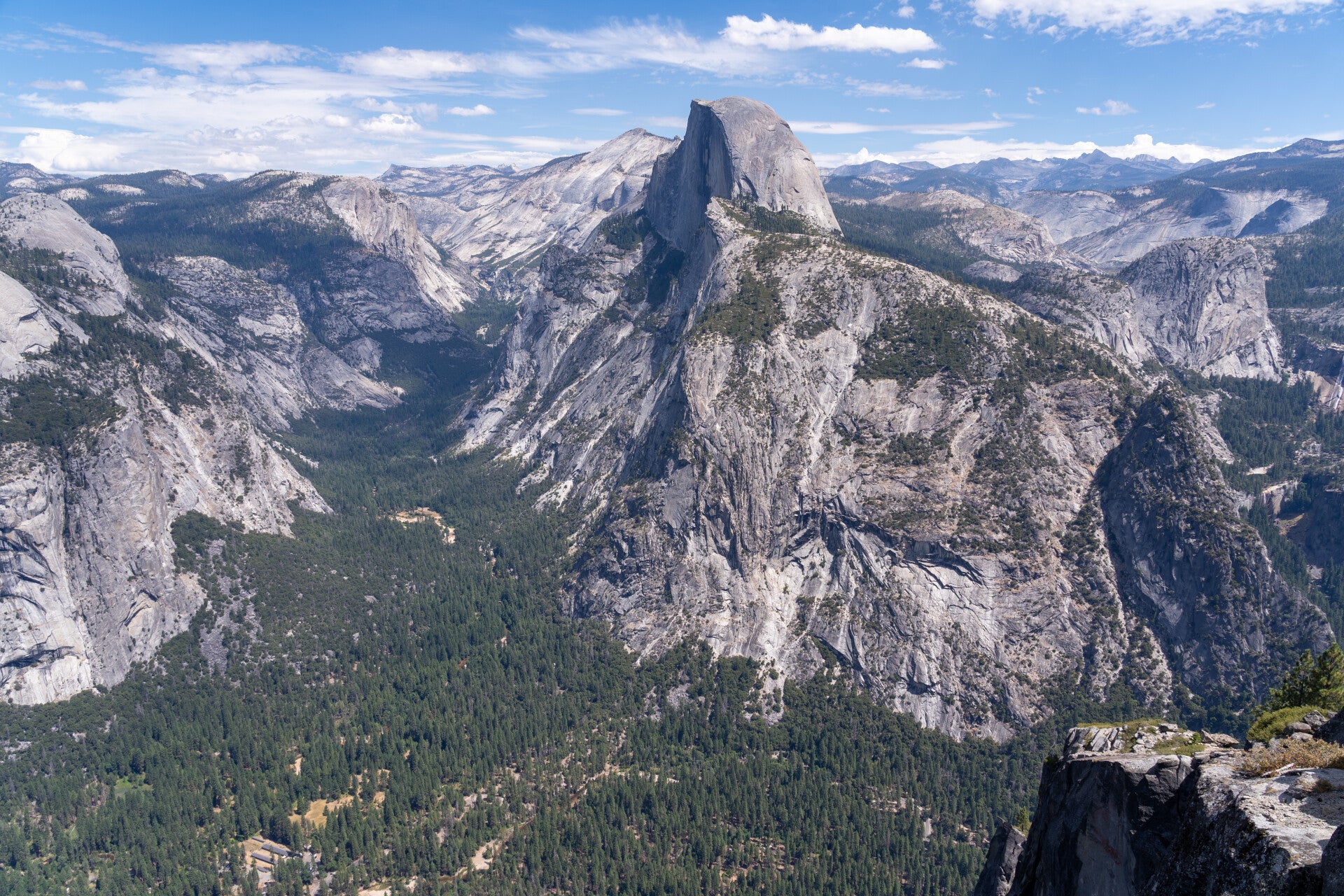
Yosemite
the bases of volcanoes have risen to the surface
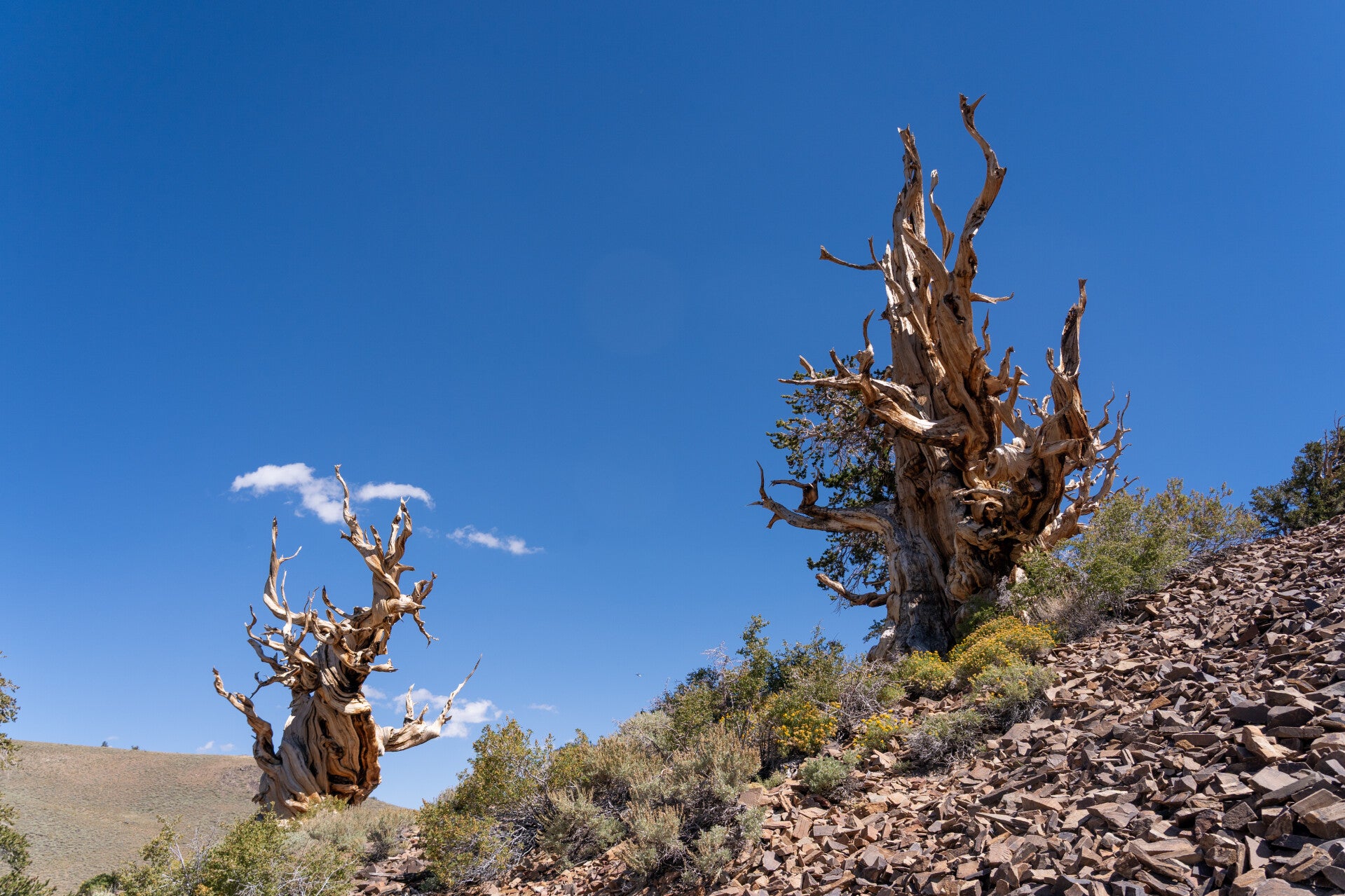
Ancient Bristlecone Pine Forest
trees that are 5000 years old grow at altitudes of over 3000 metres
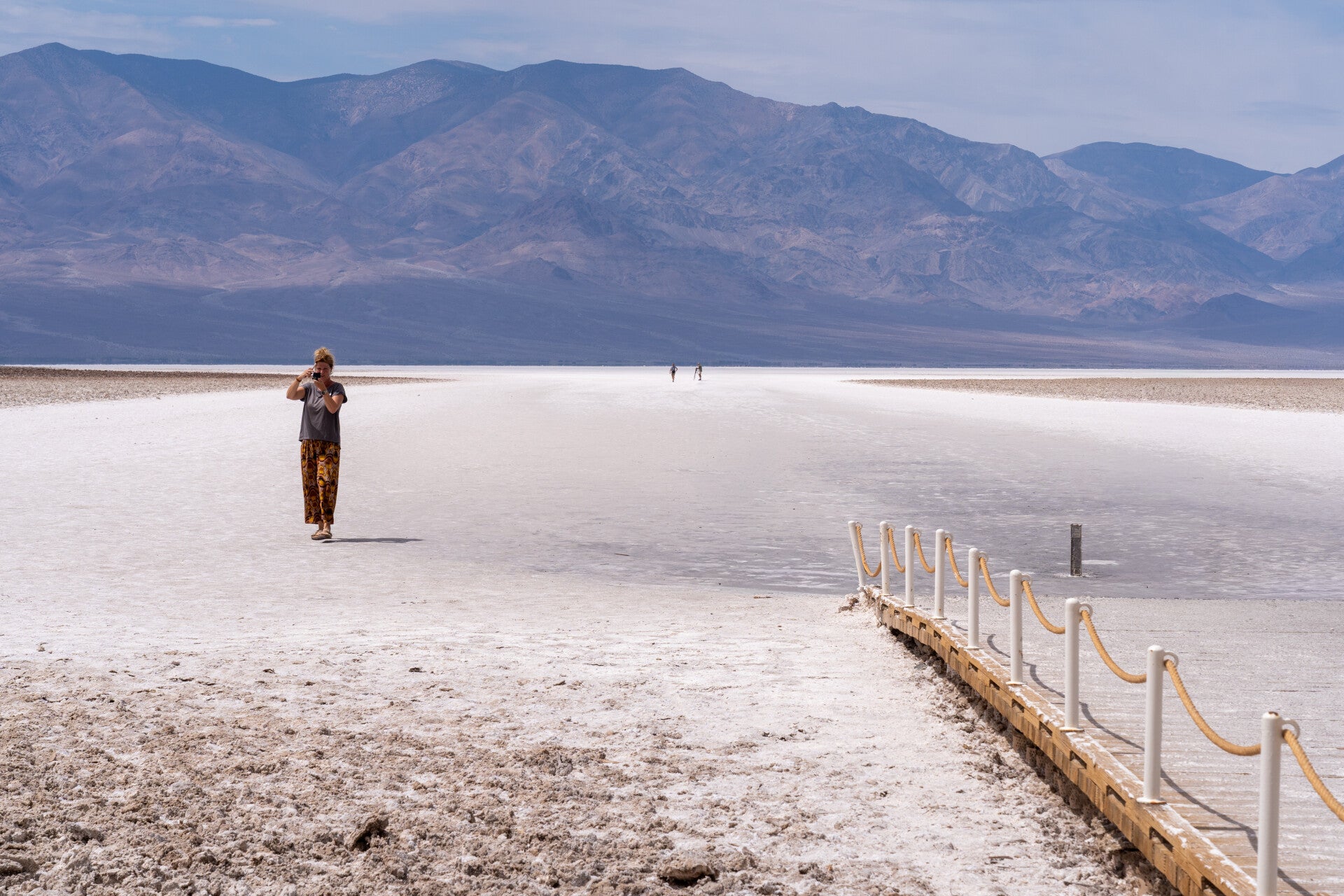
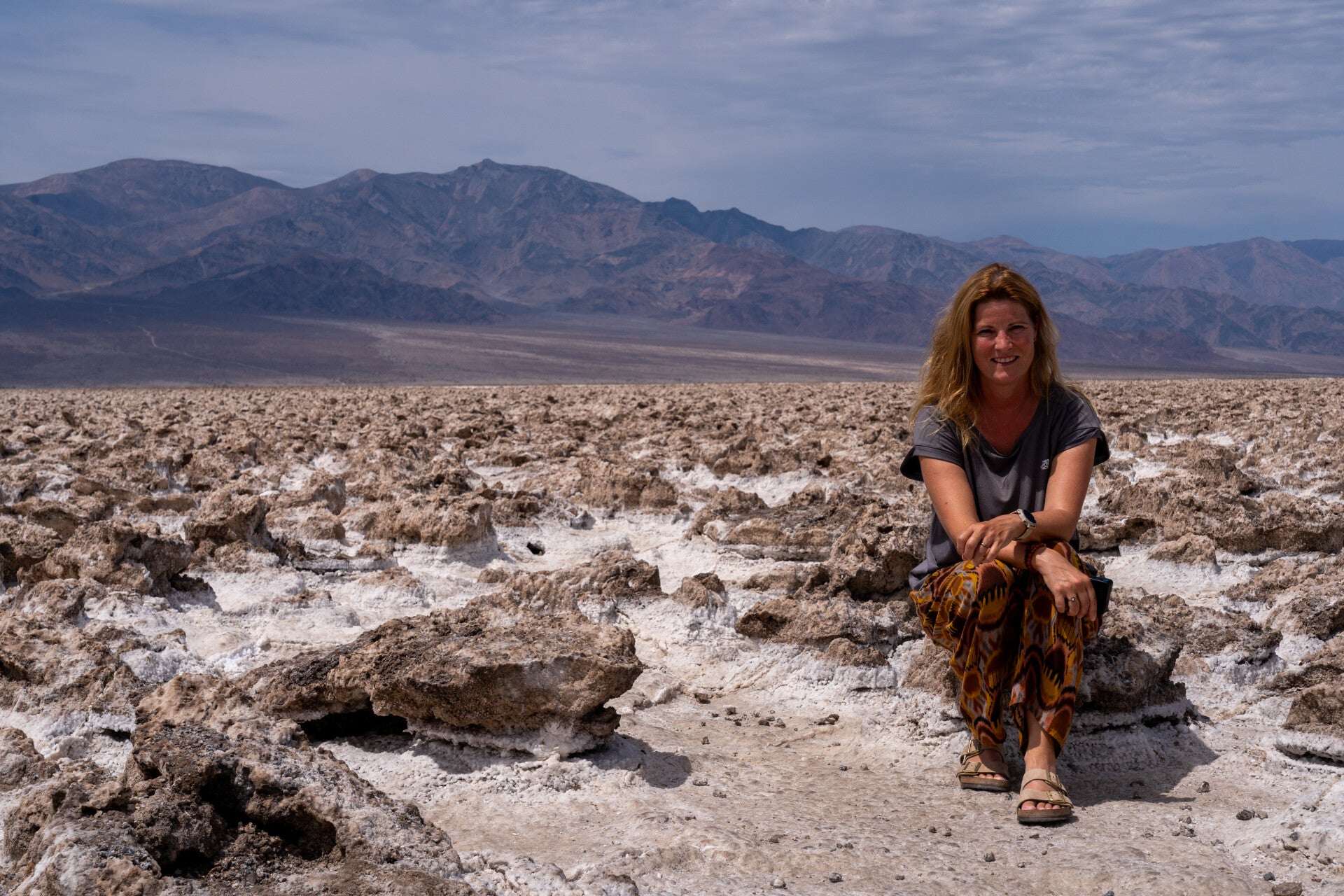
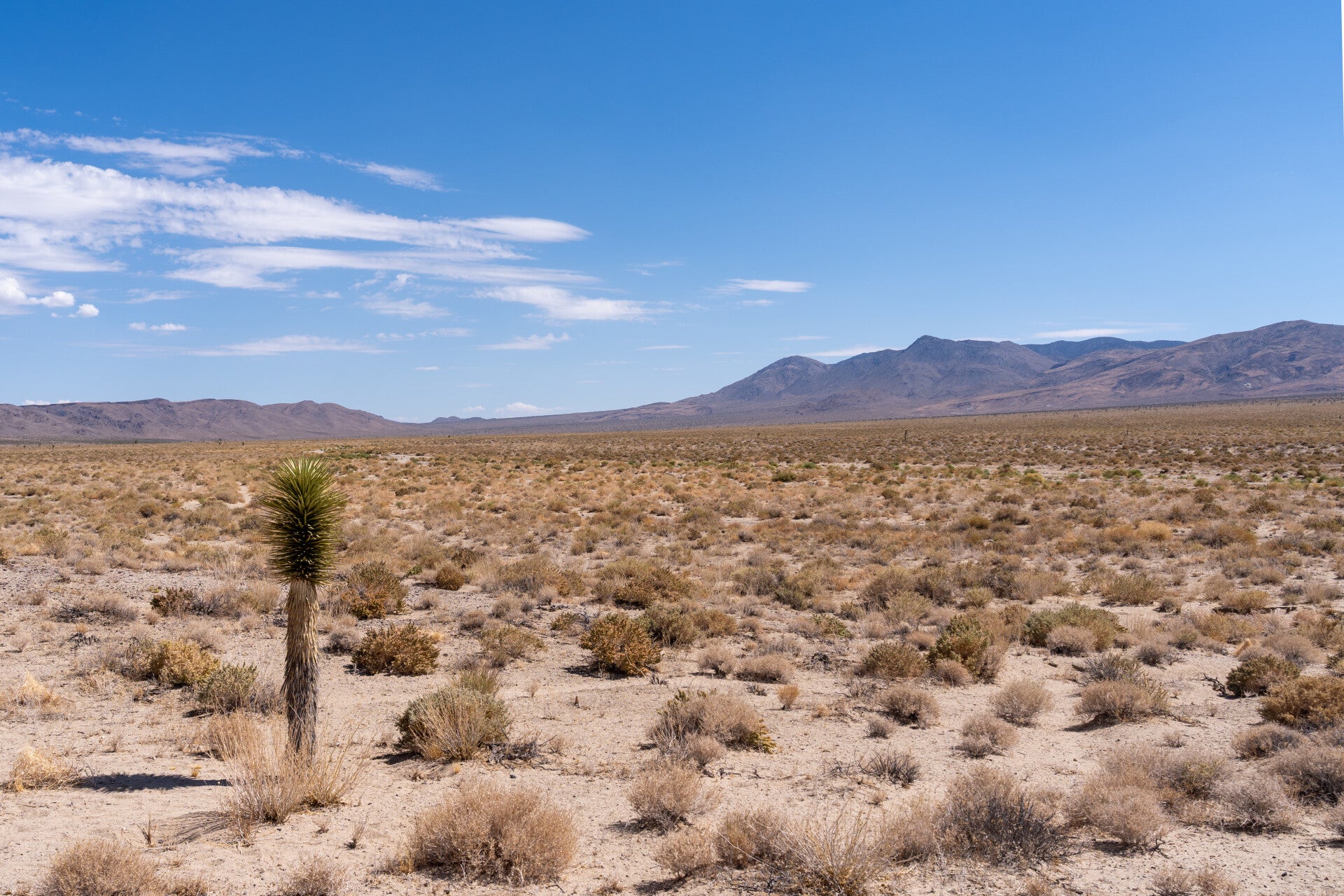
Death Valley
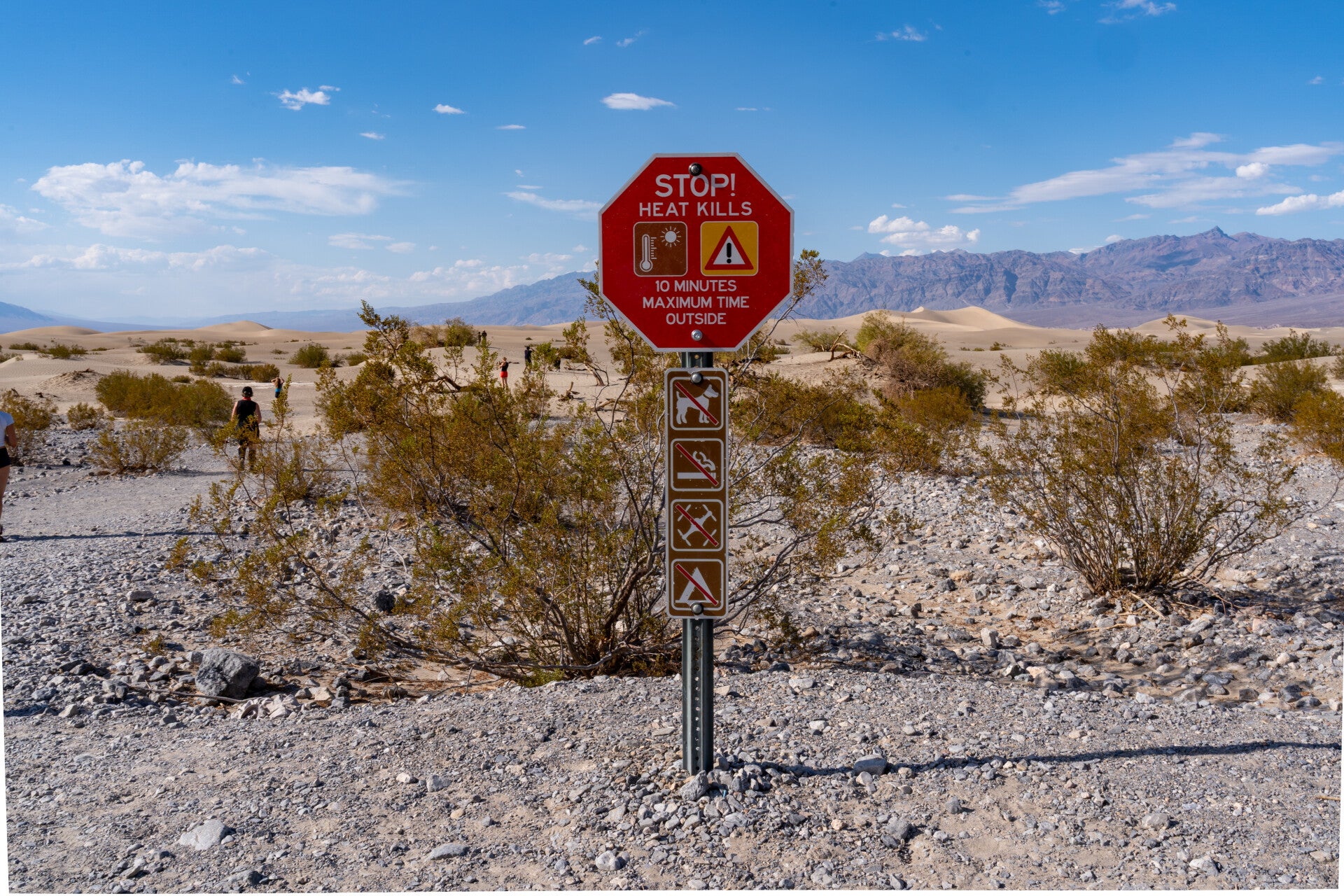
51 degrees Celsius
Las Vegas
a journey through time, from old neon lights to the 4D film in The Sphere
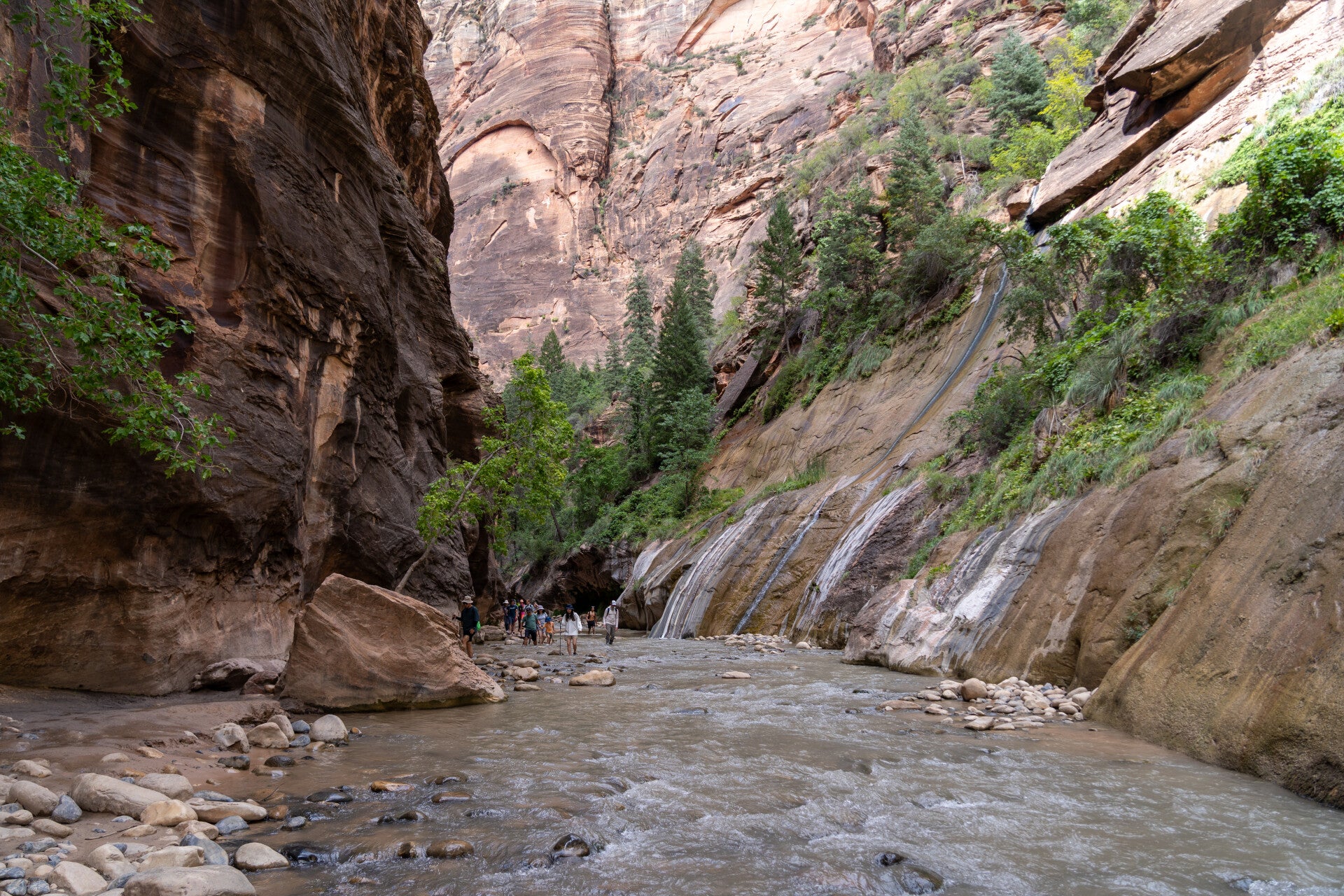
Zion
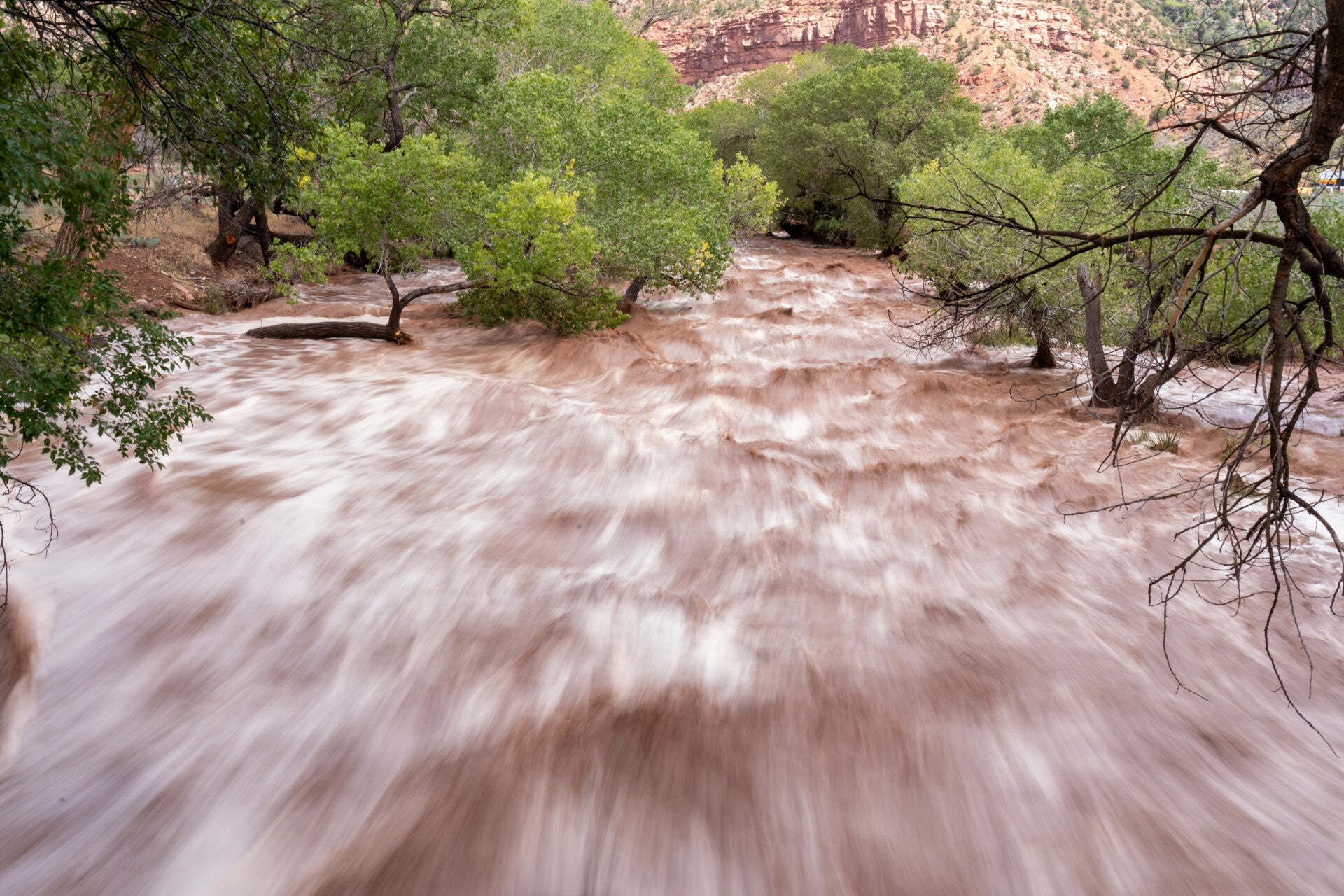
experiencing a flash flood
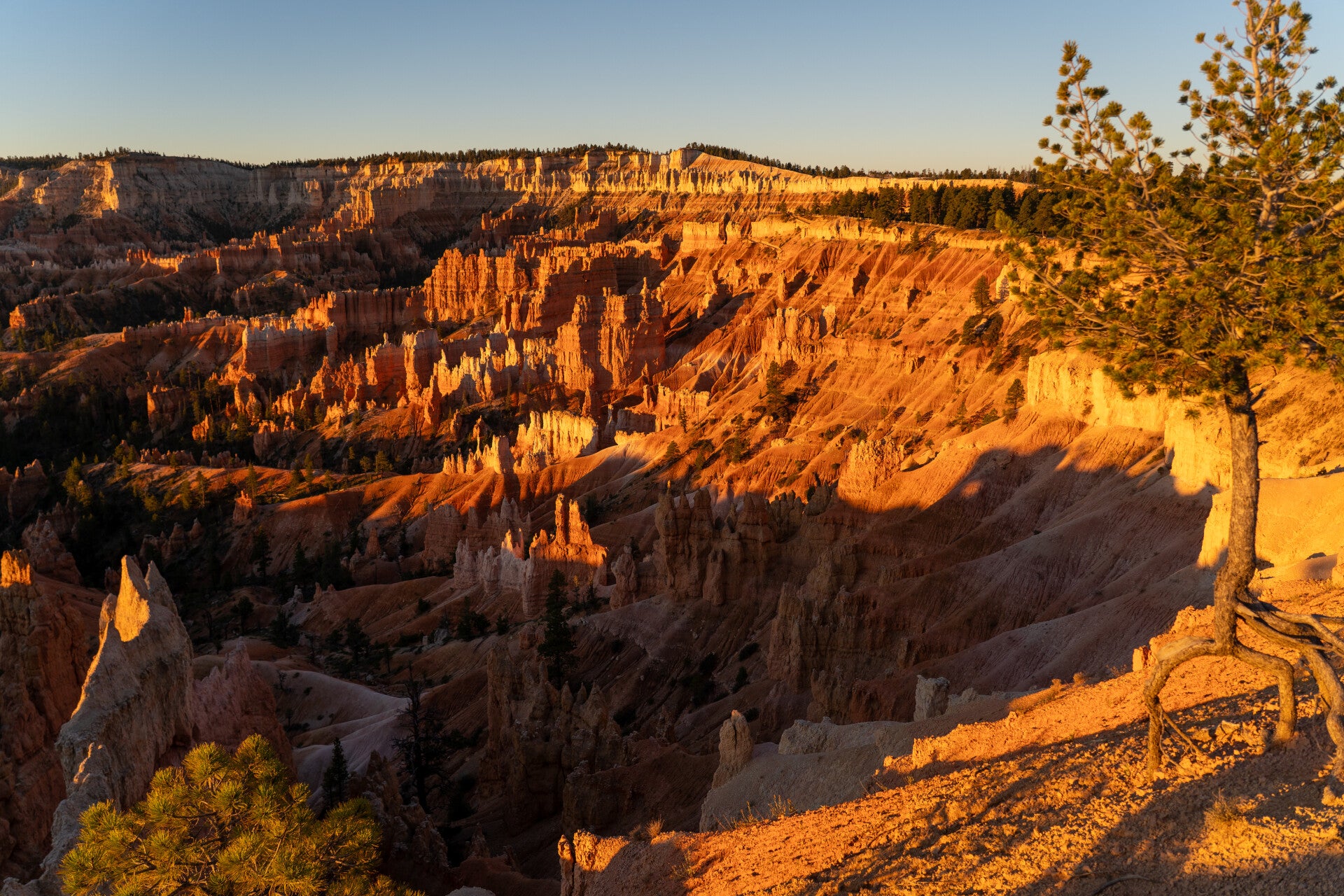
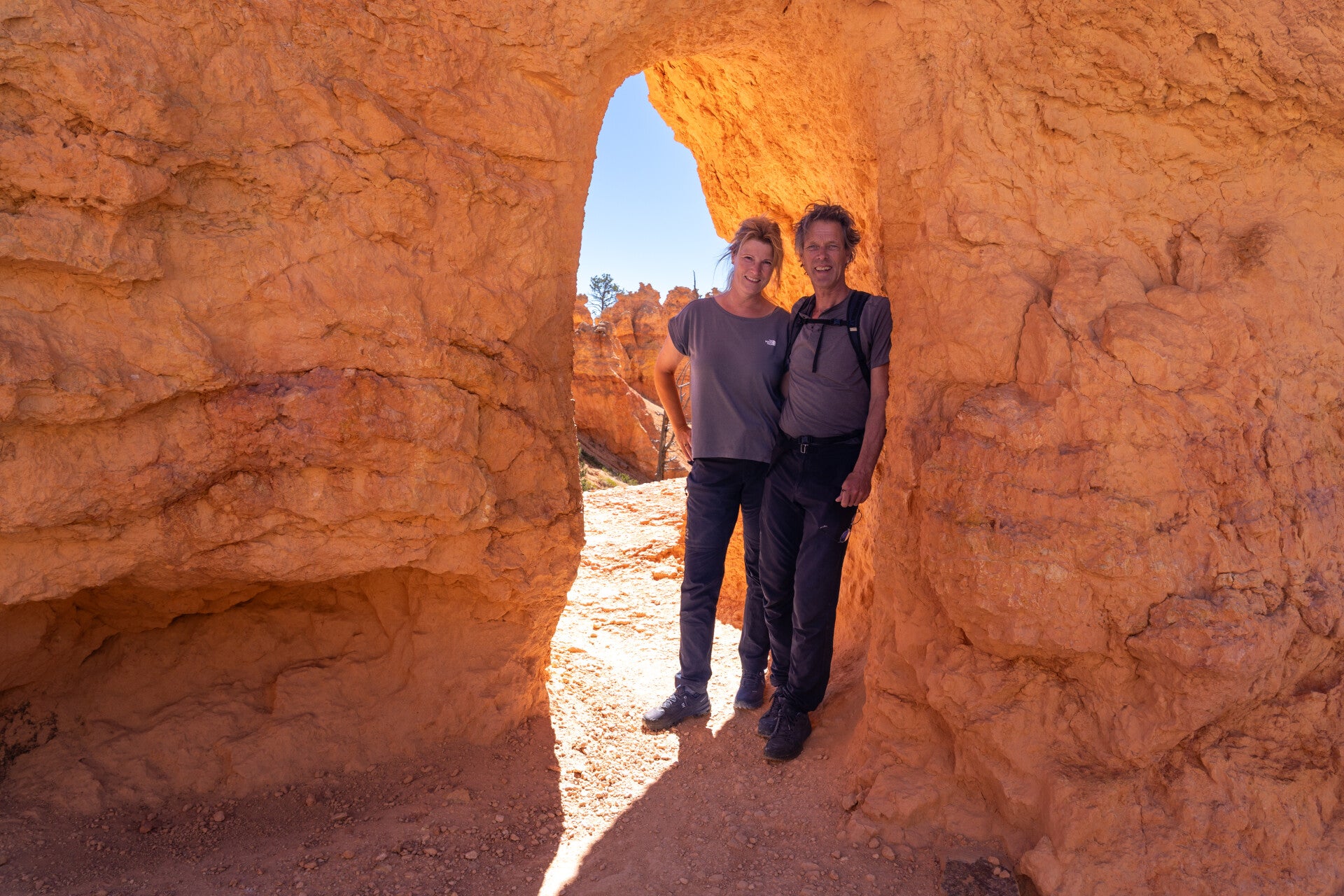
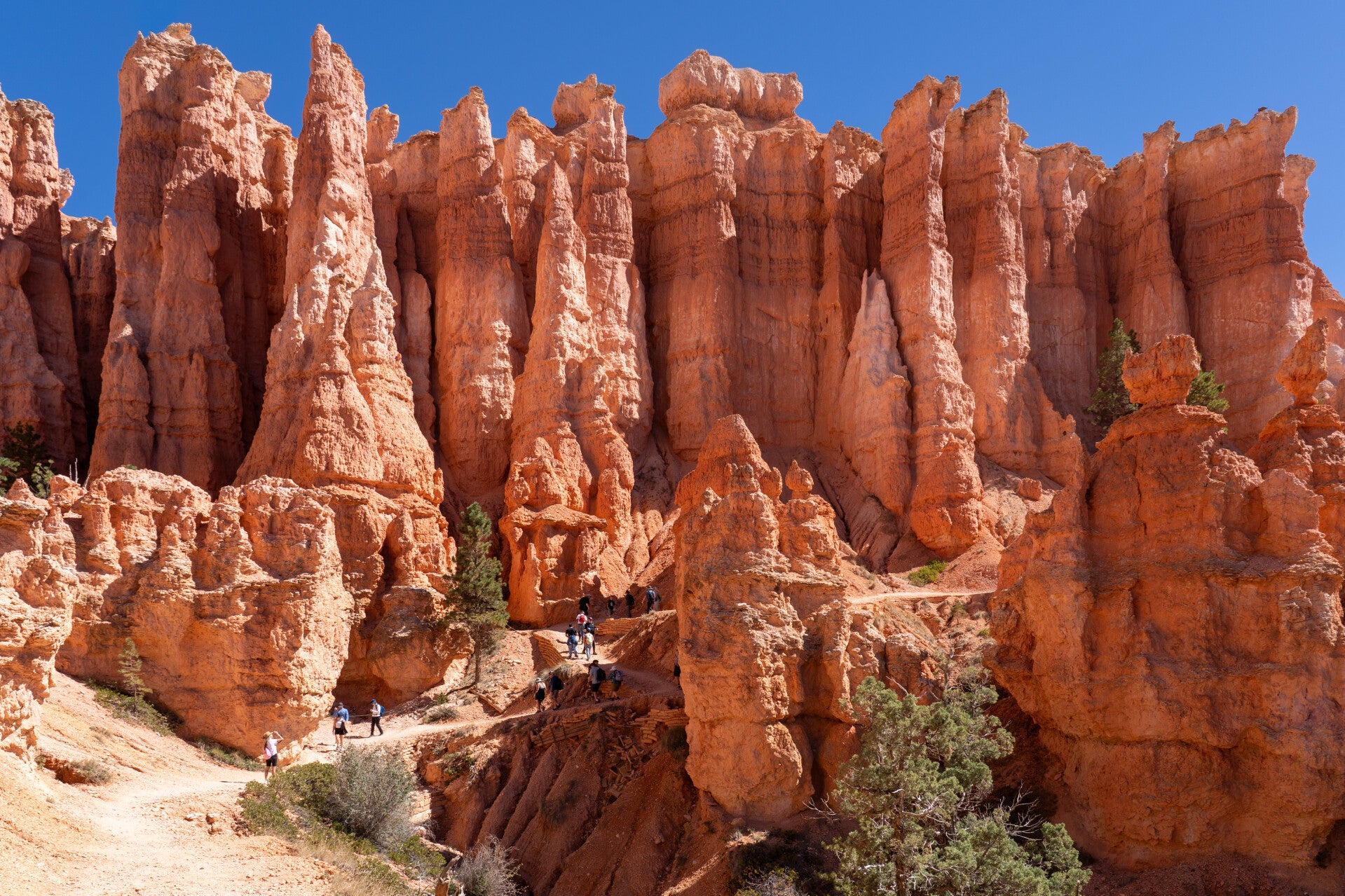
Bryce
hoodoos, pillars of soft rock
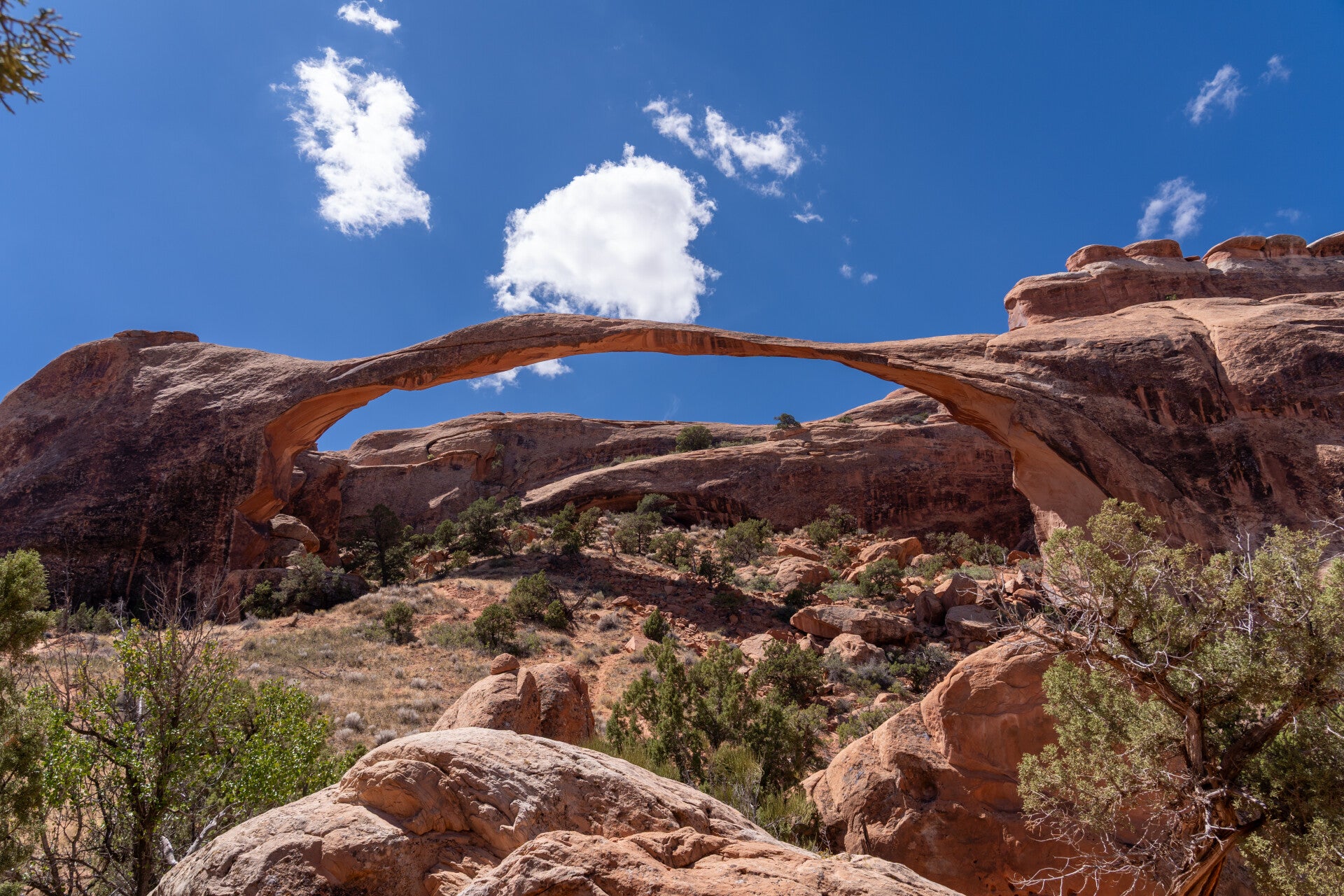
Arches
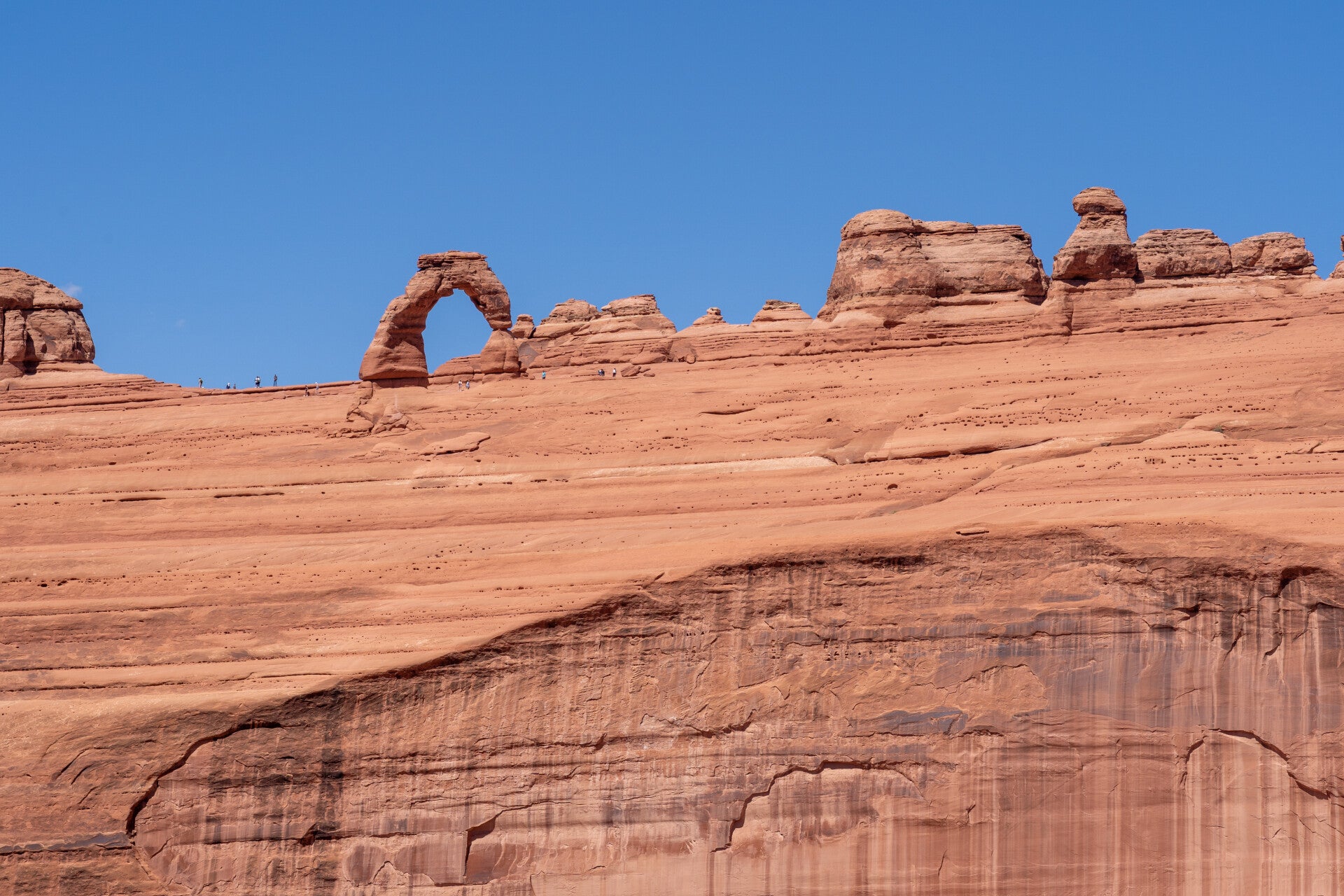
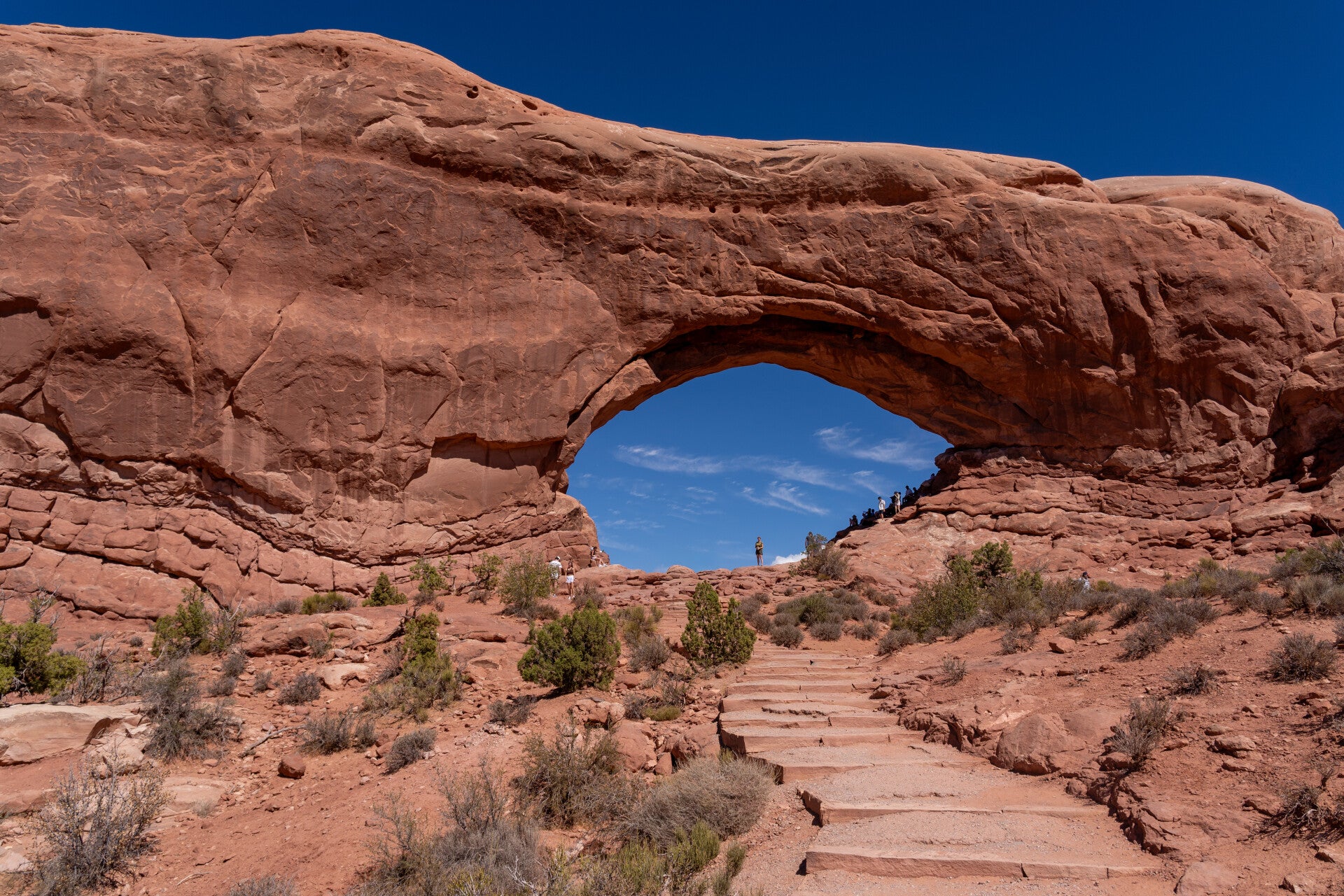
huge stone arches
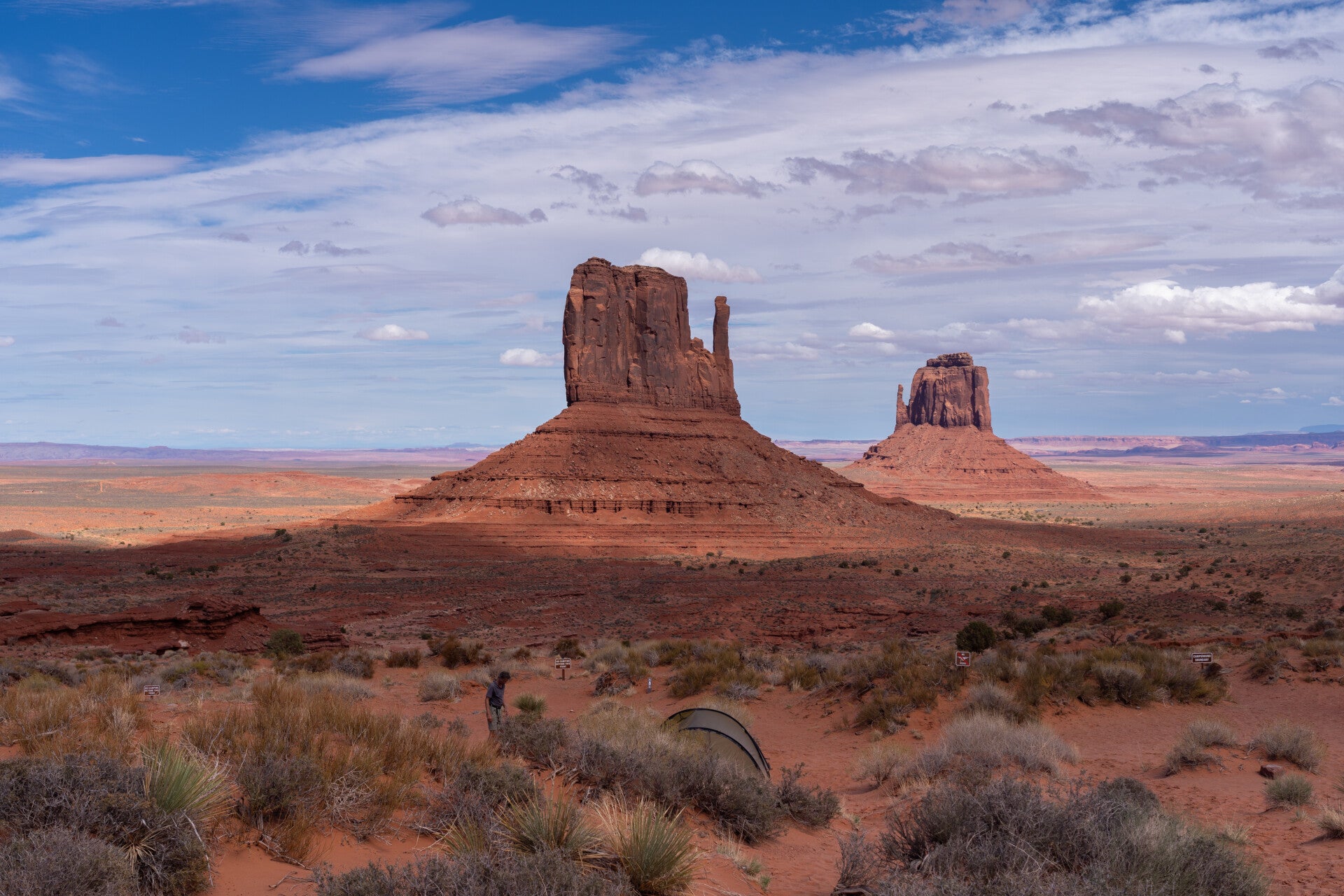
Monument Valley
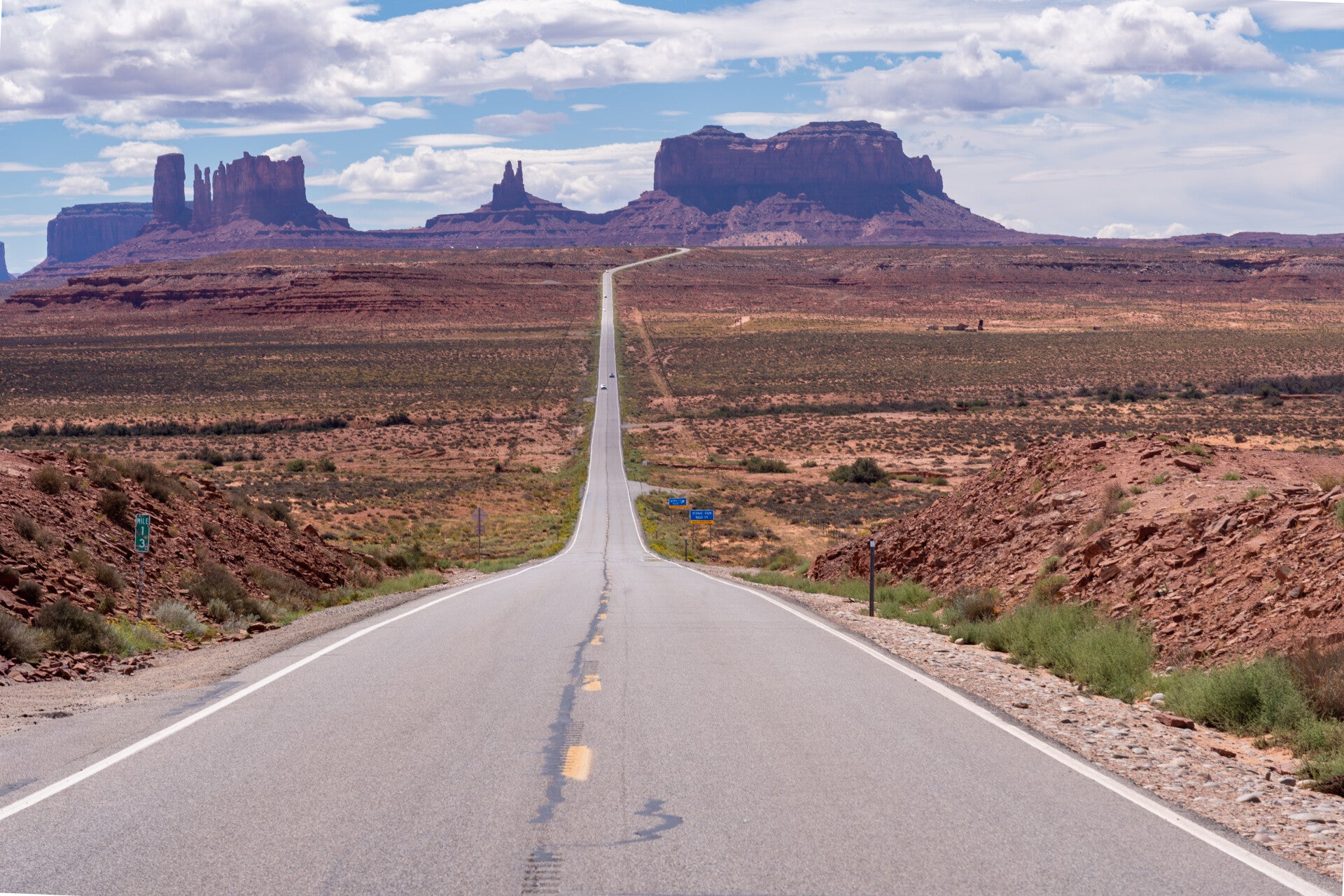
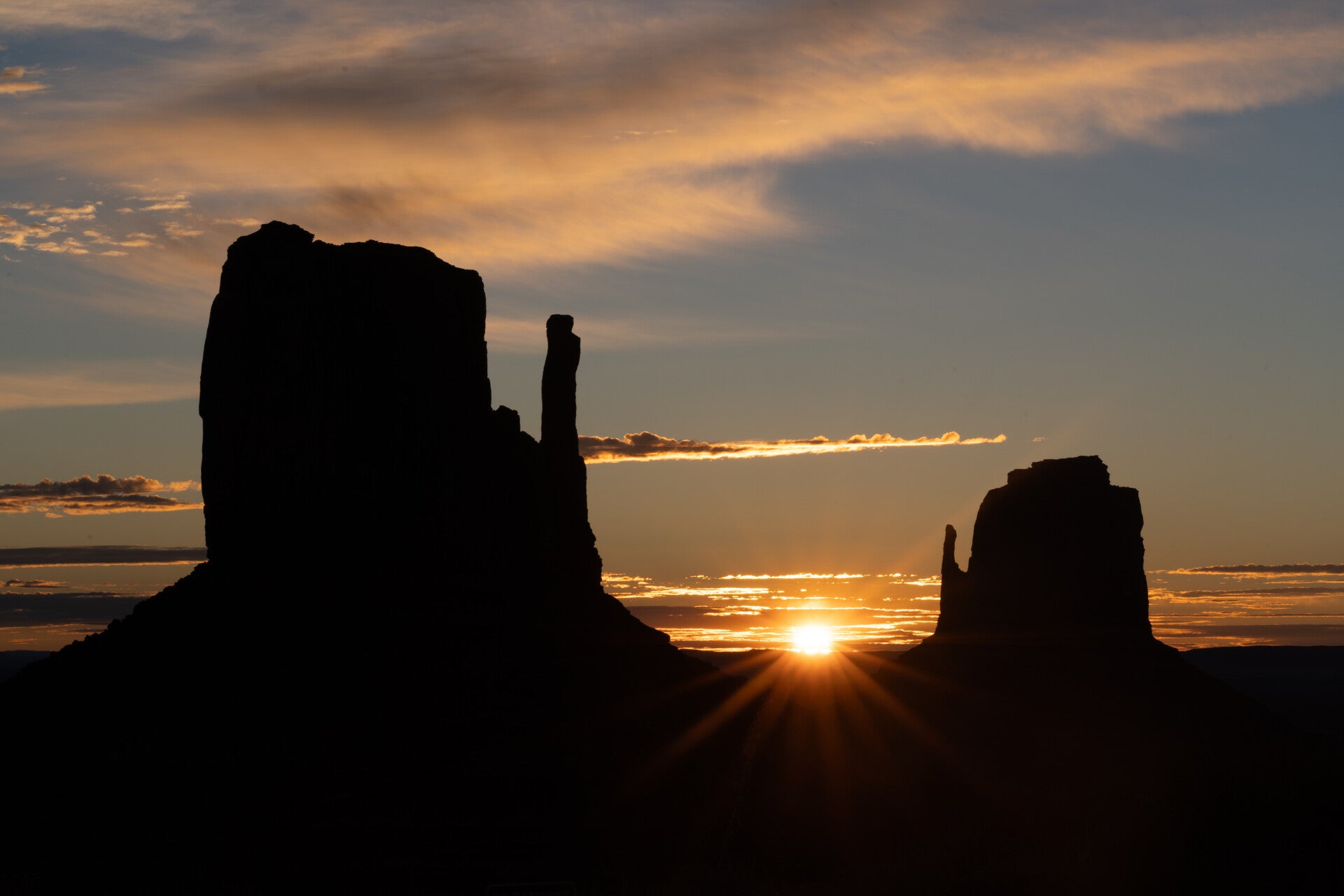
iconic rock formations
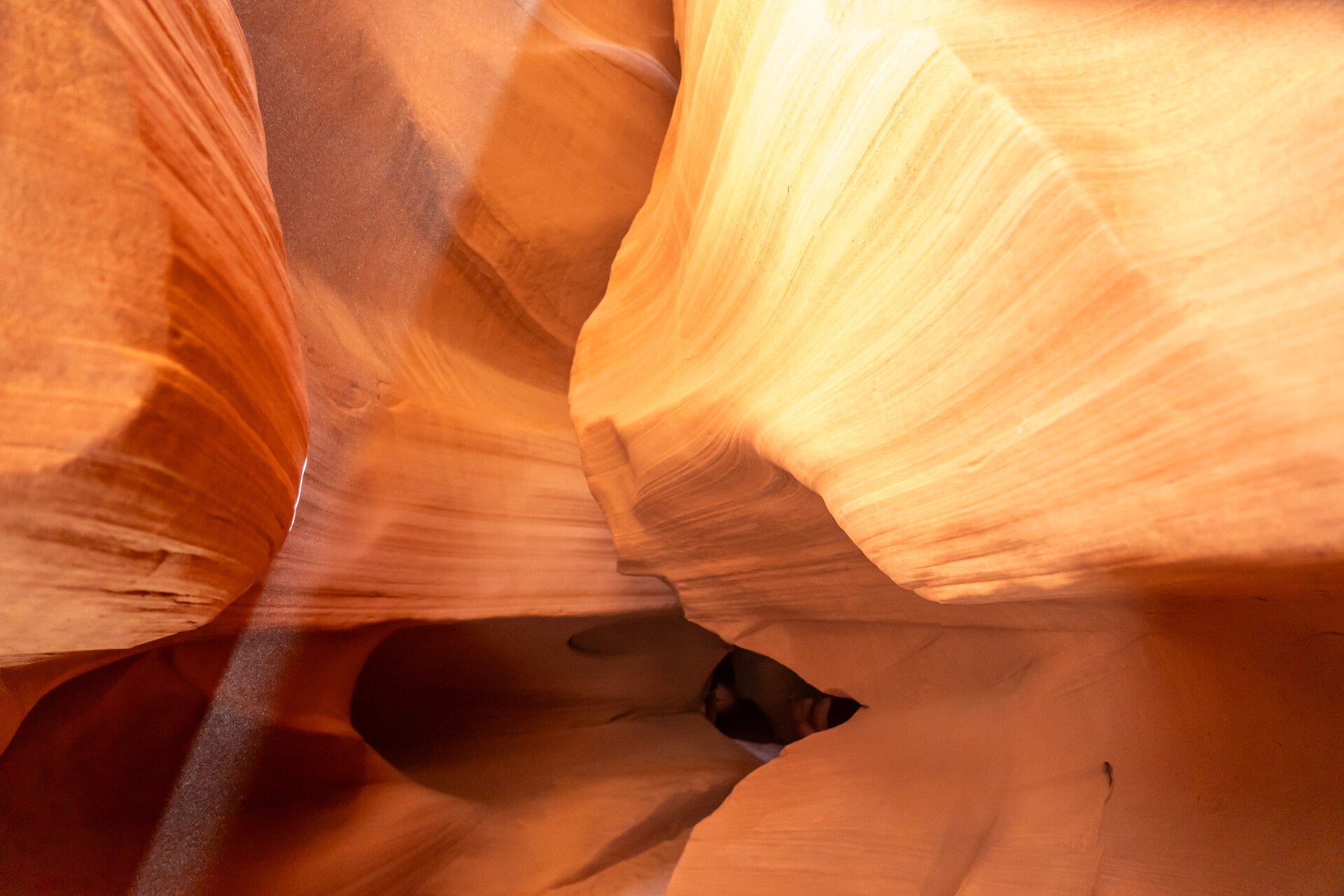
Antelope Canyon
a magical display of colour
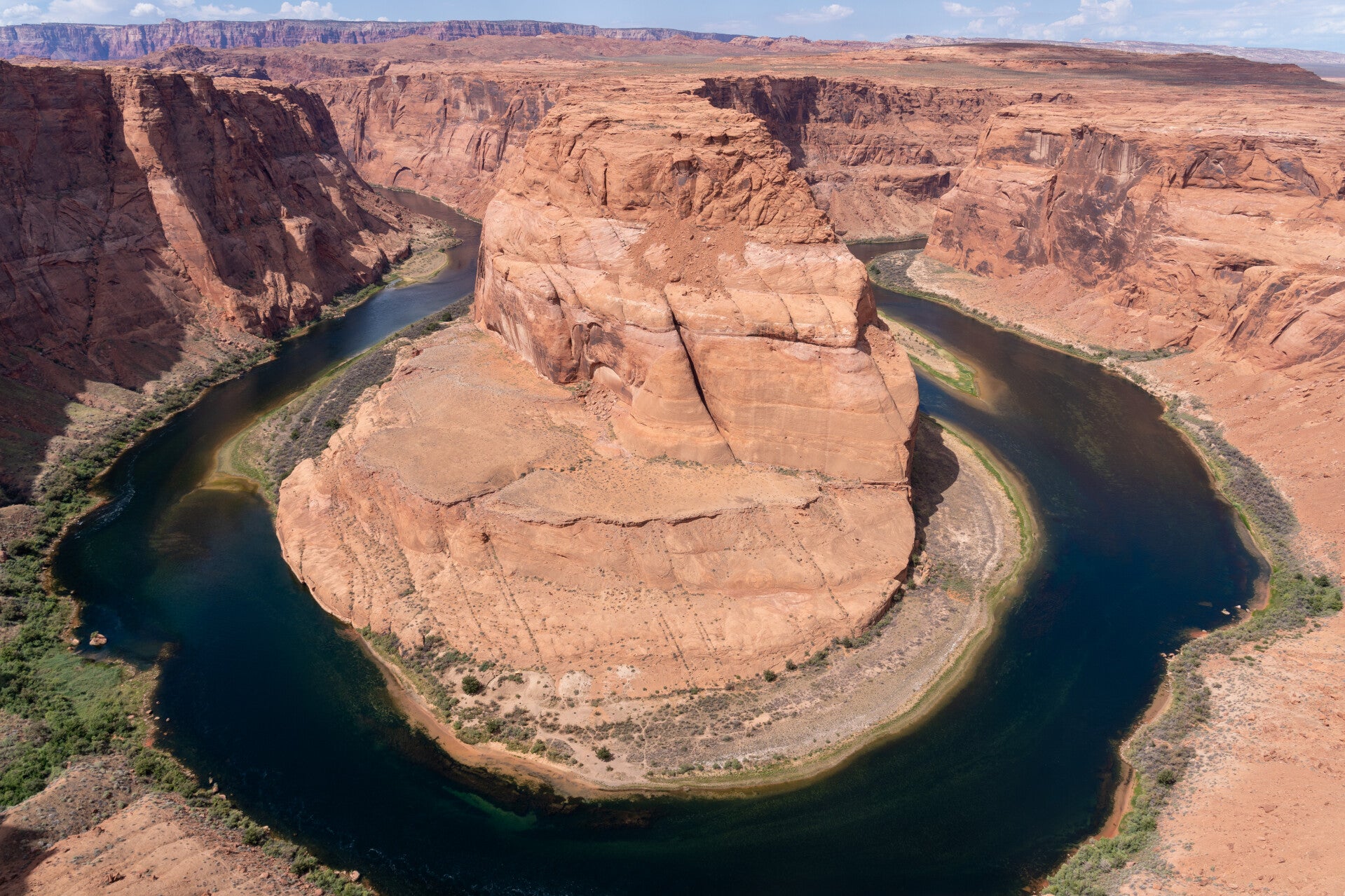
Horseshoe Bend
a meander in the Colorado River
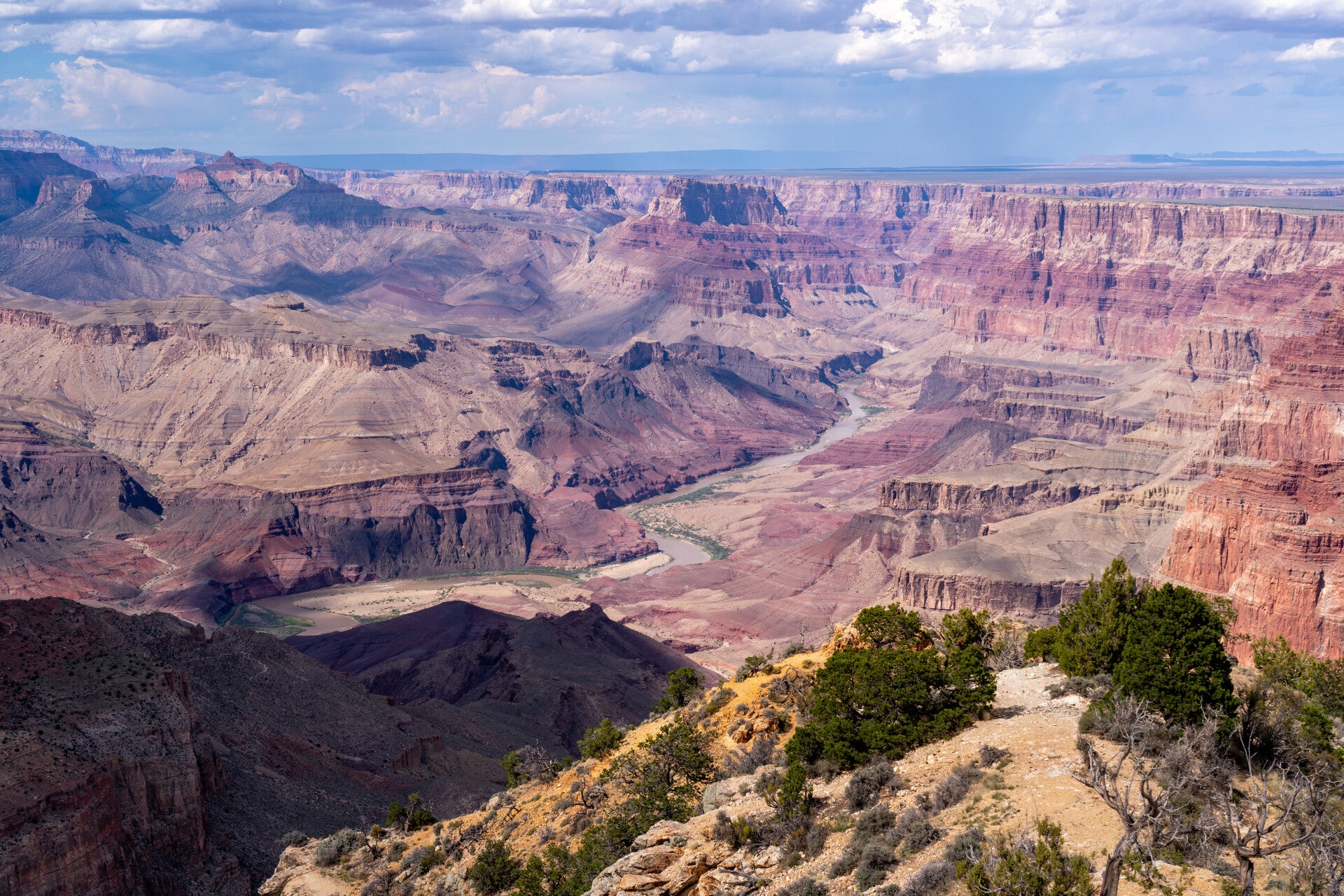
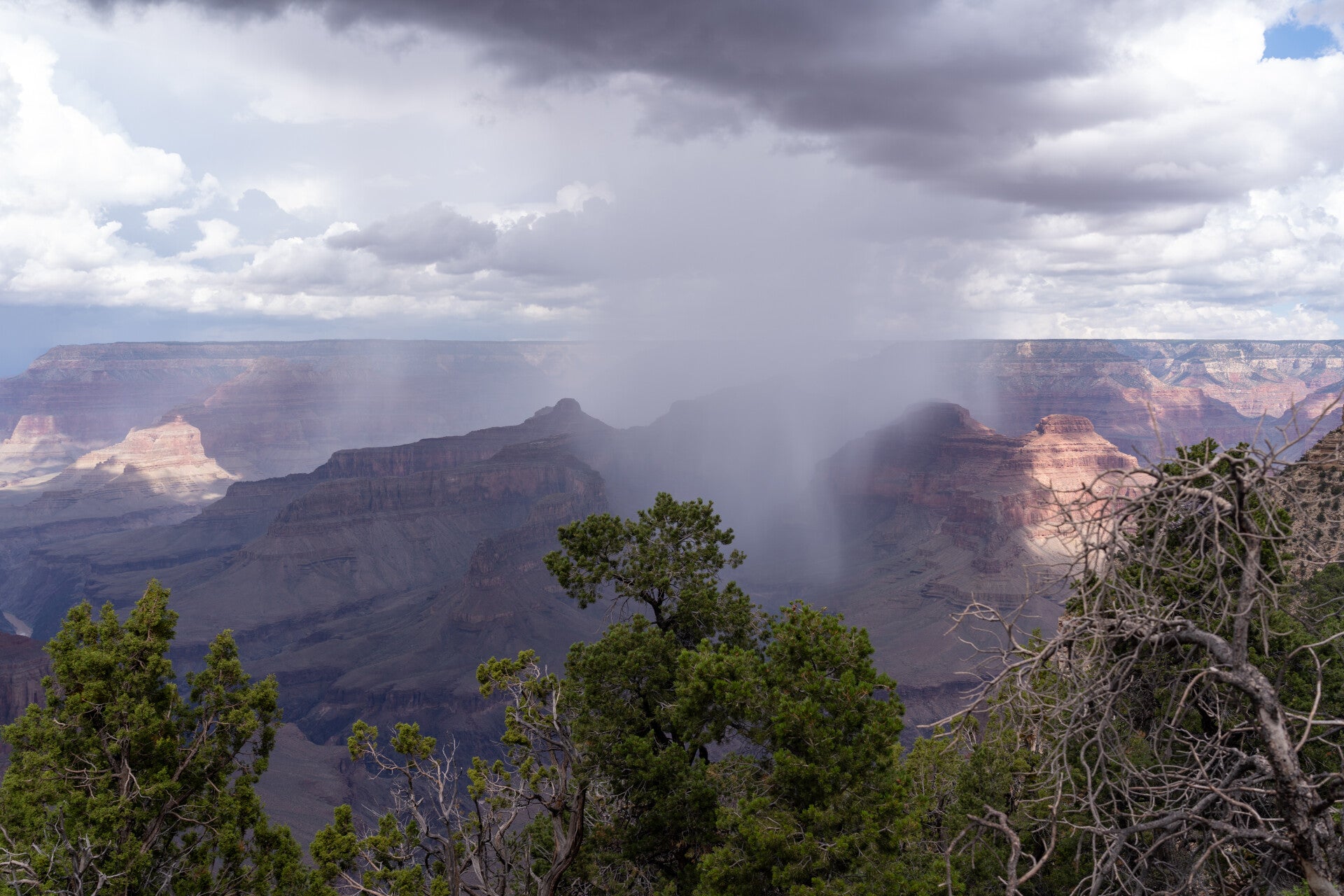
Grand Canyon
grand, vast
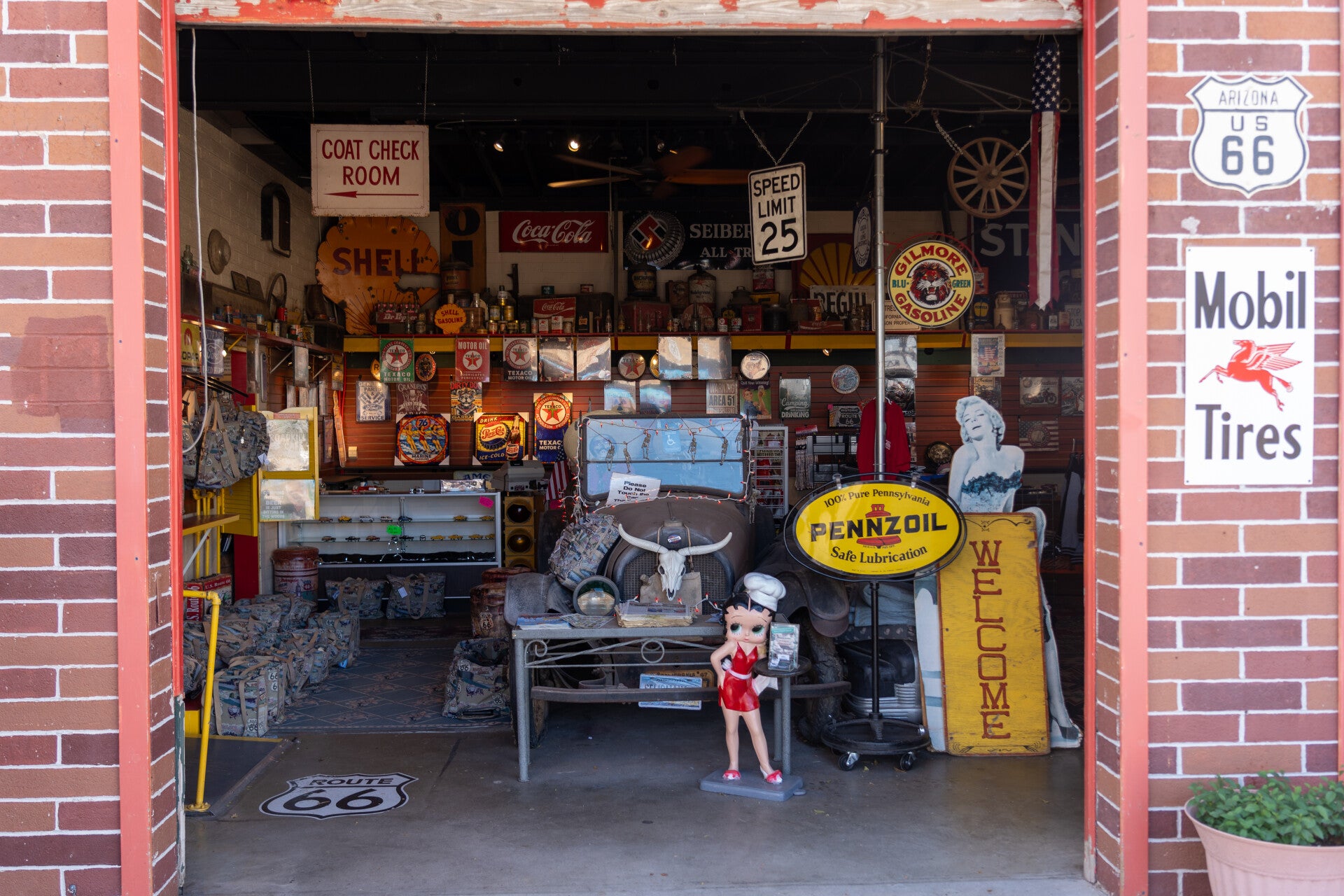
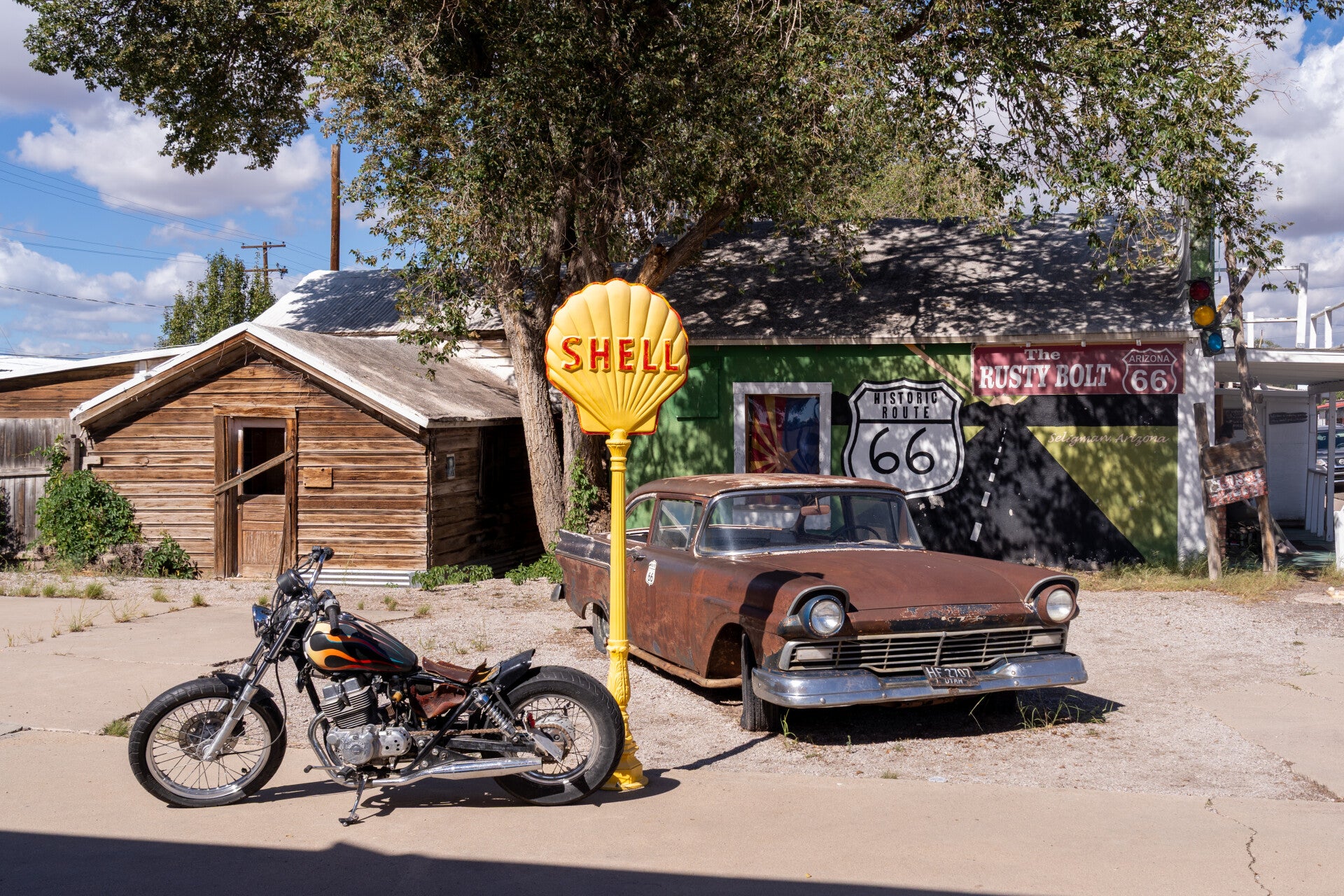
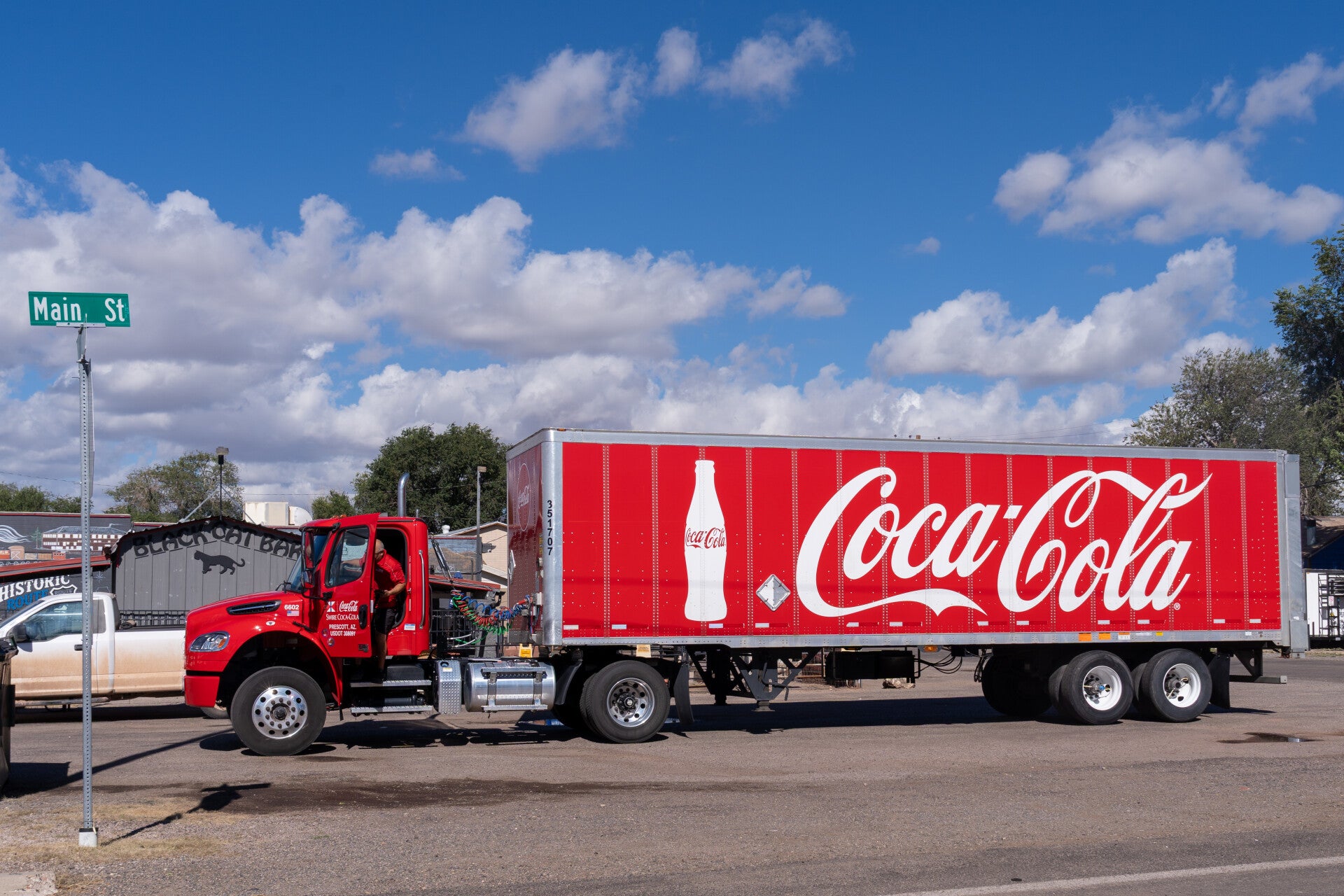
a stretch of Route 66
we return the car in Los Angeles
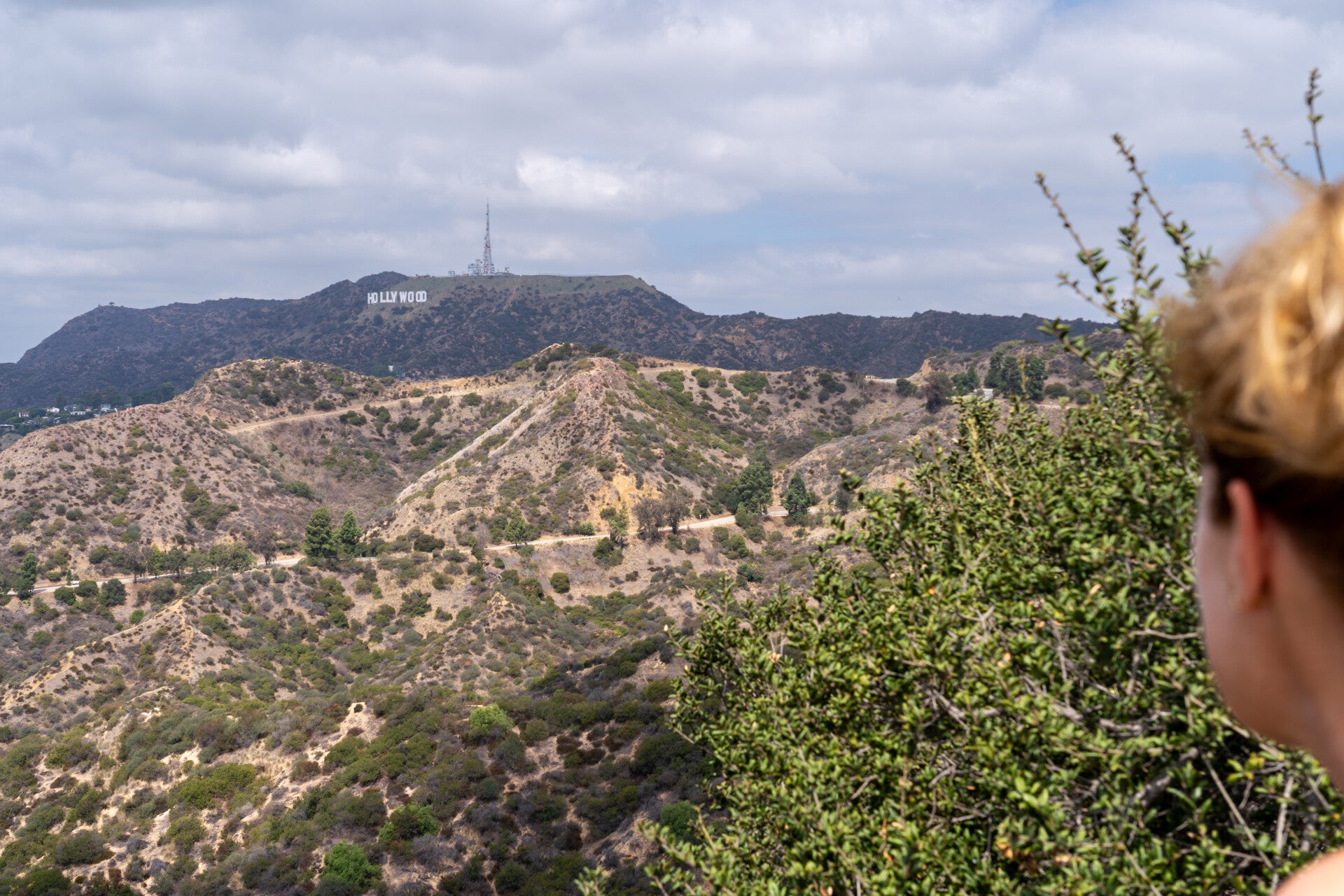
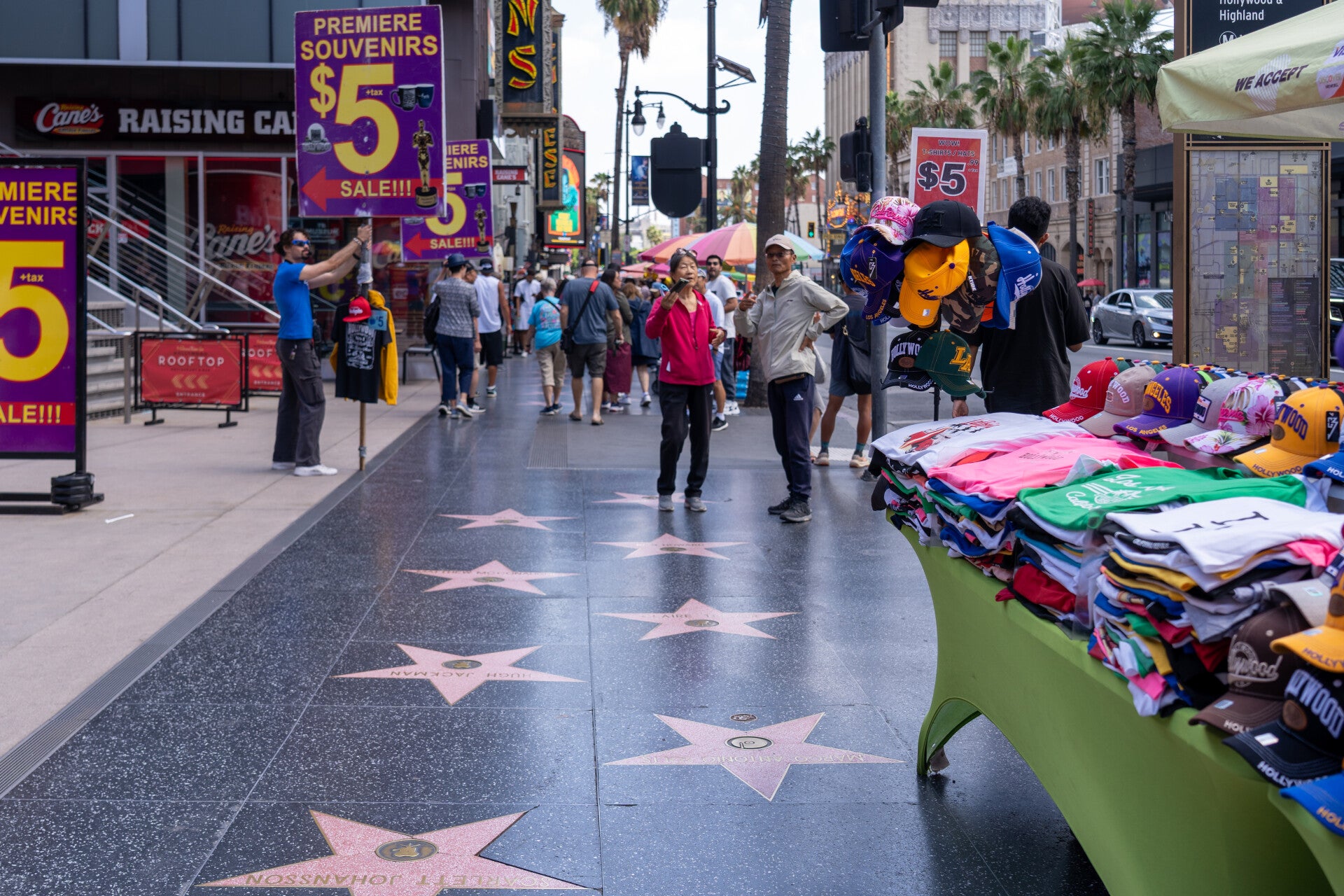
the walk of fame, HOLLYWOOD, Beverly Hills
we’re having an absolutely stunning road trip
breathtaking scenery







Thursday 23 July, Crescent City
It’s a 30-kilometre cycle to Grants Pass. The bus from Grants Pass to Crescent City leaves around two o’clock. So we can have a cup of coffee, take another dip in the pool and set off at a leisurely pace at half past nine. Even though we’re taking it easy, we’re ready to leave just after eight. At nine o’clock, I’m standing by the swimming pool in my swimming trunks. There, I’m told that a major clean-up is needed, so the pool won’t be opening any time soon. The man with a very big belly – his trousers held up by braces – slowly starts using an electric leaf blower to blow the pine needles that have fallen from the trees away from the pool. Well, this is going to take a while. I’m a bit disappointed and feel a bit silly having to slink off with my towel and swimming goggles. But we fill our water bottles and set off. Two elderly ladies pass us on their road bikes and greet us kindly. Soon we come to a cycle path. It winds through park-like surroundings, running parallel to the motorway. There are plenty of motorhome parks along the route again. After 20 kilometres, Wen gets smaller in my rear-view mirror. Even though it’s cooler, she’s still struggling. She’s having bouts of nausea again. We stop for a bite to eat and adjust our pace. That helps a bit. We have to cross the river via a large bridge and cycle along the main road past large villas with equally large gardens overlooking the river. We ride into Grants Pass, a town just as we’d expect, with an orthogonal street layout of streets and avenues. Industry and offices line the outskirts. As we head towards the centre, there are detached wooden houses and shops. We notice that we haven’t seen any homeless people yet. But that changes when we arrive at the bus station. In the shade of a tree, we have a quick snack. An ambulance arrives at the church building next to which we’re standing, with flashing lights and siren, and a little later a fire engine – the sort I remember from my childhood, the storybook about the five little firemen. Lots of people go inside and, moments later, a man is carried away right in front of us. It seems he’s having an epileptic fit. In front of the church building is a sign reading ‘free naloxone’. Naloxone is a drug that temporarily blocks the effects of certain drugs, allowing people who have overdosed to start breathing again after a few minutes. There’s a large plastic bag full of bits and bobs under the tree. I tell Wen I don’t like the spot, so we head across the road. A man approaches, who turns out to be the owner of the plastic bag. He searches for something in his bag but can’t find it. Cursing and spitting, he paces back and forth. Four more people arrive, carrying all their belongings in a weekend bag. They sit down in the shade on the church steps. I can still hear myself saying, ‘haven’t seen any homeless people’. It’s still an hour before the bus arrives, so we decide to look for a shop that sells spatulas to replace ours, which has been gnawed by squirrels. ChatGPT knows where to find one. Success! We slowly make our way back to the bus station. The bus arrives early. The driver informs us that the departure time listed online is incorrect and that we still have half an hour to go. But we can already load the luggage into the back of the coach and put the bikes at the front. The coach taking the other route is now here too. The lady driving the coach suggests that we’d best secure my bike with an elastic strap because the bike rack isn’t quite as secure as it used to be. Our driver comes over with a strap and is ready to get started. ‘No,’ says the woman, ‘he should do it.’ I reckon it’s because of the responsibility for the bikes and claims for damages. Using our four bungee cords, I secure my bike nicely upright. Whilst we’re waiting by the bus, a young girl from the group of homeless people emerges from the shade and approaches us, asking if we have any money for a drink. I find it an awkward situation and am not quite sure how to react; I say ‘no, thank you’, ignore her and strike up a conversation with Wen. Disappointed, she slinks away. Well, was that the right reaction? We’re the only passengers on the bus. The driver was a trauma surgeon until he was 73. But towards the end, the stress was really getting to him. He’s been a driver for three years now and drives this route five days a week, to keep fit, he says. He says I look like Bernhard Langer, a successful golfer. He doesn’t play golf; a round costs a few hundred dollars, you have to tip your caddie, and the ladies who come round with overpriced sandwiches and drinks want a tip too.He did cycle a great deal at a professional level; he had legs like a frog, he says. He introduced himself to his French girlfriend’s father, but the father didn’t look him in the eye – he looked at his legs. It’s a lovely ride along the Smith River. But you can see that a fire has raged here. ‘Last year,’ says the driver, ‘there was a massive fire. A bushfire can spread at up to 50 km/h. It’s very dangerous for the firefighters. There have been experiments with a sort of cocoon they could take shelter in, but they didn’t survive the heat. In Australia and Canada, they don’t use those things anymore because they don’t work.’ When an American starts talking, he rattles on delightfully with all sorts of entertaining stories. In Crescent City, we take our bikes off the rack and cycle to Katie’s, the Warm Showers host at the church. Katie opens the garage door and gives us a tour of the building next to the church, a spacious building with a professional kitchen and shower. We have to lock the doors carefully; there are people trying to get in. In front of the building, a homeless woman is sitting on the ground with all her belongings around her; she asks if we have a cigarette for her. Katie explains that she’s a bit confused. When I go to lock our bikes, I realise that the chain lock is still in the back of the van. The driver took the last few bags out of the back of the bus and forgot to lock it; we hadn’t thought of that either. I did go through the bus twice to check if anything was left behind, but I’d forgotten the luggage compartment. I’ve been trying all sorts of ways to get in touch with the coach company. It’s not working, but eventually we realise that the coach will probably be travelling back from its final destination to Grants Pass tomorrow morning, passing through Crescent City.
Friday 24 July Crescent City
I arrive at the bus stop on time, and yes, it’s the same bus – the lock is at the back. At the grocery shop, they have prices that make us happy; I pick up some bacon and sausage for lunch there. When I get back, there are four other people there besides Katie. Together, we’re going to put together 35 food parcels for the homeless. They do this twice a month. The parcels are handed out at the Mission Possible shower bus. The homeless can have a shower and are given food. The parcel consists of two rolls with a sachet of mustard and mayonnaise, two slices of meat with a slice of cheese in between, an apple, some snack vegetables, crisps, a small cake and a bottle of water. Everything is packed in plastic zip-lock bags with wooden cutlery. The bags are put in the fridge. They’ll be handed out next Tuesday. The volunteers leave and we get ready for a cycle round Crescent City. We cycle along the beautiful coastline, shrouded in mist. We strike up a conversation with a couple sitting in two garden chairs, gazing out to sea. I can hear the barking of seals; the man hands me his binoculars and I see a whole colony of seals lying on the island a few hundred metres off the coast. We cycle on slowly. But Wen starts feeling sick again, so she takes the short route home, whilst I finish the loop and pop into the shop on the way. When I get home, Wen has recovered and is having a lovely chat with Katie – well, actually, Katie is talking non-stop.
Reactie plaatsen
Reacties